Insulation Calculator: How Much Insulation Do You Really Need?
Whether you’re finishing a garage, renovating a basement, or upgrading your home’s thermal performance, calculating the right amount of insulation is critical. Too little insulation means energy waste and uncomfortable rooms. Too much, and you’ve overspent on a DIY project. An insulation calculator takes the guesswork out of this important decision by helping you determine exactly how much material you need based on your specific situation.
At DIY Calculator, we understand that home improvement projects require precision. That’s why we’ve built tools to help homeowners like you make informed decisions about insulation needs before you head to the hardware store.
Understanding R-Value and Insulation Needs
The first step in using an insulation calculator is understanding R-value. R-value measures insulation’s thermal resistance—the higher the number, the better the insulation performs. Different climates and home areas require different R-values:
- Attic: R-38 to R-60 depending on climate zone
- Walls: R-13 to R-21 for standard construction
- Basement: R-10 to R-19 for below-grade spaces
- Crawl spaces: R-13 to R-19
Your local climate zone significantly impacts these recommendations. If you’re in a cold climate, you’ll need higher R-values. Conversely, warmer regions may require less insulation. An insulation calculator accounts for your specific zip code or region to provide accurate recommendations.
Calculating Square Footage and Material Quantity
Once you know your target R-value, the next step is measuring the area you’re insulating. This is where many DIYers make costly mistakes. You need to account for:
- Length and width of walls, attics, or crawl spaces
- Obstructions like pipes, electrical boxes, or HVAC ducts
- Window and door openings that don’t need insulation
- The thickness of insulation material you’re installing
An insulation calculator automates these measurements, converting your square footage into the exact amount of insulation batts, rolls, or blown-in material needed. For example, if you’re insulating a 500-square-foot garage to R-19, the calculator instantly tells you how many rolls of fiberglass insulation to purchase.
This precision prevents waste and ensures you’re not making multiple trips to the store mid-project—a common frustration for DIY enthusiasts.
Choosing the Right Insulation Type
Different insulation materials have different coverage rates. Fiberglass batts, mineral wool, cellulose, foam boards, and spray foam all perform differently and cover different square footages per unit. Your insulation calculator should help you understand these differences:
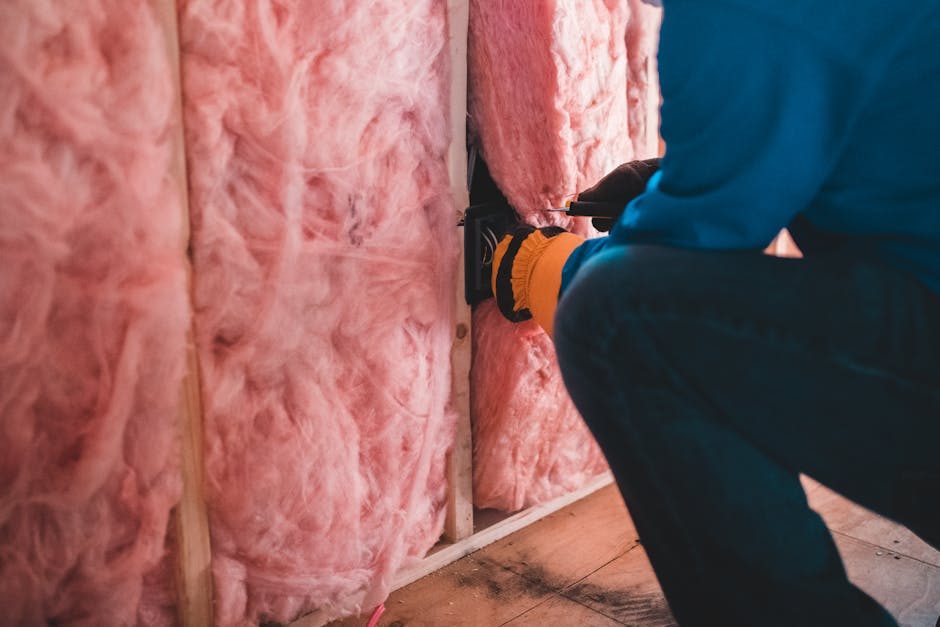
- Fiberglass batts: Affordable, easy to install, good for standard cavities
- Blown-in cellulose: Excellent for attics and irregular spaces
- Spray foam: Highest R-value per inch, best for air sealing
- Rigid foam boards: Ideal for basement walls and exterior applications
Once you’ve selected your insulation type, the calculator adjusts recommendations based on that material’s specific R-value per inch. This ensures you’re getting the right coverage regardless of which product you choose.
Budgeting for Your Insulation Project
An insulation calculator doesn’t just tell you how much material you need—it helps you budget accurately. By knowing the exact quantity required, you can compare prices across retailers and calculate your total project cost before purchasing anything. This transparency prevents budget overruns and helps you decide between premium and budget-friendly insulation options.
Whether you’re isolating a single room, upgrading your entire attic, or finishing a garage like those trending projects we see in the DIY community, accurate calculations are essential.
Conclusion
An insulation calculator is an invaluable tool for any home improvement project. By accounting for climate zone, R-value requirements, square footage, and material type, these calculators ensure you purchase exactly what you need—no more, no less. Start your next insulation project with confidence by using our calculator tools at DIY Calculator. Your wallet and your energy bills will thank you.
Ready to tackle your insulation project? Visit DIY Calculator today to get accurate material estimates for your specific needs.
- Fiberglass Insulation Batts & Rolls — Directly relevant to readers calculating insulation needs for DIY projects like garage finishing and basement renovation
- Thermal Imaging Camera — Helps homeowners identify insulation gaps and thermal performance issues after installation
- Spray Foam Insulation Kit — Alternative insulation method for DIYers upgrading thermal performance in hard-to-reach areas
Related: Attic Insulation Cost Overview
Related: Paint Calculator: Estimate Exactly How Much Paint You Need
Related: Insulation Calculator: R-Value, Coverage & Cost Guide
Related: Spray Foam vs Batt Insulation: Cost and Performance