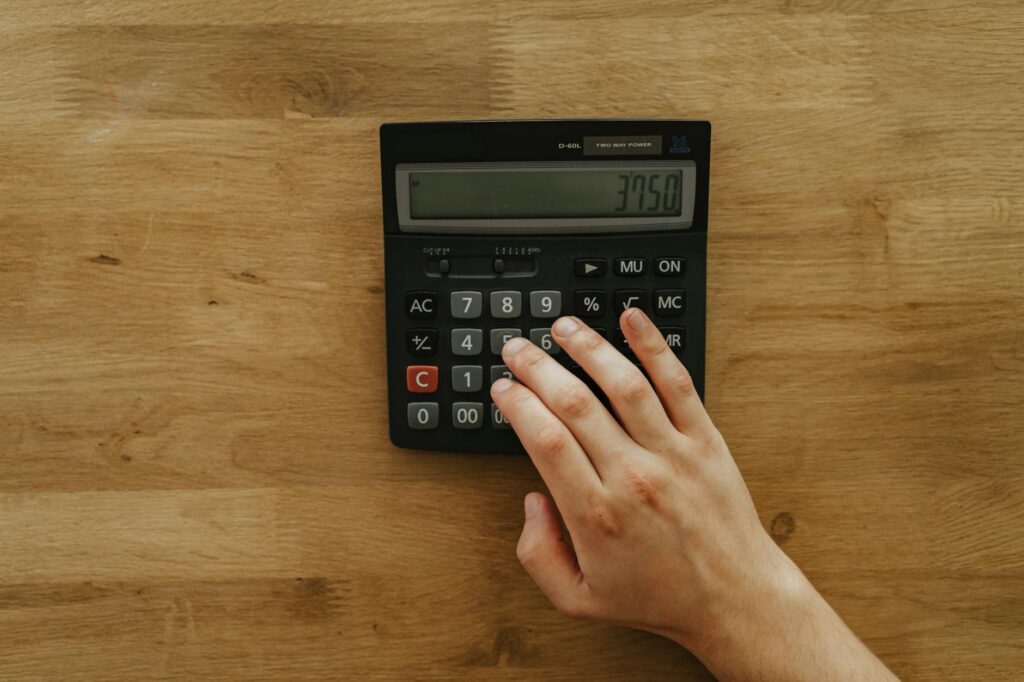
Whether you’re pouring a new driveway, building a patio, or creating a foundation for a garden shed, accurately calculating concrete requirements is essential to avoid costly mistakes and material waste. A concrete calculator takes the guesswork out of your project planning, helping you determine exactly how much concrete you need and what you’ll spend before breaking ground.
Concrete projects represent a significant investment in most DIY home improvement endeavors. The average concrete driveway costs between $4 to $8 per square foot, meaning a 500-square-foot driveway could run $2,000 to $4,000. Getting your material estimates wrong can either leave you scrambling for additional concrete mid-pour or stuck with expensive leftover material. This comprehensive guide walks you through everything you need to know about concrete calculators and how to use them effectively.
What Is a Concrete Calculator and Why You Need One
A concrete calculator is a tool that computes the volume of concrete required for your specific project based on dimensions and depth you provide. Rather than relying on rough estimates or complex mathematical formulas, a concrete calculator instantly converts your measurements into cubic yards or bags of concrete needed.
The primary benefit of using a concrete calculator is accuracy. Most DIYers underestimate material needs by 5 to 10 percent, leading to incomplete pours or expensive rush orders. A concrete calculator eliminates this problem by providing precise measurements. Additionally, concrete calculators help you compare costs across different project types and sizes, enabling better budget planning before you commit to purchasing materials.
Professional contractors use concrete calculators daily because they understand that material costs represent 40 to 60 percent of a concrete project’s total expense. By calculating correctly the first time, you avoid waste and potential project delays.
How to Measure Your Project for Concrete Calculations
Accurate measurements are the foundation of reliable concrete calculations. Before using any concrete calculator, you need precise dimensions of your project area.
For rectangular areas like driveways and patios, measure the length and width in feet, then measure the depth in inches. Standard concrete depths vary by project type: driveways typically need 4 inches, patios require 4 inches, walkways need 3 to 4 inches, and foundation work may require 6 to 8 inches. Always use a tape measure rather than estimating, as even small measurement errors compound over larger areas.
For irregularly shaped areas, divide the space into smaller rectangles, calculate each section separately, then add the totals together. For circular projects like concrete pads, you’ll need the diameter measurement. Most quality concrete calculators handle these irregular shapes with specific input fields for different project types.
Temperature and slope also matter for accurate ordering. Sloped surfaces for drainage may require depth adjustments, and in freezing climates, you might need deeper bases. Always add 10 percent to your final calculation as a safety buffer for spillage, measuring errors, and uneven ground conditions.
Understanding Concrete Calculator Results
Concrete calculators provide results in multiple measurement units because concrete is sold different ways depending on your location and supplier. Results typically show cubic yards, which is the standard measurement contractors use. One cubic yard equals 27 cubic feet and covers approximately 80 to 100 square feet at a 4-inch depth.
Most calculators also show the number of 50-pound or 80-pound concrete bags needed if you’re using pre-mixed bagged concrete. A typical 4-inch driveway 20 feet by 30 feet requires approximately 7.4 cubic yards, or roughly 500 bags of 80-pound concrete mix. This matters because bagged concrete costs $4 to $5 per 50-pound bag, making it suitable for small projects but cost-prohibitive for larger areas.
The calculator will also break down estimated material costs based on current local pricing. Ready-mix concrete typically costs $130 to $190 per cubic yard, while bagged concrete runs higher per unit but involves no delivery fees for small quantities. Understanding these different pricing models helps you make cost-effective decisions for your specific project size.
Types of Concrete Projects You Can Calculate
Modern concrete calculators handle numerous project types, each with specific depth and reinforcement considerations. Driveway projects are the most common, requiring 4 inches of concrete with proper slope for water drainage. A standard residential driveway measuring 20 feet wide by 50 feet long at 4 inches deep requires approximately 12.3 cubic yards of concrete.
Patio calculations follow similar depth requirements but often cover larger areas. A 20-foot by 20-foot patio at 4 inches deep needs about 4.9 cubic yards. Concrete sidewalks and walkways use less material due to narrower widths, typically 3 to 4 feet wide and 3 to 4 inches deep. A 50-foot walkway at 3 feet wide and 3 inches deep requires only 1.4 cubic yards.
Foundation and deck pad projects often require 6 to 8 inches of concrete for structural integrity. A 12-foot by 12-foot pad at 8 inches deep needs approximately 3.6 cubic yards. Stamped concrete, decorative overlays, and concrete countertops use identical volume calculations to standard concrete, though finishing materials and labor costs differ.
Cost Estimation and Budgeting
A reliable concrete calculator provides not just material quantities but also cost estimates. Total concrete project costs typically break down into three categories: materials, labor, and finishing. Material costs range widely based on concrete type and local market conditions.
For a 500-square-foot driveway at 4 inches deep requiring 6.2 cubic yards, material costs alone run $800 to $1,200 with ready-mix concrete. Add 10 percent ($80 to $120) for waste and contingency. If you’re using bagged concrete instead, expect to pay $1,200 to $1,500 for the same project, plus your labor to mix and pour.
Colored concrete, stamped patterns, sealing, and reinforcement materials increase costs by 15 to 50 percent. Professional installation typically adds $8 to $15 per square foot, but as a DIYer, you save this labor cost. However, specialized equipment rental for concrete finishing tools may cost $100 to $300 per day.
Your concrete calculator should help you compare different material options and project approaches. Using a calculator early in your planning phase lets you explore whether a smaller patio area, thinner base, or different finishing method might fit your budget better.
Frequently Asked Questions
How accurate are concrete calculators?
Professional-grade concrete calculators are accurate to within 5 percent when you provide precise measurements. The accuracy depends entirely on how carefully you measure your project area and depth. Always round up slightly to account for uneven ground, spillage, and measurement variations.
Can I use a concrete calculator for curved or complex shapes?
Most advanced concrete calculators handle curves and complex shapes through specialized input fields. If your calculator doesn’t offer these options, divide irregular areas into multiple rectangles, calculate each separately, and add the totals together for an accurate estimate.
What’s the difference between bagged and ready-mix concrete?
Bagged concrete costs more per unit but requires no delivery fees and works well for small projects under 1 cubic yard. Ready-mix concrete is more economical for larger projects but requires a delivery truck and must be poured immediately. A concrete calculator helps you determine which option costs less for your specific project size.
Should I add extra concrete to my calculation?
Yes, always add 10 percent to your final calculation for waste, uneven ground, spillage, and measurement errors. This safety margin prevents running short mid-pour, which is both expensive and problematic since new concrete won’t bond properly to partially cured concrete.
Do I need reinforcement like rebar or wire mesh?
Reinforcement requirements depend on your project type and local building codes. Driveways and patios benefit from wire mesh or 4×4 rebar spacing for crack control. A concrete calculator won’t determine reinforcement needs, but your local building department or a ready-mix supplier can advise based on your project specifications.
Conclusion
A concrete calculator is an indispensable tool for DIY home improvement projects, transforming vague project ideas into precise material lists and budget estimates. Whether you’re building a new driveway, patio, or foundation, accurate concrete calculations save time, money, and frustration during the construction phase.
The key to successful concrete projects starts with careful measurements and using a reliable calculator to convert those dimensions into material requirements. By understanding concrete measurements, pricing structures, and project-specific needs, you can confidently move forward with your DIY concrete work knowing exactly what materials you need and what costs to expect.
Use Our Free DIY Calculator
Stop guessing about your concrete needs. Head to our free DIY calculator on diycalculator.net to instantly calculate cubic yards needed, bagged concrete quantities, and estimated material costs for your specific project. Enter your dimensions, select your project type, and receive instant results showing dollar amounts, material quantities, and cost comparisons between ready-mix and bagged options. Get accurate estimates in seconds and start your concrete project with confidence today.
- Concrete Mix (80 lb bags) — Essential material for DIY concrete projects; directly supports the post's focus on concrete pouring for driveways, patios, and foundations
- Digital Concrete Measuring Scale — Helps users accurately measure and mix concrete components, complementing the calculator's precision theme for avoiding material waste
- Concrete Finishing Tool Set — Complete toolkit for smoothing and finishing concrete surfaces after pouring, essential for achieving professional results on DIY driveways and patios
Related: Flooring Calculator: Estimate Materials & Costs Easily
Related: Fence Calculator: How to Estimate Posts, Panels, and Costs
Related: How to Use a Concrete Calculator to Estimate Your Project Cost and Materials
Related: Tile Calculator: Estimate Tiles & Costs for Any Room
Related: Fence Calculator: Estimate Materials & Costs Before You Build
Related: Concrete Calculator: The Complete Guide to Calculating Material Needs and Project Costs