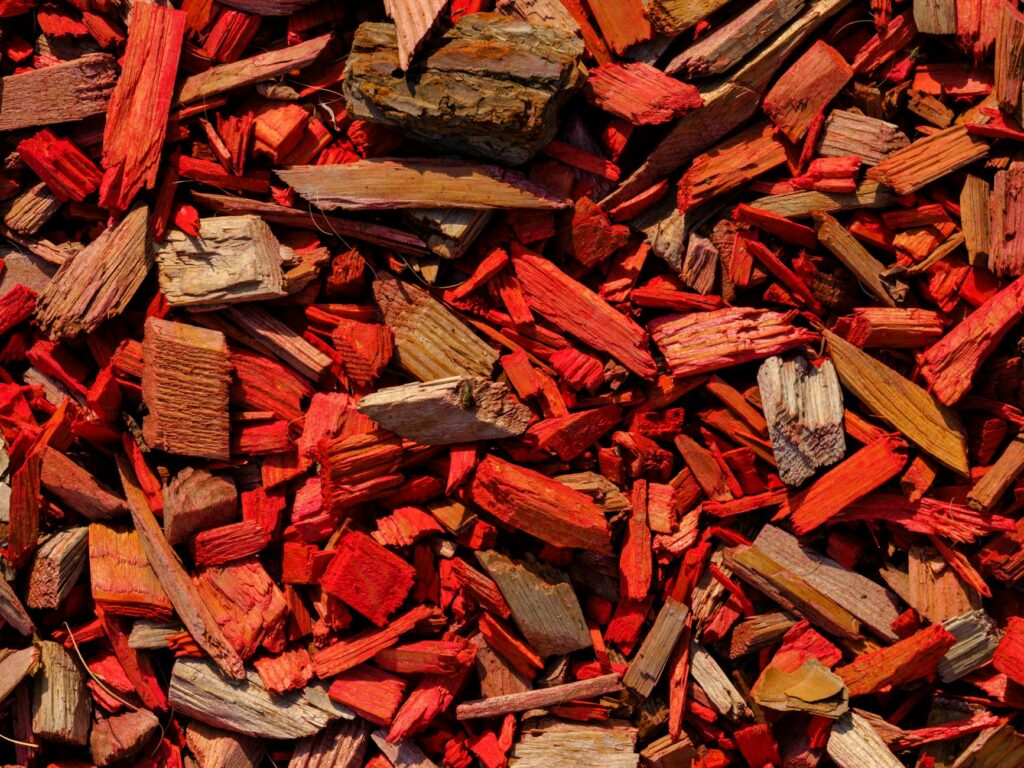
Planning a landscaping project but unsure how much mulch you actually need? A mulch calculator takes the guesswork out of one of the most common DIY home improvement tasks. Whether you’re refreshing a flower bed, protecting tree roots, or enhancing your yard’s curb appeal, calculating the correct mulch quantity saves both money and frustration.
This comprehensive guide walks you through everything you need to know about mulch calculators, including how they work, why accuracy matters, and how to use the results for your next project.
What Is a Mulch Calculator?
A mulch calculator is a tool designed to determine the exact amount of mulch needed to cover a specific landscape area. By inputting simple measurements—like the length and width of your garden bed and your desired mulch depth—the calculator automatically computes the volume of mulch required in cubic yards, cubic feet, or bags.
Most mulch calculators work by using the basic formula: Length × Width × Depth = Volume. For example, if your garden bed measures 10 feet long by 4 feet wide and you want a 3-inch layer of mulch, the calculator determines you need approximately 1 cubic yard of mulch. Without a calculator, homeowners often overestimate or underestimate their needs, leading to wasted money or incomplete coverage.
Quality calculators also factor in conversions between measurements and can estimate total costs based on local mulch pricing, helping you budget accurately before making a purchase.
Why Mulch Depth Matters for Your Calculation
One of the most critical factors in mulch calculator accuracy is depth. The recommended mulch depth depends on your specific landscaping goals and plant types. Most landscape professionals recommend a depth between 2 and 4 inches for general purposes.
For flower beds and shrubs, a 3-inch layer provides excellent weed suppression and moisture retention without suffocating plant roots. For newly planted trees, aim for 2 to 3 inches of mulch spread in a circle around the base, keeping it a few inches away from the trunk. For pathways and decorative areas, you can go deeper—up to 4 inches—for visual impact and durability.
Using your mulch calculator with the correct depth prevents costly mistakes. A half-inch difference across a large area translates to significant volume changes. For instance, a 100-square-foot bed at 2 inches requires roughly 0.6 cubic yards, while the same bed at 3.5 inches needs 1 cubic yard—a 67% increase in material and expense.
How to Measure Your Garden Bed for Accurate Results
Accurate measurements are the foundation of reliable mulch calculator results. Follow these steps to measure your landscape area correctly:
Step 1: Break irregular shapes into rectangles. If your garden bed isn’t a perfect rectangle, divide it into smaller rectangular sections. Calculate each section separately, then add the totals together.
Step 2: Measure length and width in feet. Use a tape measure to find the longest and widest points of each section. Round to the nearest foot or half-foot for easier calculation. For a curved bed, measure the approximate rectangular footprint it occupies.
Step 3: Decide on mulch depth. Consider your plants, climate, and landscaping goals. Write down your target depth in inches (typically 2-4 inches).
Step 4: Input into the calculator. Once you have length, width, and depth, enter these values into your mulch calculator. The tool instantly converts your measurements into cubic yards or bags needed.
Step 5: Add 10% buffer. Order approximately 10% extra mulch to account for settling, uneven terrain, and measurement variations. If your calculator shows 5 cubic yards, order 5.5 cubic yards.
Mulch Costs and Budgeting with Calculator Results
Mulch pricing varies significantly based on type, quality, and your location. Understanding cost ranges helps you budget effectively once your calculator provides volume requirements.
Bulk mulch (delivered by the cubic yard) typically costs between $25 and $55 per cubic yard, depending on whether you choose basic wood chips, premium hardwood mulch, or specialty options like rubber or bark. A 5-cubic-yard delivery might range from $125 to $275 before delivery fees.
Bagged mulch costs more per unit but works well for smaller projects. Expect to pay $3 to $8 per bag, with most bags containing 2 cubic feet. A cubic yard equals 13.5 bags, so 5 cubic yards would require approximately 68 bags costing $204 to $544 in mulch alone.
Your mulch calculator output helps you compare these options. If you need 3 cubic yards, bulk delivery at $35 per yard ($105 total) beats purchasing 40 bags at $6 each ($240 total). However, for jobs under 2 cubic yards, bags often provide better convenience despite higher per-unit costs.
Always factor in delivery fees for bulk orders—these range from $0 to $100 depending on distance and supplier.
Different Types of Mulch and Coverage Variations
While mulch calculators primarily measure volume, the type of mulch you choose affects both appearance and performance. Most calculators work with any mulch type, but understanding differences helps you make informed decisions.
Hardwood mulch is the most popular choice, offering excellent color retention and longevity. It costs $25-$40 per cubic yard and lasts 2-3 years before needing replacement.
Softwood mulch or wood chips are budget-friendly at $15-$25 per cubic yard but decompose faster, requiring yearly top-ups.
Cypress and cedar mulch provide natural pest-repellent properties and attractive appearance at $40-$60 per cubic yard.
Recycled rubber mulch lasts 8-10 years and costs $30-$50 per cubic yard, though it’s less suitable near edible plants.
Regardless of type, your calculator’s volume measurements remain the same. The mulch depth recommendations apply universally across materials, making your calculator results adaptable to any mulch choice.
Frequently Asked Questions
How many bags of mulch equal one cubic yard?
One cubic yard contains approximately 13.5 bags of mulch, with each standard bag holding 2 cubic feet. If you’re purchasing bagged mulch, multiply your calculator’s cubic yard result by 13.5 to determine the number of bags needed. For a 2-cubic-yard project, you’d need roughly 27 bags.
Can I use a mulch calculator for non-rectangular spaces?
Yes, absolutely. Divide irregular shapes (curves, circles, or triangles) into smaller rectangular sections. Measure each section separately and input the calculations individually, then add the results together. A circular flower bed around a tree trunk, for example, can be approximated as a rectangle for calculator purposes.
What’s the difference between cubic yards and square feet in mulch calculations?
Square feet measures area (length × width), while cubic yards measures volume (length × width × depth). Mulch calculators convert your square footage and depth measurement into cubic yards because mulch is sold by volume. A 100-square-foot bed at 3-inch depth equals approximately 0.93 cubic yards, which is what you’ll order or purchase.
How often do I need to replace mulch after calculating coverage?
Standard wood-based mulch lasts 2-3 years before decomposing significantly and requiring top-up applications. Hardwood mulch lasts longer than softwood, while rubber and specialty mulches can last 5-10 years. Plan to recalculate and refresh mulch every 2-3 years for optimal appearance and weed suppression.
Should I include measurements under trees and shrubs in my mulch calculation?
Include the ground area around the base of established trees and shrubs, but keep mulch 2-3 inches away from tree trunks and plant stems to prevent rot and pest issues. Your calculator measures the total bed area, but you’ll manually adjust around individual plants during application.
Conclusion
A mulch calculator eliminates the uncertainty from landscape planning and helps you purchase exactly what you need—no more, no less. By accurately measuring your garden beds, selecting an appropriate mulch depth, and using a reliable calculator, you’ll arrive at precise volume requirements that translate directly to material and cost savings.
The combination of correct measurements, proper depth selection, and calculator precision ensures your landscaping project succeeds on budget and on schedule. Whether you’re a first-time DIYer or an experienced homeowner, these tools simplify one of the most common yard improvement tasks.
Use Our Free Mulch Calculator
Ready to determine exactly how much mulch your project needs? Head to our free DIY calculator at diycalculator.net and input your garden bed measurements to instantly receive cubic yardage results and cost estimates based on current local pricing. Within seconds, you’ll know precisely what to order, how many bags you need, and what you’ll spend—giving you the confidence to move forward with your landscaping project today.
- Landscape Fabric and Mulch Installation Kit — Complements mulch projects by providing the foundational materials needed before applying mulch coverage
- Garden Edging and Borders — Essential for defining mulched areas and preventing mulch migration, directly supporting the landscaping projects discussed
- Mulch Wheelbarrow and Garden Tools Set — Practical tools needed for transporting and spreading mulch, making the DIY project execution easier and more efficient
Related: How to Use a Mulch Calculator: Complete Guide to Estimate Mulch Coverage and Cost
Related: How to Use a Mulch Calculator: Complete Guide for DIY Landscaping Projects
Related: Landscape Fabric Under Mulch: Coverage & Staple Calculator