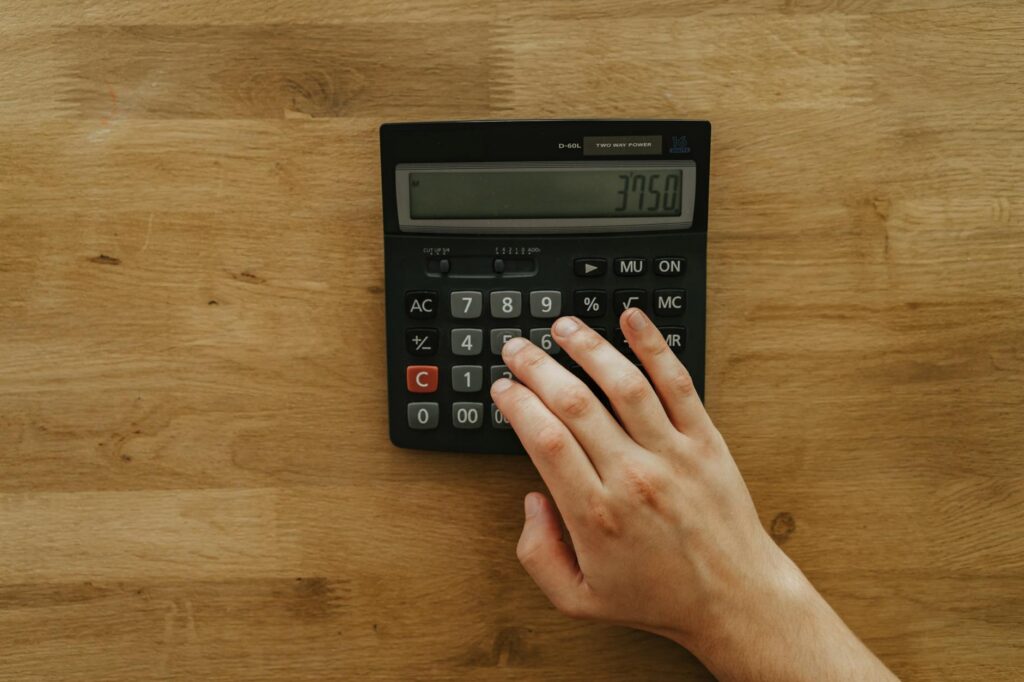
Whether you’re planning a kitchen renovation, building a deck, or tackling a bathroom remodel, one of the biggest challenges homeowners face is figuring out exactly how much time, materials, and money they’ll need. This is where a DIY calculator becomes invaluable. A DIY calculator is a digital tool designed to help you estimate costs, quantities, and labor time for home improvement projects—saving you from costly mistakes and budget overruns.
In this comprehensive guide, we’ll explore everything you need to know about DIY calculators, how they work, why they matter, and how to use them effectively for your next project.
What Is a DIY Calculator and Why Do You Need One?
A DIY calculator is a specialized tool that takes the guesswork out of home improvement planning. Unlike basic calculators that only perform arithmetic, DIY calculators are purpose-built for homeowners and contractors to estimate project requirements with accuracy. They consider factors like room dimensions, material costs, labor intensity, and regional pricing variations.
The average homeowner loses 15-30% of their project budget to miscalculations and unexpected expenses. A reliable DIY calculator can help you avoid these pitfalls. By inputting basic information about your project—such as square footage, material types, and your location—these tools provide instant estimates for material quantities, labor hours, and total project costs.
Whether you’re a complete beginner attempting your first project or an experienced DIYer tackling something new, a DIY calculator serves as your digital assistant, ensuring you purchase the right amount of materials and understand realistic timelines before you break ground.
Common Types of DIY Calculators Available
DIY calculators come in many forms, each designed for specific project categories. Understanding the different types helps you find the right tool for your needs.
Flooring Calculators help you determine how much hardwood, laminate, tile, or carpet you need. They account for waste factors (typically 10-15% extra) and calculate costs based on square footage. For example, a 400 square-foot room renovation might require 440-460 square feet of material when accounting for cuts and mistakes.
Paint Calculators estimate gallons needed based on room dimensions and wall height. A typical gallon of paint covers 300-400 square feet, and most rooms require two coats. A 12×14 foot bedroom with 8-foot ceilings typically needs 1.5 to 2 gallons of paint.
Tile and Grout Calculators determine tile quantities, grout amounts, and adhesive needed for bathrooms, kitchens, and backsplashes. These are crucial because tile waste can run 15-20% depending on pattern complexity and cuts.
Lumber and Framing Calculators estimate board feet, stud requirements, and material costs for decks, sheds, and framing projects. A typical deck project costs $8-15 per square foot in materials alone.
Drywall and Insulation Calculators calculate sheets needed, joint compound, tape, and insulation requirements for walls and ceilings, factoring in standard sheet sizes of 4×8 or 4×12 feet.
Roofing and Siding Calculators estimate shingles, underlayment, and labor for exterior projects, accounting for roof pitch and waste factors specific to your climate and material type.
Key Features That Make a DIY Calculator Effective
Not all DIY calculators are created equal. The best ones include several essential features that improve accuracy and usability.
Accurate Waste Factor Calculations: Quality calculators automatically add 10-20% to your estimates to account for cuts, mistakes, and material damage. This prevents the frustration of running short mid-project.
Regional Cost Adjustments: Material prices vary significantly by location. A sheet of drywall costs more in rural Alaska than in Texas. Sophisticated DIY calculators adjust their cost estimates based on your zip code or region.
Multiple Material Options: The best calculators let you choose specific products or grades. A flooring calculator, for instance, should allow you to compare costs between budget laminate ($2-4 per square foot) and premium hardwood ($6-12 per square foot).
Labor Hour Estimates: Experienced calculators provide realistic labor time estimates, helping you decide whether to hire professionals or DIY. A typical bathroom remodel requires 200-300 labor hours; an experienced DIYer might need 400-600.
Detailed Material Breakdowns: Instead of just a total cost, effective calculators itemize every material needed, quantities, and per-unit costs. This makes shopping and budget tracking much easier.
Mobile Accessibility: The best DIY calculators work on smartphones and tablets, allowing you to check estimates while standing in the home improvement store or at your project site.
How to Use a DIY Calculator for Accurate Project Planning
Using a DIY calculator effectively requires accurate input and understanding what the outputs mean. Here’s a step-by-step approach:
Step 1: Measure Your Space Carefully. Use a tape measure, not estimates. Measure length, width, and height for rooms or surfaces. Round up slightly rather than down to avoid shortages. A 12-foot, 8-inch wall should be entered as 13 feet for material ordering purposes.
Step 2: Know Your Material Preferences. Decide on specific products before using the calculator. Are you installing luxury vinyl plank ($3-5 per square foot) or ceramic tile ($5-15 per square foot)? The calculator needs this information for accurate cost estimates.
Step 3: Input Your Location. Enter your zip code or region so the calculator adjusts for local material and labor costs. Material prices fluctuate seasonally and geographically.
Step 4: Review the Detailed Breakdown. Don’t just look at the final number. Examine the itemized list to understand what materials comprise the estimate. Question any assumptions the calculator makes and adjust if needed.
Step 5: Add a Contingency Buffer. Even with built-in waste factors, add an extra 5-10% to your budget for unexpected issues like hidden damage, material price increases, or changes in scope.
DIY Calculator Benefits for Different Homeowner Experience Levels
Beginners benefit enormously from DIY calculators because they eliminate the learning curve of material estimation. A first-time tile installer might not know that grout shrinks and requires extra coverage, but a quality calculator accounts for this. Beginning DIYers can confidently order materials without the fear of significant waste or shortage.
Experienced DIYers use calculators to speed up the estimation process and compare material options quickly. Instead of spending 30 minutes calculating lumber for a deck project, an experienced builder can input dimensions and instantly see costs for pressure-treated, composite, and cedar options.
Contractors and flippers use professional-grade DIY calculators to generate consistent estimates and provide clients with detailed project breakdowns. These tools improve business efficiency and client trust.
Frequently Asked Questions
How accurate are DIY calculators?
Quality DIY calculators are typically accurate within 5-10% when you provide correct measurements and material specifications. The accuracy depends on the complexity of your project, the quality of the calculator, and whether you account for special circumstances like sloped ceilings or unusual layouts. Always verify calculations with in-store consultants before purchasing large material orders.
Do DIY calculators account for different room shapes?
Most standard DIY calculators work best for rectangular rooms. If your space has irregular shapes, alcoves, or angled ceilings, break the area into rectangular sections and calculate each separately. Some advanced calculators have options for more complex shapes, but you may need to do additional math.
Should I buy extra materials beyond what the calculator recommends?
Yes, adding 5-10% to your calculated total is wise. While calculators include waste factors, unexpected issues—like discovering rotted subflooring under old carpet—can require extra materials. Purchasing 10-15% more than the minimum is standard industry practice and provides peace of mind.
Can DIY calculators help me decide between hiring professionals and doing it myself?
Absolutely. By comparing material costs to labor hour estimates, you can determine if professional hiring makes financial sense. If a project requires 300 labor hours and professionals charge $50 per hour, labor costs $15,000. If you value your time at $25 per hour, DIY might make financial sense despite taking longer.
Are online DIY calculators free?
Most quality DIY calculators are free to use, supported by advertising or affiliate links to material suppliers. Some retailers offer proprietary calculators exclusively for their customers. Free calculators are typically just as accurate as paid versions, though paid options sometimes offer additional features or specialized project types.
Conclusion
A DIY calculator is an essential tool for anyone undertaking home improvement projects. Whether you’re painting a bedroom, installing tile, building a deck, or renovating a kitchen, these digital tools save time, money, and frustration by providing accurate material estimates, cost breakdowns, and labor time projections. By understanding how to use a DIY calculator effectively and choosing one that includes waste factors, regional adjustments, and detailed material lists, you’ll approach your project with confidence and a realistic budget.
The investment in using a quality calculator before your project begins pays dividends in avoided mistakes, reduced waste, and successful completion within your budget.
Use Our Free DIY Calculator
Ready to get accurate estimates for your next home improvement project? Head to our free DIY calculator at diycalculator.net to instantly generate detailed material lists, cost breakdowns by item
- Construction Calculator — Essential tool for DIY projects to calculate measurements, materials, and costs accurately
- Digital Measuring Tape — Complements calculator use by providing precise measurements needed for project planning and material estimation
- Home Renovation Planning Software/App — Integrates with calculators to help homeowners budget and plan kitchen, bathroom, and deck projects comprehensively
Related: The Complete Guide to DIY Calculators: Plan Your Home Projects Accurately
Related: The Complete Guide to DIY Calculators: Save Time and Money on Home Improvement Projects