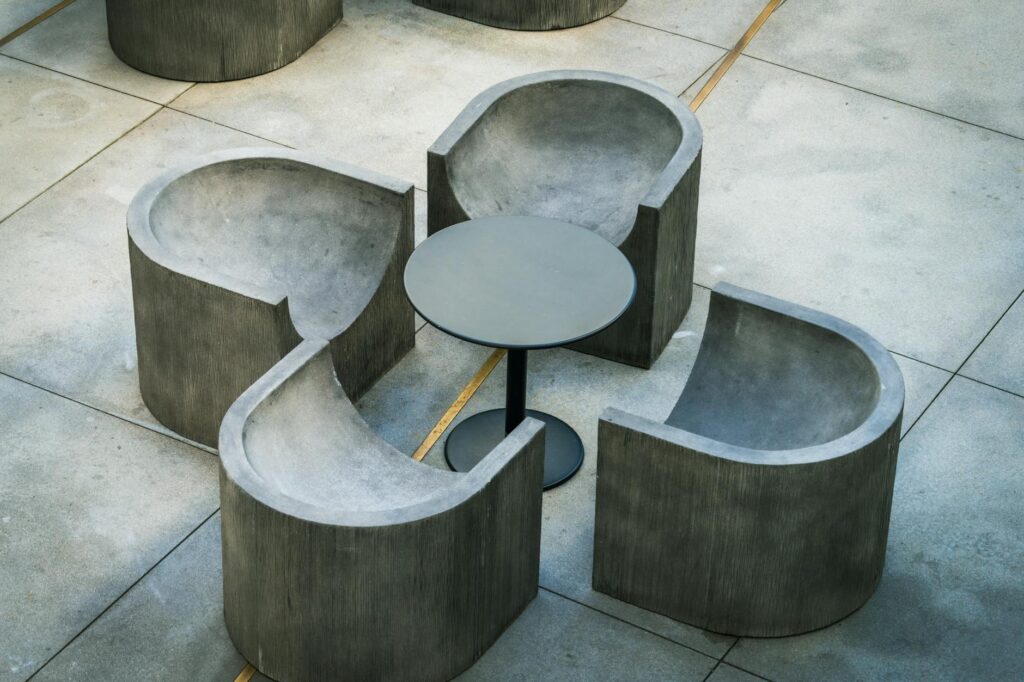
Concrete Patio Cost Guide: DIY vs Contractor
A concrete patio typically costs between $1,500 and $5,000 for DIY projects, while hiring a contractor ranges from $3,000 to $8,000+ depending on size and finish. The main savings come from labor costs when you tackle the project yourself, though you’ll need to invest time, materials, and rental equipment. Understanding both options helps you make an informed decision that fits your budget, skills, and timeline.
DIY Concrete Patio Costs Breakdown
When you pour your own concrete patio, material expenses are your primary cost. A basic 12×14 foot patio (about 168 square feet) requires approximately 6 cubic yards of concrete, costing $600 to $900 delivered. Beyond concrete, you’ll need:
- Gravel base: $50-$100 for proper drainage
- Lumber for forms: $100-$150
- Reinforcement mesh or rebar: $75-$150
- Concrete sealer: $50-$100 for protection
- Tools and supplies: $100-$200 (shovels, wheelbarrows, brooms)
- Equipment rental: $100-$300 for concrete mixer or power tools
Your total DIY material cost lands around $1,500 to $3,000 for an average patio. However, this assumes you already own basic hand tools. The biggest variables are concrete delivery fees (smaller projects pay premium per-yard rates) and whether you need equipment rental.
The time commitment typically ranges from 2 to 5 days, depending on your experience level and patio complexity. First-time concrete workers should budget extra time for setup, curing between steps, and learning proper finishing techniques. Don’t rush the process—concrete needs proper curing time to reach full strength.
Professional Contractor Pricing Analysis
Professional contractors handle concrete patios at $8 to $15 per square foot, putting a 168-square-foot patio between $1,344 and $2,520 just for labor and basic finishing. Total project costs typically range from $3,000 to $8,000 because contractors include several services DIYers must self-manage:
- Site preparation and assessment: Proper grading ensures water drainage away from your home
- Specialized equipment: Professional-grade mixers, screeds, and finishing tools
- Quality materials: Premium concrete blends optimized for your climate
- Warranty coverage: Most contractors guarantee their work for 1-3 years
- Permits and inspections: Some jurisdictions require professional installation
Premium finishes like stamped concrete, decorative colors, or exposed aggregate add $2 to $5 per square foot to contractor pricing. A stamped patio that costs $3,000 for basic concrete might reach $5,000 or $6,000 with decorative options.
Contractors also absorb material waste and mistakes within their pricing. When you go DIY, any material damage or miscalculation comes directly from your pocket. Professional crews work efficiently, completing most patios in 1 to 3 days, with curing time handled during the normal timeline.
Key Factors Affecting Your Total Cost
Several variables significantly impact whether DIY or contractor pricing better suits your situation:
Patio size matters tremendously. Small patios (under 100 square feet) have concrete delivery minimums that make DIY expensive per square foot. Large patios (over 400 square feet) benefit from bulk concrete pricing, improving DIY economics. Contractors handle size variations more efficiently through established supplier relationships.
Site preparation complexity is where DIY costs explode. If your yard needs significant grading, existing concrete removal, or drainage corrections, contractors’ specialized equipment and expertise justify their prices. A simple, level yard is ideal for DIY work; sloped terrain or contaminated soil suggests hiring professionals.
Finish quality determines long-term value. A basic broom finish costs least but shows wear quickly. Sealed concrete lasts 10-15 years; unsealed concrete may crack within 5 years in freeze-thaw climates. Contractors apply sealers with professional equipment; DIY application requires careful attention and multiple coats.
Your skill level and available time are honest factors. Concrete work has a steep learning curve. Poor finishing leads to cracks, uneven surfaces, and premature deterioration. If this is your first patio, expect learning costs in material waste.
Local labor rates vary dramatically by region. Contractors in urban areas charge 20-30% more than rural areas. Similarly, concrete delivery costs are higher in remote locations, potentially narrowing the DIY savings advantage.
How to Use the Calculator
Estimating your exact project costs is essential before deciding between DIY and contractor work. Our concrete calculator helps you determine precise material quantities and costs for your specific patio dimensions. Input your length, width, and desired thickness, and the calculator provides exact cubic yardage, which you can multiply by your local concrete prices to get accurate material costs.
Start by measuring your patio space carefully, then use the calculator to understand material requirements. This gives you concrete costs for your area, making it easier to compare with contractor quotes. Many contractors will ask for your dimensions and provide quotes without visiting—the calculator helps you evaluate those quotes intelligently.
Frequently Asked Questions
Is it worth doing a concrete patio myself?
DIY concrete patios make financial sense if you have basic carpentry skills, access to equipment rental, and patience for learning. You’ll save 40-50% of total cost on labor. However, if you value your time at more than $15-20 per hour, contractor pricing becomes competitive. Consider DIY for simple, level patios under 200 square feet where your mistakes won’t create drainage problems affecting your home’s foundation.
How long does a concrete patio last?
Well-installed concrete patios last 25-30 years in moderate climates and 15-20 years in freeze-thaw regions where salt and ice cause deterioration. Both DIY and professionally installed patios achieve this lifespan if properly sealed and maintained. Unsealed concrete deteriorates 30% faster. The quality of finishing and sealing matters more than who installed it.
What’s the biggest mistake DIY concrete patio builders make?
Inadequate preparation is the most common error. Skipping proper gravel base installation, ignoring drainage slope, or failing to compact the subgrade causes settling, cracking, and water pooling. These problems appear months or years later, when fixing costs more than starting over. Contractors understand why each preparation step matters; DIYers sometimes view them as optional.
- Concrete Mixer (Electric Portable) — Essential equipment for DIY concrete patio projects; directly addresses the DIY cost-saving approach mentioned in the post
- Concrete Finishing Tools Set — Necessary tools for achieving professional-quality finishes on DIY concrete patios; helps readers achieve better results without contractor costs
- Safety Equipment Bundle (Gloves, Masks, Goggles) — Critical protective gear for DIY concrete work; ensures reader safety while tackling their own patio project