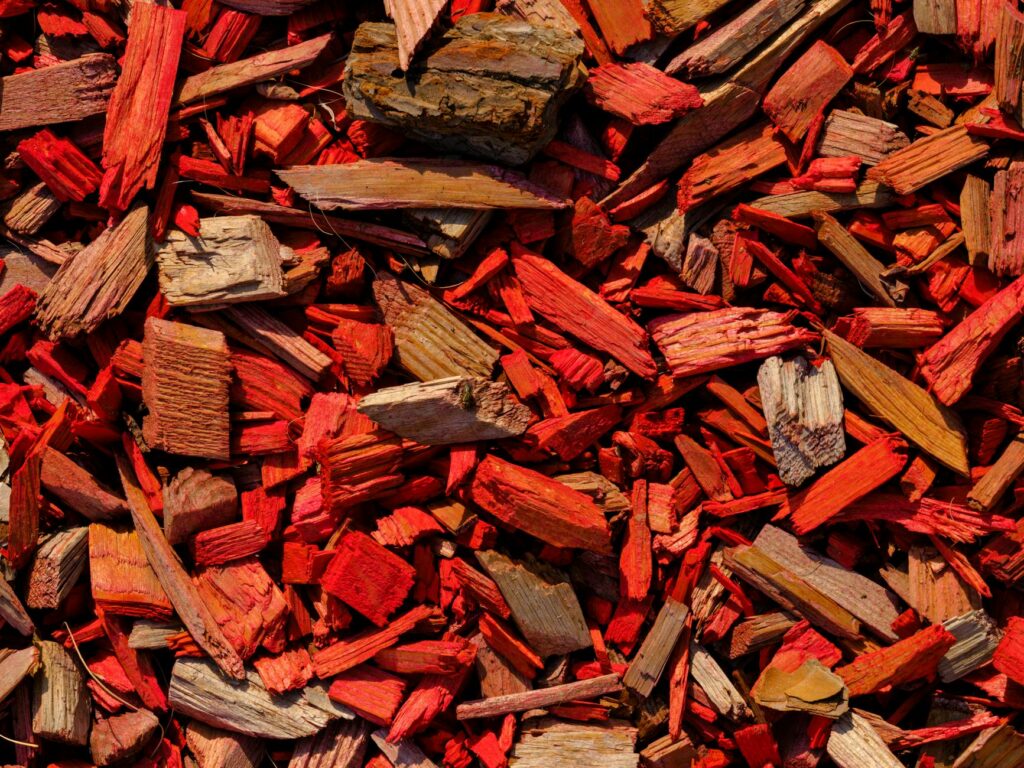
Mulch Calculator: The Complete Guide to Calculating Mulch Needs for Your Landscaping Project

mulch calculator - Mulch Calculator: The Complete Guide to Calculating Mulch Needs for Your Landscaping Project

Mulch Calculator: The Complete Guide to Calculating Mulch Needs for Your Landscaping Project

Whether you’re planning a small flower bed refresh or a complete landscape overhaul, knowing exactly how much mulch you need is essential for staying on budget and achieving professional results. A mulch calculator takes the guesswork out of one of the most common DIY landscaping tasks, helping you determine the precise amount of mulch required for any project. This comprehensive guide walks you through everything you need to know about using a mulch calculator, why accurate measurements matter, and how to get the best value for your mulch investment.

What Is a Mulch Calculator and Why Do You Need One?

A mulch calculator is a simple tool that computes the volume of mulch needed for your landscaping beds based on three key measurements: length, width, and desired depth. Instead of eyeballing your garden beds or making costly overestimation errors, a mulch calculator provides exact cubic yards or cubic feet of mulch required. This matters because mulch is typically sold by the cubic yard, with prices ranging from $25 to $60 per yard depending on mulch type and your location. Ordering too much wastes money and storage space, while ordering too little means multiple trips to the garden center or additional shipping costs.

Homeowners and landscaping professionals alike rely on mulch calculators to streamline the planning process. The tool eliminates math errors and ensures consistent depth across all landscape beds, which is crucial for proper plant health and aesthetics. A uniform 2 to 4-inch mulch layer moderates soil temperature, retains moisture, suppresses weeds, and creates a polished finished appearance. Using a mulch calculator guarantees you’ll achieve these benefits across your entire project without expensive mistakes.

How to Measure Your Landscape Beds for Accurate Calculations

Before using any mulch calculator, you’ll need three accurate measurements: the total length, width, and your target mulch depth. Start by measuring the length and width of each landscape bed in feet. For irregularly shaped beds, break them into sections (rectangles, triangles, or circles) and measure each section separately. A 25 or 50-foot measuring tape works best for this task, and taking measurements twice ensures accuracy.

Next, decide on your mulch depth. Most landscaping professionals recommend a depth of 2 to 3 inches for established beds and 3 to 4 inches for new installations or weed-prone areas. Keep in mind that mulch settles and decomposes over time, so you may need to add more annually. For a 2-inch depth, you’ll need approximately 0.67 cubic yards per 100 square feet; for 4 inches, you’ll need about 1.23 cubic yards per 100 square feet. These ratios make the mulch calculator’s job straightforward once you input your measurements.

If you’re working with multiple beds of different sizes, calculate the square footage for each one separately, then add them together. A 20-foot by 10-foot bed with 3-inch mulch depth, for example, requires roughly 1.85 cubic yards of mulch. Recording these numbers before opening your mulch calculator prevents re-measuring and saves time.

Types of Mulch and How They Affect Your Calculations

While a mulch calculator’s volume calculations remain consistent regardless of mulch type, the material you choose significantly impacts cost, appearance, and longevity. Hardwood mulch is the most popular choice for general landscaping, costing $30 to $50 per cubic yard and lasting 1 to 2 years. Softwood mulch is more budget-friendly at $20 to $35 per yard but decomposes faster. Cedar or cypress mulch offers natural insect-repelling properties and costs $40 to $60 per yard with a lifespan of 2 to 3 years.

Colored mulch, treated to retain vibrant hues, typically costs 10 to 20 percent more than natural mulch but maintains its appearance longer. Rubber mulch, made from recycled tires, is playground-safe and extremely durable, lasting 8 to 10 years, though it costs $50 to $80 per yard. Straw and compost-based mulches are excellent for vegetable gardens and cost $15 to $40 per yard. Once you’ve selected your mulch type using our free DIY calculator, you can multiply the required cubic yards by the per-yard price to get an accurate cost estimate for your entire project.

Step-by-Step Guide to Using a Mulch Calculator

Using a mulch calculator is straightforward, even if you’ve never used one before. First, gather your measurements: total square footage of all landscape beds and your desired mulch depth in inches. Open the calculator and select your unit preference (feet, inches, or yards). Enter your square footage and depth, then click calculate. Within seconds, the tool displays the required volume in cubic yards and cubic feet.

For example, if you have 400 square feet of landscape beds and want a 3-inch mulch depth, the calculator will show that you need approximately 3.7 cubic yards of mulch. If that mulch costs $40 per yard, your total material cost would be approximately $148, plus any delivery fees from your landscape supplier. This instant breakdown helps you decide whether to proceed, adjust your project size, or explore more budget-friendly mulch options.

Many advanced mulch calculators also account for waste and settling, adding 5 to 10 percent to your base calculation. This buffer prevents the frustration of running short halfway through your project. Some calculators break down costs by mulch type, helping you compare expenses between cedar, hardwood, and colored varieties instantly.

Common Mistakes to Avoid When Calculating Mulch

One frequent error is forgetting to account for the space occupied by plants, rocks, or hardscape features within your beds. If your 200-square-foot bed contains a 4-foot by 4-foot shed foundation or large established shrubs, subtract that footage before calculating. This adjustment prevents ordering excess mulch and wastes resources.

Another mistake is underestimating mulch depth. While 2 inches seems adequate, shallow mulch layers settle quickly and fail to suppress weeds effectively. Plan for at least 3 inches in most situations. Similarly, many homeowners underestimate their project’s total square footage by measuring only the visible bed outlines without accounting for expansion areas or future planting zones.

Don’t ignore delivery costs. Mulch is heavy, and a single cubic yard weighs 400 to 600 pounds depending on type. Delivery fees from landscaping suppliers can range from $30 to $100 or more, significantly impacting your final budget. Always confirm whether quoted prices include delivery or are pick-up only before finalizing your order.

Frequently Asked Questions

How much does mulch typically cost per cubic yard?

Standard hardwood mulch costs between $30 and $50 per cubic yard, while premium varieties like cedar or colored mulch range from $40 to $80 per yard. Budget-friendly options like softwood or straw mulch start around $15 to $35 per yard. Your final cost depends on mulch type, local availability, and whether delivery is included.

Can I use a mulch calculator for circular or irregular-shaped beds?

Yes, but you’ll need to break irregular shapes into manageable sections first. For circular beds, measure the diameter and use the circle area formula (3.14 × radius squared) to calculate square footage. Most advanced mulch calculators include options for multiple shapes or custom area inputs to accommodate non-rectangular beds.

How often do I need to add more mulch after the initial application?

Most mulch decomposes and settles 25 to 50 percent within the first year, requiring a top-up application annually or every other year depending on mulch type and climate. Cedar and cypress mulch last longer (2 to 3 years), while softwood mulch may need refreshing yearly. Rubber mulch is an exception, lasting 8 to 10 years with minimal maintenance.

What’s the ideal mulch depth for weed suppression?

A 3 to 4-inch depth is optimal for weed suppression in most landscapes. This thickness blocks sunlight from reaching weed seeds while still allowing water and air to penetrate the soil. Shallower 2-inch applications work for established beds with minimal weed pressure but are less effective in new plantings or historically problematic areas.

Should I remove old mulch before applying new mulch?

You don’t need to remove all old mulch, but raking and breaking up compacted layers helps new mulch integrate properly. If old mulch has begun to decompose into a dense, water-resistant mat, removing half of it and replacing it with fresh material is wise. This prevents fungal growth and ensures even moisture distribution throughout the bed.

Conclusion

A mulch calculator is an indispensable tool for any homeowner tackling landscape bed projects. By accurately calculating mulch volume before purchasing, you save money, time, and frustration while ensuring professional results. Whether you’re applying a single layer to a small flower bed or refreshing multiple landscape areas around your home, accurate measurements and proper calculations lead to better outcomes and happier gardens. The investment of five minutes with a mulch calculator prevents costly ordering mistakes and sets your project up for success from day one.

Use Our Free DIY Calculator

Stop guessing about mulch quantities and costs. Head to diycalculator.net and try our free mulch calculator today to instantly discover exactly how many cubic yards you need, your total material cost based on mulch type, and even delivery fee estimates. Input your bed dimensions and desired depth, and receive precise results with cost breakdowns by mulch variety—all in seconds. Get your project right the first time and start shopping with confidence.

Leave a Comment

Your email address will not be published. Required fields are marked *

DIY Project Assistant
Powered by AI · Free
···
Scroll to Top