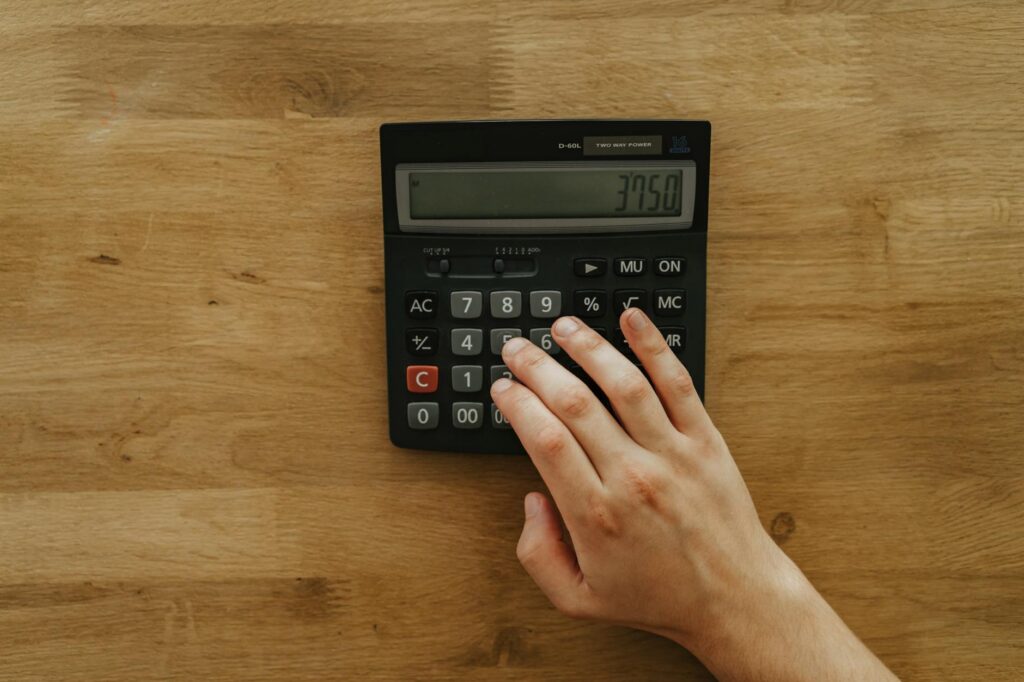
Whether you’re planning to renovate your kitchen, install new flooring, build a deck, or tackle any other home improvement project, one of the most critical steps is accurate cost estimation and material calculation. A DIY calculator is an essential tool that helps homeowners determine exactly how much material they need, how much a project will cost, and how long it will take to complete. This comprehensive guide explores everything you need to know about DIY calculators and how they can transform your home improvement experience.
What Is a DIY Calculator and Why You Need One
A DIY calculator is a specialized tool designed to help homeowners quickly compute measurements, quantities, costs, and materials needed for home improvement projects. Instead of manually calculating square footage, multiplying dimensions, or estimating lumber quantities, these calculators automate the process and provide instant, accurate results. Whether you’re a first-time renovator or an experienced DIYer, using a calculator prevents costly mistakes that could result in purchasing too much or too little material, wasting both time and money.
The average homeowner loses between 10% and 20% of materials to waste during DIY projects due to miscalculation. By using a reliable DIY calculator, you can reduce waste, stay within budget, and complete your project more efficiently. These tools account for factors like standard material dimensions, waste percentages, and local pricing variations that manual calculations often miss.
Types of DIY Calculators Available
Modern DIY calculators cover nearly every home improvement scenario. Here are the most common types:
Flooring Calculators determine how many tiles, square feet of laminate, or boxes of hardwood flooring you need. They account for grout lines, waste, and different room shapes. For example, a 200-square-foot bathroom might require 220 square feet of material when accounting for cuts and waste.
Paint Calculators estimate gallons of paint needed based on room dimensions and the number of coats. A typical bedroom (12×14 feet with 8-foot ceilings) usually requires 1 to 1.5 gallons of paint for two coats, though this varies by paint type and surface condition.
Lumber and Framing Calculators help you determine the quantity of 2x4s, plywood, or other materials needed for decks, sheds, or framing projects. These are crucial since lumber is sold by board feet, and miscalculations can mean expensive return trips to the supplier.
Roofing Calculators compute the number of shingles, underlayment, and nails needed based on roof pitch and square footage. A typical 2,000-square-foot roof requires approximately 21 squares (2,100 square feet) of material to account for overlaps and waste.
Concrete and Masonry Calculators calculate cubic yards of concrete needed for driveways, patios, or foundations. These are especially important since concrete is sold by the cubic yard, and each yard costs $150 to $200 in most regions.
Landscaping Calculators estimate mulch, gravel, soil, or seed needed for garden beds and lawns based on length, width, and depth specifications.
How to Use a DIY Calculator Effectively
Using a DIY calculator is straightforward, but following these steps ensures accuracy:
Step 1: Measure Accurately — Take precise measurements of your space using a tape measure. Round up rather than down to ensure you have enough material. Measure multiple times if the space has irregular dimensions.
Step 2: Input Dimensions Carefully — Enter length, width, and height measurements exactly as the calculator prompts. Some calculators ask for square footage directly, while others ask for individual dimensions.
Step 3: Account for Waste — Most quality DIY calculators automatically add a waste percentage (typically 10% to 15%), but verify this is included. Complex layouts or difficult cuts may require higher waste estimates.
Step 4: Review the Results — Check that the output makes sense. For a 300-square-foot room needing tile, expecting 330-340 square feet of material is reasonable; 600 would signal an error.
Step 5: Get a Price Quote — Use local material pricing or supply chain information to determine total costs. Material prices vary by region and supplier, so comparing quotes from multiple vendors ensures you get the best value.
Benefits of Using DIY Calculators for Your Projects
Beyond basic material estimation, DIY calculators offer numerous advantages. They save time by eliminating manual calculations that could take 30 minutes or more for complex projects. They provide consistency—the same calculator applied to the same project by different people produces identical results, removing human error. They build confidence, especially for beginners tackling their first major renovation, by providing certainty about material quantities and costs before purchasing anything.
Most importantly, DIY calculators help you create accurate budgets. When you know you need exactly 45 square feet of backsplash tile and each box covers 10 square feet, you can confidently purchase 5 boxes instead of guessing. This prevents budget overruns and the frustration of unexpected additional expenses. Many homeowners report saving $300 to $800 on a single project through better material planning.
Common DIY Calculator Mistakes to Avoid
Even with a helpful tool, mistakes happen. Never forget to account for waste—using the exact measurement without adding waste buffer leads to running short mid-project. Don’t ignore material dimensions; tiles aren’t all 12×12 inches, and lumber has standard lengths you must factor in. Avoid inputting approximate measurements; a room that’s “about 15 feet” is different from 15 feet 4 inches, and that difference compounds across large areas.
Don’t assume local pricing matches online estimates. Material costs fluctuate seasonally and by location—tile in urban areas may cost 20% more than in rural regions. Finally, don’t overlook additional materials like grout, adhesive, fasteners, or primer that the calculator might not include but your project requires.
Frequently Asked Questions
What is the most useful DIY calculator for beginners?
Paint and flooring calculators are ideal for beginners because they’re straightforward and apply to common first projects. These calculators typically require only basic measurements and provide clear results showing exactly how many gallons or boxes you need, making them forgiving and confidence-building for new DIYers.
Do DIY calculators account for different tile sizes?
Most advanced DIY calculators allow you to input tile dimensions, which then calculates grout lines and layout patterns automatically. However, simpler calculators may provide estimates based on standard sizes, so you should verify your specific tile dimensions match the calculator’s assumptions before relying on results.
How accurate are online DIY calculators?
High-quality DIY calculators are typically 95% to 99% accurate when you input correct measurements. The remaining margin of error comes from variations in waste percentages, installation methods, and material losses. Always add a small buffer (5% to 10%) of extra material to your calculated amount for safety.
Can DIY calculators help me estimate labor costs?
Most material-focused DIY calculators don’t include labor estimates, as costs vary dramatically by region, contractor experience, and project complexity. However, some comprehensive calculators provide rough hourly labor estimates ($50 to $150 per hour for skilled tradespeople) that you can multiply by estimated project hours for a ballpark figure.
Should I buy extra material beyond what the calculator recommends?
Yes, purchasing an additional 5% to 10% beyond the calculator’s recommendation is smart insurance. This accounts for unexpected breakage, miscutting during installation, and future repairs or touch-ups. For a $500 flooring material order, an extra $25-50 investment prevents costly delays if you run short.
Conclusion
A DIY calculator is an invaluable resource that transforms home improvement planning from guesswork into precision. Whether you’re painting a bedroom, tiling a bathroom, pouring concrete, or building an outdoor structure, these tools eliminate calculation errors, save money, and boost your confidence. By understanding how to use them correctly and avoiding common mistakes, you’ll complete projects on time and on budget while reducing waste and frustration.
Use Our Free DIY Calculator
Ready to start your next home improvement project with confidence? Head to our free DIY calculator at diycalculator.net to instantly determine material quantities, costs, and waste estimates for your specific project. Whether you’re calculating paint needed for your living room, flooring for a kitchen renovation, or lumber for a deck project, our calculators provide exact dollar amounts and material lists you can take straight to the supplier. Stop guessing and start building today—try diycalculator.net right now and see how much time and money you’ll save on your next DIY project.
- Construction Calculator - Calculated Industries 4065 — Direct match for DIY home improvement projects - dedicated construction calculator for material estimation, measurements, and cost calculations
- Digital Laser Measure with Bluetooth — Essential companion tool for DIY calculators - precise measurements needed for accurate material calculations in home renovation projects
- Home Depot Gift Card — Natural follow-up after calculating material needs - readers can immediately purchase materials they've estimated for their DIY projects
Related: Essential DIY Tools and Apps: Digital Calculators That Simplify Home Improvement Planning
Related: The Complete Guide to Using DIY Calculators for Home Projects: Save Money and Avoid Costly Mistakes