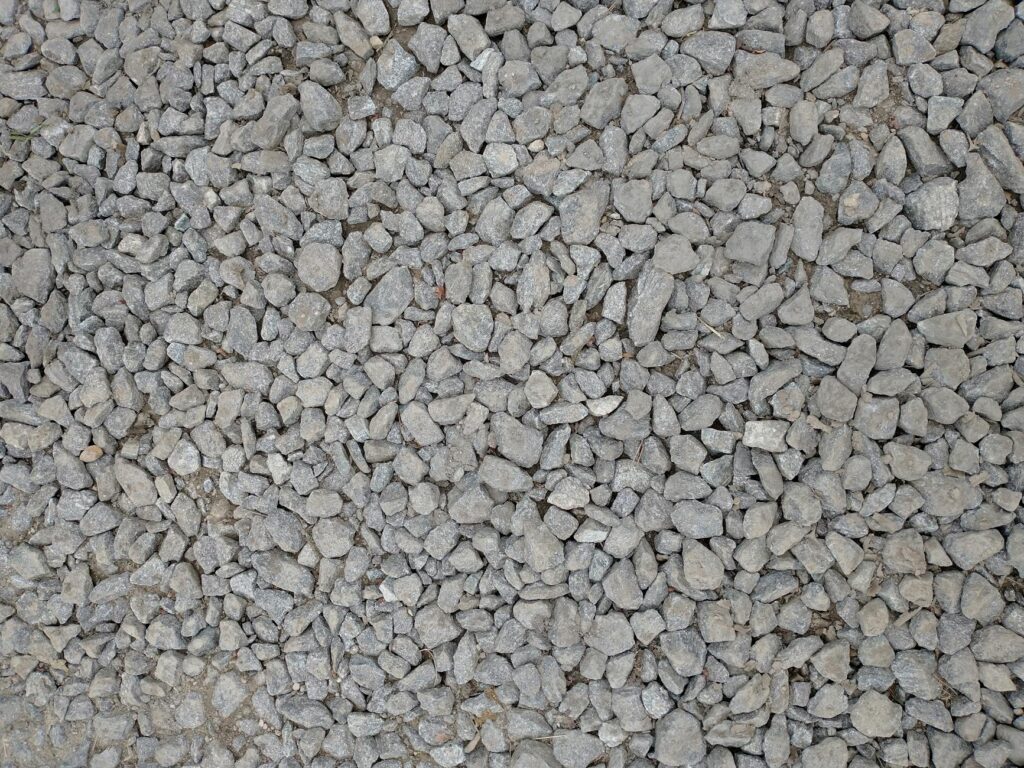
Ordering the correct amount of gravel is essential to completing any landscaping or driveway project without waste or shortage. Using a gravel calculator takes the guesswork out of measurements and helps you determine exactly how many tons or cubic yards you need. This guide walks you through the process of calculating gravel requirements and making confident purchasing decisions.
Why Accurate Gravel Calculations Matter
Ordering too little gravel means extra trips to the supplier and project delays. Ordering too much results in wasted money and leftover material cluttering your yard. Both scenarios cost time and money that could be avoided with proper calculation.
Professional landscapers and contractors depend on accurate gravel measurements because they directly impact project budgets and timelines. For homeowners tackling DIY projects, getting the math right means better results and fewer headaches during execution.
The density of gravel varies by type—crushed stone weighs differently than pea gravel, which differs from marble chips. Soil conditions, base preparation, and compaction rates also affect how much material you actually need. A quality calculator accounts for these variables, helping you order with confidence.
Accurate ordering also improves your project’s longevity. When you use the correct depth and amount of gravel, drainage improves, settling is minimized, and maintenance becomes easier down the road.
Understanding Gravel Types and Weights
Different gravel materials have different densities, which means they weigh different amounts per cubic yard or ton. Understanding these differences is crucial before placing your order.
Crushed Stone and Granite: These angular materials compact well and are ideal for driveways and base layers. Crushed stone typically weighs 1.5 tons per cubic yard. The angular shape allows pieces to lock together, creating a more stable surface that resists shifting.
Pea Gravel: Popular for decorative landscaping and children’s play areas, pea gravel weighs approximately 1.4 tons per cubic yard. The smooth, rounded stones are comfortable underfoot but don’t compact as tightly as crushed stone, so you may need slightly deeper layers for stability.
Jersey Shore Gravel: A mix of shells and stone, this material weighs around 1.2 tons per cubic yard and works well for decorative purposes. It’s lighter than other options, which matters if you’re working with weight restrictions.
River Rock: These large, smooth stones are primarily decorative and weigh approximately 1.6 tons per cubic yard. River rock moves more easily than crushed stone, so it’s best used in areas with minimal foot traffic.
When you’re ready to order, confirm the specific weight per cubic yard with your supplier, as local materials may vary slightly. Most gravel suppliers can convert your cubic yard needs into tons, which is the typical unit for delivery billing.
Measuring Your Project Area Accurately
Before using any calculator, you need precise measurements of the area you’re covering. Take time to measure carefully—this is where many DIY projects go wrong.
For Square or Rectangular Areas: Measure the length and width in feet. Multiply these two numbers together to get square footage. For example, a driveway that’s 20 feet long and 10 feet wide equals 200 square feet.
For Irregular Shapes: Break the area into smaller rectangles or triangles. Measure each section, calculate the square footage for each, then add them together. A curved driveway entrance? Measure it as multiple rectangles to approximate the curved sections.
Depth Considerations: Standard gravel depth ranges from 2 to 4 inches for most residential applications. Driveways typically need 4 inches of crushed stone for proper stability and drainage. Decorative landscape beds work well with 2-3 inches. Pathways can use 2 inches if the soil underneath is compacted.
Sketch your project on paper while measuring. Mark dimensions and any obstacles like tree roots, existing landscape features, or drainage areas. This sketch becomes your reference when using the calculator and discussing your project with suppliers.
How to Use the Gravel Calculator
Using a gravel calculator streamlines the entire process. Here’s the typical workflow:
Step 1: Enter Your Measurements Input the length and width of your project area in feet. Most calculators accept both whole numbers and decimals for precision.
Step 2: Select Your Depth Choose your desired gravel depth in inches. The calculator will instantly show you how this affects your total material needs.
Step 3: Choose Your Gravel Type Select the specific type of gravel you’re using. The calculator adjusts for material density automatically, giving you accurate tonnage.
Step 4: Review Your Results The calculator displays results in both cubic yards and tons. Take note of both measurements—some suppliers quote in one unit, others in the other.
Step 5: Add a Buffer Consider adding 5-10% extra material to account for settling, compaction, and any measurement imprecision. This small overage prevents the frustration of coming up short.
Most calculators also help you understand the cost implications of different depths and materials, allowing you to make budget-conscious decisions before contacting suppliers.
Frequently Asked Questions
How much does gravel cost per ton?
Gravel pricing varies by location, material type, and supplier, but typically ranges from $15 to $75 per ton. Crushed stone and granite tend to be more affordable than decorative options. Delivery fees add extra cost, especially for smaller orders. Always get quotes from multiple suppliers in your area for the best pricing.
Should I add landscape fabric under gravel?
Landscape fabric is highly recommended, especially for decorative gravel beds. It prevents weeds from growing up through the gravel, reduces gravel migration into soil, and makes gravel removal easier if needed later. For driveways, a gravel base layer sits on compacted soil, then landscape fabric goes between the base and decorative top layer.
How often do I need to add more gravel?
With proper installation and maintenance, a well-compacted gravel driveway lasts 3-4 years before needing significant refreshing. Decorative beds may need topping up annually, depending on traffic and weather. Regular raking and maintenance extend gravel life by redistributing settled material and addressing bare spots promptly.