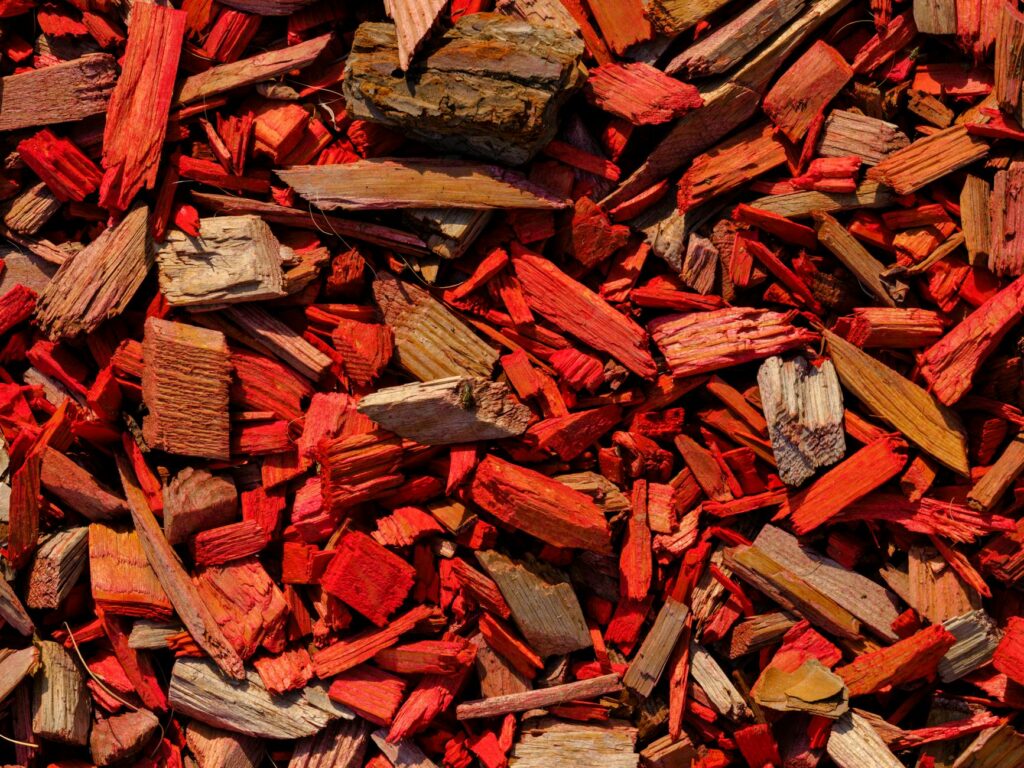
Mulch Calculator Guide: Get the Perfect Depth Every Time
Getting the right mulch depth for your garden beds is essential for weed suppression, moisture retention, and plant health. A mulch calculator takes the guesswork out of determining how much material you need by factoring in your bed dimensions and desired depth. This guide will show you how to calculate mulch requirements accurately and apply it effectively to your landscape.
Understanding Mulch Depth Requirements
The ideal mulch depth depends on your specific gardening goals and the type of plants you’re cultivating. Most landscaping experts recommend a depth of 2 to 4 inches for general garden beds, which provides excellent weed suppression while allowing water and nutrients to penetrate the soil effectively.
For new beds or areas with persistent weed problems, consider applying 3 to 4 inches of mulch. This thicker layer creates a substantial barrier that prevents most weed seeds from reaching sunlight, significantly reducing your weeding workload. However, be careful not to pile mulch directly against tree trunks or plant stems, as this can promote rot and attract pests.
If you’re maintaining established beds with minimal weed issues, 2 inches may be sufficient. Keep in mind that mulch breaks down over time—organic mulches decompose gradually, enriching your soil but requiring annual top-ups. Plan to add 1 to 2 inches of fresh mulch each year to maintain optimal depth and benefits.
Different mulch types also influence your depth decisions. Wood chips can be applied slightly thicker than finer mulches like shredded bark, as they break down more slowly and settle less. Inorganic options like rubber or stone require less frequent replacement but don’t improve soil quality over time.
Key Factors Affecting Your Mulch Calculation
Several variables impact how much mulch you’ll actually need for your project. Understanding these factors ensures you purchase the right quantity and avoid costly mistakes.
Bed Shape and Size: Rectangular beds are straightforward to measure—simply multiply length by width. Irregular shapes require breaking the area into manageable sections. For curved or circular beds, measure the longest points and use those dimensions, or calculate as a rectangle slightly larger than your actual bed, then adjust downward if needed.
Existing Mulch Consideration: If you’re topping up existing mulch rather than starting fresh, measure your current depth first. If you already have 1 inch of mulch and want to reach 3 inches total, you only need to add 2 inches worth of material. This distinction can save significant money on larger projects.
Settlement and Compaction: When you first apply mulch, it sits at full depth. Over several weeks, it naturally settles and compacts, reducing visible depth by 10 to 15 percent. Some calculators account for this factor automatically, while others give you the raw cubic yardage. If you want to maintain consistent coverage, consider ordering slightly more material to account for settling.
Mulch Type and Density: Wood chips, shredded bark, straw, and rubber mulch all have different densities and coverage rates. Denser materials cover more area per cubic yard, while lighter materials require more volume for the same depth. Your calculator should allow you to select your mulch type for accurate estimates.
Steps to Calculate Your Mulch Needs Accurately
Follow this systematic approach to determine your exact mulch requirements. Start by gathering your measurements and deciding on your target depth and mulch type.
Step 1: Measure Your Garden Beds
Use a measuring tape to determine the length and width of each bed. For irregularly shaped areas, break them into sections or estimate conservatively by measuring the longest points. Record all measurements in feet for consistency with most mulch calculators.
Step 2: Determine Your Target Depth
Decide whether you want 2, 3, or 4 inches based on your weed control needs and existing conditions. If adding to existing mulch, calculate how much additional depth you need rather than total depth. Write this number down clearly to avoid confusion during calculation.
Step 3: Calculate Total Area
Multiply length by width for each bed section, then add all sections together. This gives you your total square footage. For example, a 10-foot by 12-foot bed equals 120 square feet.
Step 4: Use Your Mulch Calculator
Visit our landscape calculator and input your square footage and desired depth. The calculator automatically converts your measurements into cubic yards, the standard unit for ordering mulch. This tool eliminates manual math and reduces errors significantly.
Step 5: Account for Waste and Settling
Add 5 to 10 percent extra to your calculated amount to account for settling and potential waste during application. If your calculator shows you need 5 cubic yards, ordering 5.5 cubic yards ensures complete coverage even after settling.
Step 6: Place Your Order
Contact your local landscape supply company with your cubic yardage requirement and preferred mulch type. Most suppliers deliver larger quantities or offer bulk discounts, so order all your mulch at once rather than in multiple trips.
FAQ: Common Mulch Calculation Questions
Q: How many bags of mulch equal one cubic yard?
A: Typically, one cubic yard of mulch equals approximately 13.5 two-cubic-foot bags. This varies slightly depending on mulch type and compression. Buying in bulk by the cubic yard is almost always more economical than purchasing individual bags for larger projects.
Q: Should I calculate mulch depth differently for tree bases?
A: Yes. Keep mulch 6 inches away from tree trunks and apply no more than 2 to 3 inches deep around trees. Piling mulch against trunks can cause rot and bark damage. Create a mulch-free ring around each tree base when calculating your total area.
Q: How often should I recalculate and add fresh mulch?
A: Calculate and top-up your mulch annually in spring, typically adding 1 to 2 inches. This maintains your desired depth and refreshes the appearance of your beds. Some areas may need attention mid-summer if settling is noticeable or if you experience heavy rain.
- Garden Soil Moisture Meter — Complements mulch application by helping users monitor moisture retention, one of the key benefits mentioned in the post
- Landscape Fabric and Mulch Barrier — Works alongside mulch for enhanced weed suppression, directly supporting the garden bed preparation process discussed
- Garden Edging and Bed Borders — Essential for defining garden bed dimensions accurately, which is critical for using a mulch calculator effectively