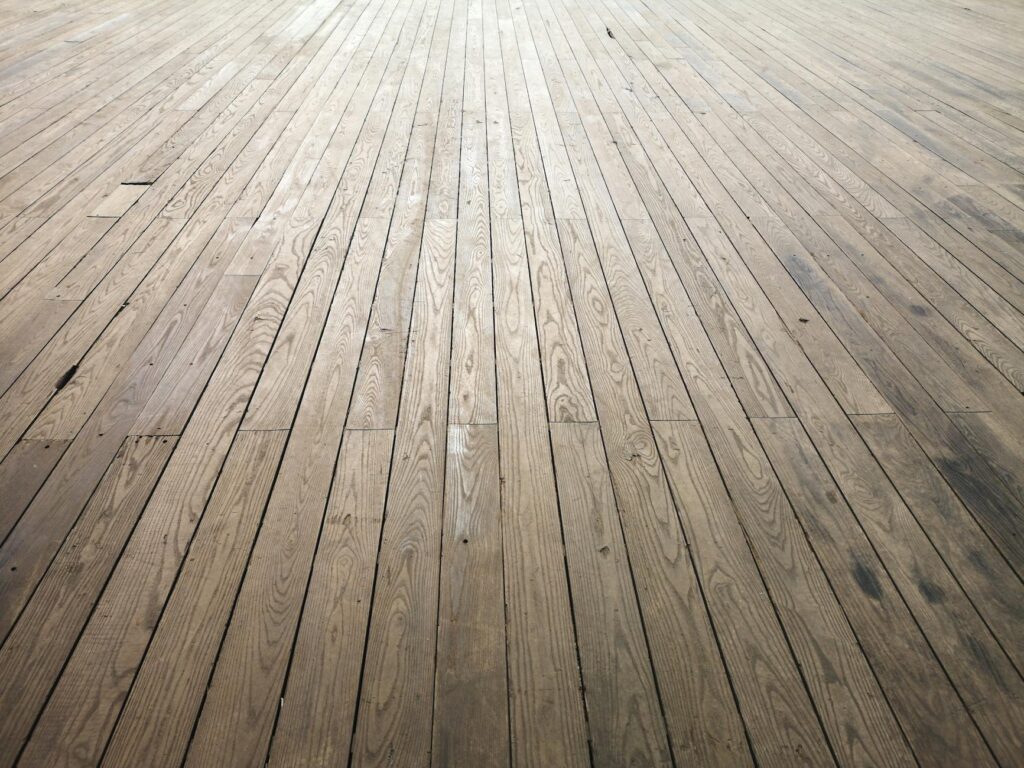
When facing worn hardwood floors, you’re typically choosing between refinishing and full replacement—two projects with dramatically different costs and outcomes. Refinishing costs $3–$10 per square foot and takes 5–7 days, while replacement runs $8–$15 per square foot and requires 2–3 weeks. Understanding this comparison helps you make the right investment for your home’s value and your budget.
Refinishing: Cost-Effective Floor Revival
Hardwood floor refinishing involves sanding away the existing finish, stain, and surface imperfections, then applying new protective coatings. This process restores your floor’s appearance without removing the original wood underneath.
Typical refinishing costs break down as follows:
- Labor: $2–$6 per square foot
- Materials (sandpaper, stain, polyurethane): $1–$4 per square foot
- Equipment rental: $200–$500 for the entire project
For a 500-square-foot room, expect $1,500–$5,000 in total refinishing costs. According to the National Association of Home Builders, refinishing represents approximately 40% of the cost of full replacement, making it an attractive option for homeowners with structurally sound floors.
Refinishing works best when your floor has minor surface damage, scratches, dull finish, or outdated stain color. If the wood shows significant cupping, warping, deep gouges, or pest damage, refinishing won’t resolve structural issues—replacement becomes necessary.
Full Replacement: When Refinishing Isn’t Enough
Floor replacement involves removing existing hardwood completely and installing new material. This option addresses underlying problems like water damage, structural failure, or aesthetic desires for different wood species or plank widths.
Full replacement expenses typically include:
- Materials (hardwood, underlayment, nails/adhesive): $4–$10 per square foot
- Labor (removal and installation): $4–$8 per square foot
- Subfloor repair (if needed): $3–$10 per square foot
- Disposal and haul-away: $200–$800
The same 500-square-foot room costs $4,000–$9,000 for complete replacement. The longer timeline—typically 2–3 weeks including subfloor assessment and curing time—means your space remains inaccessible longer than refinishing projects.
Replacement becomes the logical choice when water damage extends into the subfloor, cupping and warping is severe, multiple planks show rot or pest damage, or you want to upgrade to engineered hardwood or a different species entirely. New hardwood also comes with warranties (typically 25–50 years) that refinished floors don’t provide.
Key Factors Affecting Your Decision
Several variables influence whether refinishing or replacement makes financial and practical sense for your situation.
Floor age and condition: Floors under 20 years old with minor surface wear are excellent refinishing candidates. Floors over 40 years old with deep damage often justify replacement since you maximize the investment lifespan.
Subfloor integrity: Have a professional inspect your subfloor before deciding. If the subfloor is soft, bouncy, or water-damaged, refinishing the top layer won’t solve foundation problems. Budget $3–$10 per square foot for subfloor replacement if repairs become necessary.
Water damage history: Any past flooding or plumbing leaks warrant professional assessment. Surface water damage suggests refinishing is safe, while moisture reaching the subfloor indicates replacement is necessary.
Traffic patterns and use: High-traffic areas may require replacement sooner if refinishing is chosen, since the new finish won’t last as long as factory-finished new hardwood. Bedrooms are ideal refinishing candidates; kitchens and entryways benefit from replacement durability.
Future plans: If you’re selling within 5 years, refinishing provides better ROI. If staying longer, replacement’s extended warranty and durability often justify the higher upfront cost.
How to Calculate Your Project Cost
Accurately estimating your hardwood floor project requires knowing your square footage and understanding local labor rates. Use our floor calculator to determine your project’s exact square footage, then multiply by the per-square-foot costs outlined above. This gives you a reliable baseline before contacting contractors.
Get three quotes from licensed contractors in your area—labor costs vary significantly by region. Provide each contractor with the same scope (refinishing or replacement) and square footage to ensure apples-to-apples comparisons.
Frequently Asked Questions
Can I refinish a floor that has already been refinished multiple times?
Yes, but with limits. Most hardwood flooring can be refinished 5–10 times throughout its lifetime, depending on plank thickness. Each refinishing sands away approximately 1/32 inch of wood. Thicker planks (3/4 inch solid hardwood) tolerate more refinishing than thinner engineered wood (3/8 inch). After multiple refinishings, wood may become too thin for additional sanding, necessitating replacement. A professional inspector can measure plank thickness and advise whether refinishing remains feasible.
How long does refinished hardwood last before needing another refinish?
Properly applied water-based polyurethane finishes typically last 5–10 years before showing wear; oil-based finishes last 7–15 years. The difference depends on traffic intensity—kitchens and hallways show wear faster than bedrooms. Regular maintenance (sweeping, damp mopping, felt pads under furniture) extends finish lifespan significantly. When the finish begins looking dull, cloudy, or water stains appear, refinishing becomes due.
What’s the resale value impact of refinishing versus replacement?
Both refinishing and replacement improve home value, but differently. According to the National Association of Realtors, hardwood floor work returns approximately 80–120% of project costs at resale, meaning quality flooring work is one of the best home investments. Replacement adds slightly more value when original hardwood is a home’s expected feature, but refinishing provides excellent ROI for mid-range homes. Buyers notice well-maintained hardwood regardless of method—neglected floors significantly reduce value regardless of cost invested.
Final Recommendation: Schedule a professional inspection ($150–$300) before committing to either approach. Inspectors identify hidden water damage, assess subfloor condition, and provide honest guidance on whether refinishing achieves your goals or replacement is necessary. This modest investment prevents expensive mistakes and ensures your hardwood floor project delivers years of beauty and durability.
- Hardwood Floor Sander Rental — DIY refinishing requires sanders; renters often search for equipment options as a cost-saving alternative to hiring professionals
- Hardwood Floor Refinishing Kit — Readers comparing costs would benefit from DIY finishing products to understand true project expenses and feasibility
- Wood Floor Stain & Polyurethane Products — Essential finishing materials for refinishing projects; helps readers calculate actual material costs discussed in the guide
Related: Hardwood Floor Refinishing vs Replacement Cost Guide