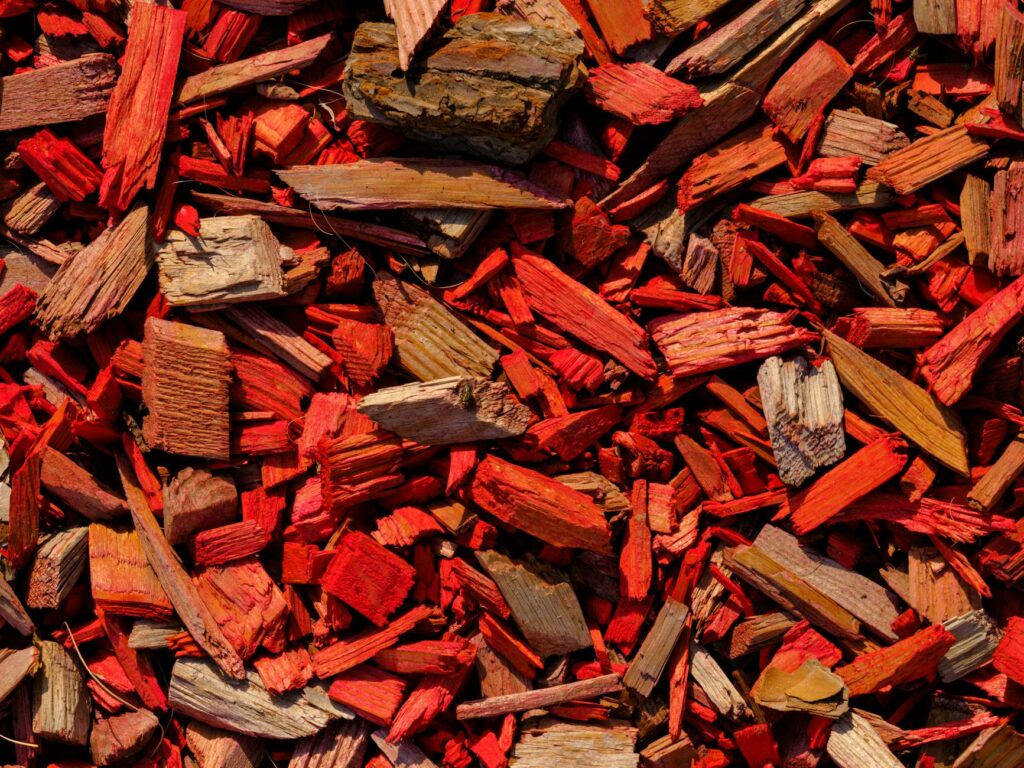
Planning a landscaping project? One of the most common questions homeowners ask is: “How much mulch do I need?” Whether you’re refreshing a flower bed, creating a new garden border, or protecting trees, calculating the right amount of mulch saves you money, reduces waste, and ensures your landscape looks finished and well-maintained. This guide walks you through everything you need to know about mulch calculators and how to determine your exact mulch requirements.
What Is a Mulch Calculator and Why Do You Need One?
A mulch calculator is a simple tool that determines how much mulch (in cubic yards, cubic feet, or tons) you need to cover a specific garden area to a desired depth. Rather than guessing or buying too much or too little, a calculator takes the guesswork out of your landscaping budget and materials list.
Most homeowners underestimate mulch quantities, leading to incomplete coverage or excess material left over. By using a mulch calculator, you’ll know exactly how many bags of bagged mulch or how many cubic yards of bulk mulch to order. This precision is especially valuable if you’re hiring a landscaper or managing multiple garden beds across your property.
Understanding Mulch Measurements: Cubic Yards, Cubic Feet, and Bags
Mulch is sold in different quantities depending on your supplier and project size. Understanding these measurements helps you accurately order materials.
Cubic Yards: One cubic yard equals 27 cubic feet and covers approximately 300 to 350 square feet at a 3-inch depth—the recommended depth for most landscaping projects. Bulk mulch is typically sold by the cubic yard and costs between $30 and $60 per yard depending on mulch type and location.
Cubic Feet: Some suppliers measure smaller quantities in cubic feet. This unit is helpful for calculating specific garden bed volumes before converting to yards.
Bags: Standard mulch bags contain 2 to 3 cubic feet of material. A typical bag costs $3 to $6 depending on mulch quality and your local market. For a 100-square-foot area at 3 inches deep, you’d need approximately 10 bags of bagged mulch, costing between $30 and $60—similar to ordering bulk in some regions.
How to Measure Your Garden Beds and Calculate Mulch Depth
Accurate measurements are the foundation of an accurate mulch calculator estimate. Follow these steps:
Step 1: Measure Your Garden Area
For rectangular beds, measure the length and width in feet. For circular beds, measure the diameter. For irregular shapes, break the area into smaller rectangles or circles, calculate each separately, and add them together. Write down all measurements before moving to the next step.
Step 2: Determine Your Desired Mulch Depth
Most landscapers recommend 2 to 4 inches of mulch depth. A 3-inch depth is the sweet spot for most homeowners—it suppresses weeds effectively, retains soil moisture, and regulates soil temperature without suffocating plant roots. Deeper mulch (4 inches) works well for heavily weeded areas or decorative applications. Shallow mulch (2 inches) suits maintenance refreshes where you’re adding to existing mulch.
Step 3: Convert Measurements to the Calculator
Once you have square footage and desired depth in inches, multiply: (Square Footage × Depth in Inches) ÷ 324 = Cubic Yards Needed. For example, a 200-square-foot bed at 3 inches deep requires (200 × 3) ÷ 324 = 1.85 cubic yards, or approximately 2 cubic yards when ordering.
Types of Mulch and Cost Considerations
The type of mulch you choose affects both cost and performance. A comprehensive mulch calculator should account for these differences.
Hardwood Mulch: The most popular choice, priced at $30 to $50 per cubic yard. It breaks down slowly, lasts 2 to 3 years, and improves soil structure as it decomposes. Ideal for flower beds and shrub borders.
Cedar or Pine Mulch: Premium options costing $40 to $70 per cubic yard. These aromatic mulches repel some pests and insects, making them excellent for vegetable gardens and sensitive plants. They last slightly longer than hardwood varieties.
Rubber Mulch: An eco-friendly alternative made from recycled tires, priced at $50 to $90 per cubic yard. Rubber mulch lasts 5 to 10 years and requires minimal maintenance, though it doesn’t enrich soil as it breaks down.
Straw or Hay: Budget-friendly options at $15 to $25 per cubic yard, best for vegetable gardens. They decompose quickly (lasting only one season) but provide excellent soil amendment benefits.
When calculating mulch costs, multiply your cubic yardage by the per-yard price of your chosen mulch type. For a 3-yard project with hardwood mulch at $40 per yard, expect to spend $120 before delivery fees.
Common Mulch Calculator Mistakes to Avoid
Even with a mulch calculator, mistakes happen. Here’s what to watch out for:
Forgetting to Account for Existing Mulch: If you’re refreshing a bed with old mulch still present, measure the current depth and subtract it from your desired depth. Adding fresh mulch over existing material prevents over-application.
Ignoring Soil Settling: Mulch settles and compresses over time, typically losing 10 to 15 percent of volume within the first year. Order slightly extra (about 1 to 2 cubic yards per project) to maintain ideal depth through the season.
Miscalculating Irregular Shapes: Circular or asymmetrical beds are harder to estimate. Use the formula for circles (radius × radius × 3.14) when dealing with round beds, and break complex shapes into simple geometric figures.
Overlooking Delivery Minimums: Many bulk mulch suppliers have minimum order requirements of 3 to 5 cubic yards. Confirm these details before ordering to avoid unexpected costs or delays.
Frequently Asked Questions
How much mulch do I need for 100 square feet?
For 100 square feet at a 3-inch depth, you need approximately 0.93 cubic yards, or about 1 cubic yard when rounded up. If you prefer bagged mulch, purchase 10 standard bags (each containing 2.5 cubic feet). The cost ranges from $30 to $60 depending on mulch type and whether you choose bulk or bags.
Can I use a mulch calculator for potted plants and containers?
Yes, but you’ll measure differently. For containers, multiply the diameter squared by 0.785, then multiply by the desired mulch depth in feet, and divide by 27 to get cubic yards. Container mulch typically requires only 1 to 2 inches of depth, making small bags the most practical purchase option.
How often should I recalculate mulch needs?
Recalculate annually or every 18 months as mulch breaks down and settles. A fresh mulch calculator assessment in spring helps you plan maintenance refreshes, typically requiring 1 to 2 cubic yards per 300 square feet to restore depth to the recommended 3-inch level.
Is it cheaper to buy bagged mulch or bulk mulch?
Bulk mulch is generally cheaper for projects requiring 3 cubic yards or more, costing $30 to $60 per yard versus $36 to $72 per yard in bag form. However, bagged mulch eliminates delivery fees and works better for small projects or urban properties without space for bulk deliveries.
What’s the difference between mulch calculator estimates and actual amounts needed?
Mulch calculator estimates assume clean, level ground and uniform depth. In reality, soil imperfections, slopes, and settling require ordering 5 to 10 percent extra material. Additionally, mulch compresses with foot traffic and weather, so maintaining ideal depth throughout the season necessitates regular top-ups.
Conclusion
A mulch calculator is an essential tool for any DIY homeowner planning landscape improvements. By accurately measuring your garden beds, selecting your preferred mulch depth and type, and running the numbers through a reliable calculator, you’ll order the precise amount needed—no waste, no shortages, and no budget surprises.
Whether you’re a first-time gardener or a seasoned landscaper, taking time to calculate mulch requirements properly pays dividends in project success and cost savings. The investment of a few minutes in measurement and calculation yields months of beautiful, well-maintained landscaping.
Use Our Free DIY Calculator
Ready to get your exact mulch quantities and costs? Head to our free DIY calculator at diycalculator.net. Input your garden bed dimensions, select your preferred mulch depth and type, and instantly receive cubic yardage requirements, bagged material counts, and total project costs broken down by mulch variety. Stop guessing—start calculating today and take the confidence out of your next landscaping project.
- Mulch Calculator Tool/Software — Complements the calculator by helping users plan entire landscaping projects and visualize mulch placement before purchasing
- Bagged Mulch (Various Types) — Direct product recommendation for readers who've calculated their mulch needs and are ready to purchase materials for their garden project
- Garden Landscape Fabric — Often used under mulch for weed prevention; natural upsell product for homeowners planning mulch installation
Related: Sod Calculator: How Much Grass Do You Really Need?
Related: How Much Mulch Do I Need? Calculator and Coverage Guide
Related: Mulch Calculator: How to Estimate Mulch Needed for Your Garden Beds