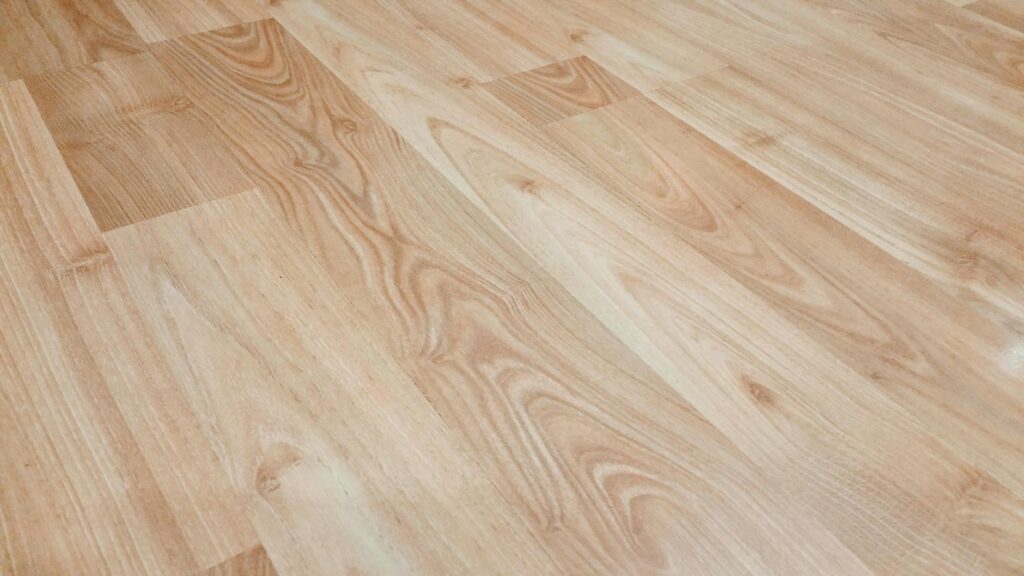
Vinyl plank flooring typically costs between $2 and $10 per square foot for materials, with professional installation adding $3 to $8 per square foot depending on your location and project complexity. The total investment for a 1,000 square foot room usually ranges from $5,000 to $18,000 when including both materials and labor. Understanding the breakdown of these costs helps homeowners budget accurately and make informed decisions about whether to hire professionals or tackle the project themselves.
Material Costs for Vinyl Plank Flooring
The price of vinyl plank flooring materials varies significantly based on quality and style. Budget-friendly options start around $2 to $3 per square foot and work well for basements, rental properties, or temporary installations. Mid-range vinyl planks, which offer better durability and more realistic wood-look finishes, typically cost $4 to $6 per square foot. Premium luxury vinyl planks (LVP) can run $7 to $10 per square foot and feature advanced texturing, superior waterproofing, and enhanced aesthetics that mimic genuine hardwood or stone.
Several factors influence material pricing. Thickness matters—thinner planks (2mm) cost less than thicker options (4-6mm), though thicker planks provide better sound absorption and durability. Brand reputation also plays a role; established manufacturers command higher prices due to warranty coverage and quality assurance. Waterproof ratings affect cost too; water-resistant vinyl is cheaper than fully waterproof luxury vinyl, making waterproof options better for kitchens, bathrooms, and basements. Finally, special features like attached padding or enhanced click-locking systems increase the per-square-foot price but reduce overall installation time and complexity.
When calculating material needs, add 10 percent to your total square footage to account for cuts, waste, and future repairs. For a 500 square foot kitchen, purchase materials for 550 square feet. Don’t forget underlayment, which costs $0.50 to $1.50 per square foot and provides moisture barriers, cushioning, and soundproofing benefits essential for floor longevity.
Labor Costs and Professional Installation
Professional installation labor typically ranges from $3 to $8 per square foot, though this varies by region, complexity, and contractor experience. Urban areas and high-cost-of-living regions pay premium rates, sometimes exceeding $10 per square foot, while rural areas might offer more affordable options. Most contractors charge either per square foot or provide flat project quotes based on room size, layout, and difficulty level.
Several variables affect labor costs. Subfloor preparation is crucial—if existing flooring requires removal or the subfloor needs leveling and repairs, expect additional charges ranging from $0.50 to $3 per square foot. Room layout complexity matters significantly; simple rectangular spaces cost less than rooms with multiple doorways, transitions, and irregular shapes requiring numerous cuts. Floor transitions to other rooms add $50 to $200 per transition point. Existing floor removal costs $0.50 to $2 per square foot depending on the current flooring type and disposal requirements.
Most professional projects include underlayment installation, basic subfloor repair, floor removal, and finishing touches like baseboards and trim. Obtaining multiple quotes from reputable installers ensures competitive pricing while maintaining quality standards. Ask contractors about their experience with vinyl plank specifically, warranty coverage, and whether they include cleanup in their quoted price. Licensed installers typically provide better results and honor warranty claims compared to unlicensed workers.
DIY Installation vs. Professional Installation
Vinyl plank flooring ranks among the most DIY-friendly flooring options, with click-lock systems making installation relatively straightforward for homeowners with basic tool knowledge. DIY installation eliminates labor costs entirely—potentially saving $3,000 to $8,000 on a medium-sized project. However, success requires careful planning, proper tools, and patience.
Essential tools for DIY installation include a miter saw or circular saw for cutting planks, a tape measure, spacers to maintain gaps from walls, a tapping block to snug planks together, and a moisture meter if installing in damp areas. Rental tools might be necessary if you lack equipment, adding $50 to $150 to your budget. YouTube tutorials and manufacturer instructions are invaluable resources, though mistakes can be costly and difficult to correct once planks are installed.
Key challenges for DIYers include subfloor preparation—unlevel or damaged subfloors cause flooring failure and warranty voidance. Improper moisture barriers in bathrooms and basements lead to mold and deterioration. Incorrect acclimation (allowing flooring to adjust to room humidity and temperature) causes expansion and buckling. If your situation involves complex subfloor work, moisture concerns, or intricate layouts, hiring professionals protects your investment and ensures long-term performance. Many homeowners successfully complete DIY vinyl plank projects in kitchens and living rooms while hiring professionals for moisture-prone bathrooms and basements.
Calculate Your Vinyl Plank Flooring Project Cost
Accurately estimating your project costs requires knowing your room’s square footage and understanding local labor rates. Use our flooring calculator to determine material quantities, account for waste, and generate preliminary budget estimates based on your specific room dimensions and chosen vinyl plank grade.
FAQ: Vinyl Plank Flooring Costs
Is vinyl plank flooring cheaper than laminate or real hardwood?
Vinyl plank flooring is generally less expensive than real hardwood but comparable to laminate. Mid-range vinyl costs $4-$6 per square foot versus $6-$10 for hardwood and $2-$5 for laminate. However, luxury vinyl planks can exceed laminate prices while remaining cheaper than genuine hardwood. Vinyl’s superior water resistance often justifies premium pricing, especially in kitchens and bathrooms where hardwood and budget laminate fail.
What additional costs should I expect beyond materials and labor?
Budget for underlayment ($0.50-$1.50 per square foot), baseboards and trim replacement ($2-$5 per linear foot), floor transitions ($50-$200 each), and subfloor repair if discovered during removal ($200-$1,000+). If you’re doing DIY installation, add tool rental costs. Removal of existing flooring typically costs $0.50-$2 per square foot as a separate line item, though many contractors include this in their quotes.
How long does vinyl plank flooring last, and does warranty coverage justify premium pricing?
Quality vinyl plank flooring lasts 15-25 years with proper maintenance. Budget options include 5-10 year warranties, mid-range planks offer 15-20 year coverage, and premium vinyl often includes lifetime warranties covering manufacturing defects. Extended warranties justify higher material costs by providing peace of mind and protecting against manufacturing defects, though wear and tear coverage varies significantly between manufacturers.
- Vinyl Plank Flooring Installation Tools Kit — Readers calculating flooring costs may want to DIY installation to save on labor costs; this kit provides essential tools needed for proper vinyl plank installation
- Moisture Barrier & Underlayment for Vinyl Flooring — Essential preparatory material for vinyl plank installation that affects total project cost; readers need this for proper subfloor preparation before laying planks
- Vinyl Plank Flooring Samples & Starter Pack — Helps readers visualize and compare different vinyl plank styles and colors before committing to a large purchase, supporting their cost estimation and selection process