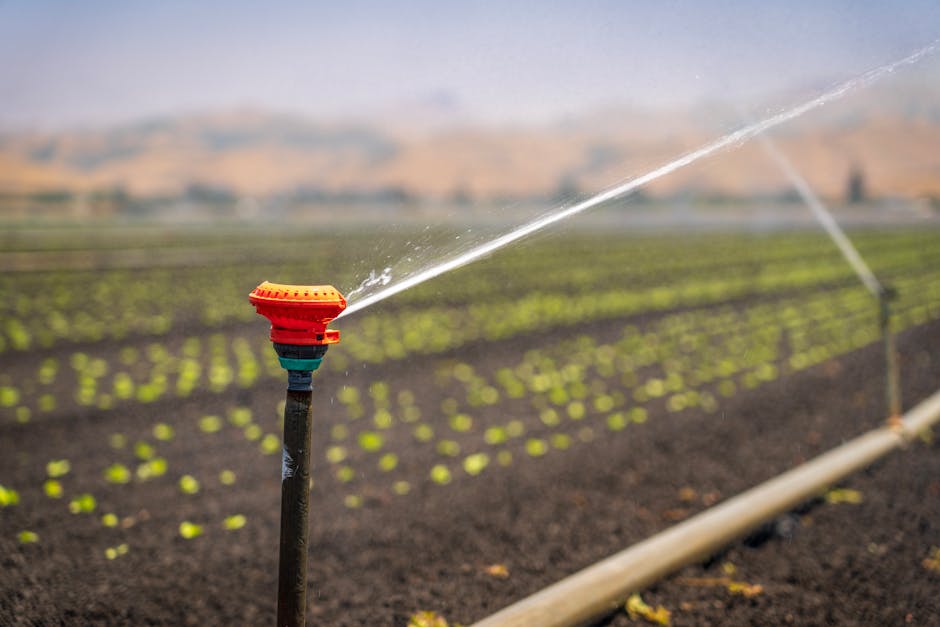
Drip irrigation typically costs $1,200-$2,500 for residential installation, while sprinkler systems range from $2,000-$5,000. Drip systems offer lower water usage and maintenance costs, making them cheaper long-term despite similar upfront pricing for smaller properties.
Drip Irrigation System Costs
Drip irrigation has become increasingly popular among homeowners looking to conserve water while maintaining healthy landscapes. The typical irrigation system installation cost for a drip system falls between $1,200 and $2,500 for most residential properties, depending on yard size and complexity.
Material costs represent a significant portion of this expense. Drip lines, emitters, filters, and connectors typically run $200-$600 for an average quarter-acre lot. The beauty of drip systems lies in their efficiency—they deliver water directly to plant roots, reducing waste by up to 50% compared to traditional methods.
Labor costs vary by region but generally account for 40-60% of total installation expenses. In urban areas, expect to pay $40-$75 per hour for professional installation. For a system covering 2,000-3,000 square feet, labor typically ranges from $800-$1,500.
Smaller drip systems for vegetable gardens or flower beds cost considerably less—as little as $300-$600 for DIY materials. This affordability makes drip irrigation accessible for budget-conscious gardeners starting their water conservation journey.
Sprinkler System Costs
Traditional sprinkler systems demand higher upfront investment, typically ranging from $2,000 to $5,000 for residential installation. A drip irrigation vs sprinkler comparison reveals that sprinklers require more extensive infrastructure, including underground piping, multiple zones, and control systems.
Materials for a sprinkler system are more substantial. PVC pipe, sprinkler heads, valves, controllers, and backflow preventers can total $800-$1,500. Professional-grade irrigation controllers add $300-$800 to the price tag, depending on features and automation capabilities.
Installation labor for sprinkler systems is more intensive. Trenching alone—typically 6-12 inches deep—requires specialized equipment and expertise. Professional installation usually costs $1,200-$3,500, making it the largest expense component.
However, sprinkler systems excel at covering large areas efficiently. For properties exceeding one acre or requiring complex zone coverage, sprinklers often provide better value than purchasing multiple drip system sections.
Cost Comparison: Drip vs Sprinkler
Is drip irrigation cheaper than sprinklers?
The answer depends on your property size and specific needs. For small to medium yards (under 5,000 square feet), drip systems typically cost $800-$1,000 less to install. The cumulative savings accelerate over time through reduced water consumption.
Annual water costs reveal the true financial advantage of drip systems. Drip irrigation uses approximately 50% less water than sprinklers—translating to annual savings of $200-$400 for average homeowners. Over five years, this compounds to $1,000-$2,000 in water bill reductions.
For larger properties, the equation shifts. Sprinkler systems covering 10,000+ square feet often cost less per square foot than purchasing multiple drip zones. Installation economies of scale make sense for expansive landscapes.
Consider maintenance costs too. Drip emitters require annual cleaning ($50-$150 annually), while sprinkler heads need seasonal adjustments and repairs ($100-$300 yearly). Over 10 years, drip systems typically cost $300-$800 less to maintain.
Installation Factors Affecting Price
Several variables influence your final how much does it cost to install an irrigation system estimate:
Soil Type and Grade: Sloped or rocky terrain increases installation difficulty and costs. Clay soil requires deeper trenching than sandy soil, adding $200-$500 to sprinkler installation expenses.
Water Source: Systems using existing main water lines cost less than those requiring new connections. Well-fed systems add $500-$1,200 for pump installation and electrical work.
System Complexity: Multi-zone setups with smart controllers cost significantly more than basic systems. Each additional zone adds $300-$600 to your bill.
Property Size: Larger properties achieve better economies of scale. A 10,000-square-foot yard costs roughly 40% less per square foot to irrigate than a 2,000-square-foot property.
Local Labor Rates: Metropolitan areas typically charge 30-50% more than rural regions. A $1,500 installation in suburban areas might cost $1,000 in smaller towns.
DIY Installation vs Professional Setup
The DIY route offers substantial savings but requires careful consideration. Basic drip systems are genuinely manageable for homeowners—the learning curve is gentle, and mistakes rarely prove expensive.
Materials for DIY drip installation: $200-$800. You’ll need drip tubing, emitters, connectors, stakes, and a timer. Most hardware stores stock everything needed, and installation typically requires only a few hours of weekend work.
Professional installation costs $1,000-$3,000 but includes design expertise, proper zone layouts, and warranty protection. Professionals identify issues—poor drainage, soil compaction, pest activity—that homeowners might miss.
Sprinkler systems present greater DIY challenges. Trenching requires equipment rental ($150-$300 daily), and mistakes prove costly. Improper slope causes drainage problems; incorrect zone sizing wastes water and money. Most experts recommend professional installation for sprinkler systems.
A hybrid approach works well: hire professionals for design and trenching, then install emitters and tubing yourself. This typically saves 30-40% while maintaining system quality.
Long-Term Maintenance Costs
Operating costs extend beyond installation. Annual maintenance ensures optimal performance and prevents costly repairs.
Drip system maintenance runs $50-$150 annually. Tasks include flushing lines (removes mineral deposits), replacing damaged emitters, and winterizing in cold climates. Most homeowners complete these tasks independently.
Sprinkler maintenance averages $100-$300 yearly. Professional seasonal adjustments, head cleaning, and pressure testing prevent inefficiency. Broken heads and valve repairs add unexpected costs.
Water consumption differences create the most significant long-term savings. Drip systems reduce annual water costs by 30-50%, meaning typical savings of $200-$400 annually. Over a system’s 15-20 year lifespan, this represents $3,000-$8,000 in savings.
How to Use the Calculator
Estimating your specific costs requires considering multiple variables. Our water usage calculator helps project annual consumption and expenses for different system types. Input your yard dimensions, plant types, and current watering schedule to see potential savings.
Additionally, use our cost calculator tools to budget for materials, labor, and long-term maintenance across both irrigation types.
FAQ
How much does it cost to install an irrigation system?
Installation costs range from $1,200-$5,000 depending on system type and property size. Drip systems typically cost $1,200-$2,500, while sprinklers run $2,000-$5,000. Labor represents 40-60% of total expenses, with material costs varying by region and complexity.
Is drip irrigation cheaper than sprinklers
Recommended Resources:
- Drip Irrigation Kit — Directly relevant to the post’s focus on drip irrigation costs and installation. Readers actively comparing systems would likely purchase a kit.
- Garden Hose and Watering Accessories Bundle — Complements drip irrigation setup with essential components like connectors, timers, and hoses that readers would need for installation.
- Soil Moisture Sensor and Timer System — Helps optimize water usage efficiency, which aligns with the post’s emphasis on drip systems’ lower water consumption and cost savings.
- Drip Irrigation Kit — Directly relevant to the post’s focus on drip irrigation costs and installation. Readers actively comparing systems would likely purchase a kit.
- Garden Hose and Watering Accessories Bundle — Complements drip irrigation setup with essential components like connectors, timers, and hoses that readers would need for installation.
- Soil Moisture Sensor and Timer System — Helps optimize water usage efficiency, which aligns with the post’s emphasis on drip systems’ lower water consumption and cost savings.
Related: Ultimate Guide to Outdoor Kitchen Equipment Costs in 2026: Grills, Countertops, and Cabinetry
Related: Complete Guide to Drip vs Sprinkler Irrigation Costs in 2026
Related: Complete Guide to Drip vs Sprinkler Installation Costs 2026