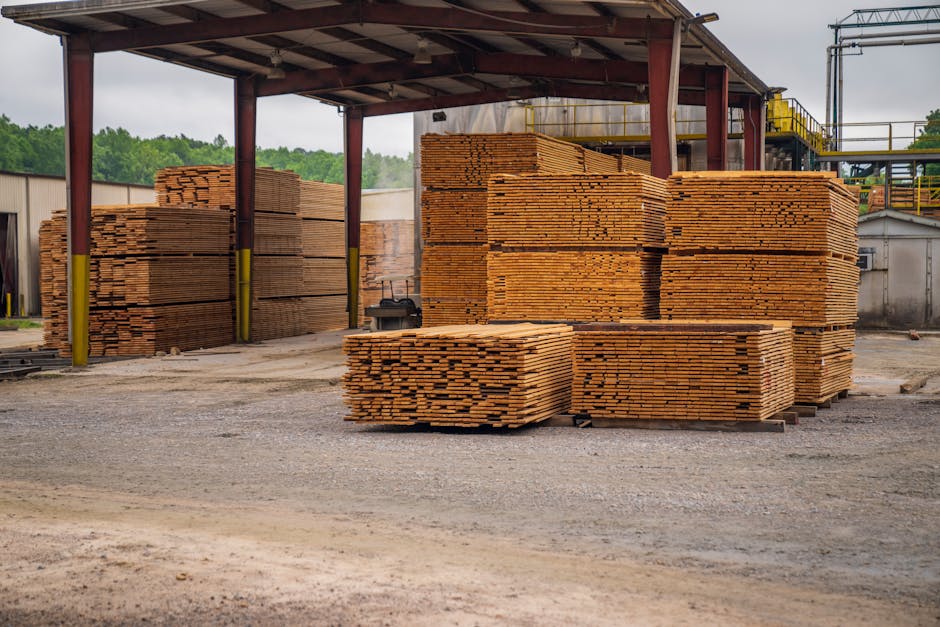
Pressure treated lumber is classified into grades based on intended use and exposure conditions. Common grades include ground contact, above-ground, and general purpose, each designed for specific moisture and decay resistance requirements suitable for different DIY projects. Understanding pressure treated lumber grades: appropriate use by project type ensures your structure lasts decades while staying within budget.
Understanding Pressure Treated Lumber Grades
Pressure treated lumber grades represent standardized classifications that determine where and how you can safely use the material. The grading system reflects the wood’s ability to resist decay, moisture penetration, and insect damage based on chemical retention levels and treatment depth.
The American Wood Protection Association (AWPA) establishes standards for pressure treated lumber, dividing products into distinct categories. Each grade receives a specific retention level measured in pounds of preservative per cubic foot, directly correlating to longevity in different environments.
According to the EPA’s guidance on wood preservatives, modern pressure treated lumber uses copper-based compounds rather than older arsenic formulations, making them safer for residential applications while maintaining excellent protection against decay organisms.
What is the difference between pressure treated lumber grades?
The primary differences lie in chemical retention levels and intended exposure conditions. Ground contact grades contain higher preservative concentrations because they face constant moisture and ground contact. Above-ground grades work for structures that don’t contact soil. General purpose grades fall between these categories and suit most DIY applications.
Grade Classifications and Their Applications
Pressure treated lumber grades: appropriate use by project type requires understanding each classification’s capabilities. The main grades you’ll encounter are UC2, UC3B, UC4A, and UC4C, each suited to specific environmental conditions.
UC2 (Above-Ground) is the most affordable option, designed for covered applications with minimal weather exposure. This grade works well for interior framing, roof trusses, and areas protected from direct rain and ground contact. Retention levels typically reach 0.4 pounds per cubic foot.
UC3B (Above-Ground in Wet Conditions) handles outdoor exposure without ground contact. This grade suits deck substructure, fence rails, and pergola beams that endure weather but don’t touch soil. Retention reaches 0.6 pounds per cubic foot, providing enhanced protection against moisture penetration.
UC4A (Ground Contact, General Use) is the workhorse for most outdoor DIY projects. With 0.4 pounds per cubic foot retention, it protects wood in direct ground contact for landscape timbers, deck posts, retaining walls, and fence posts. This grade balances cost with durability for typical homeowner applications.
UC4C (Ground Contact, Severe Exposure) represents the highest protection level at 0.6 pounds per cubic foot. Use this grade for applications in extreme conditions—saltwater proximity, severe moisture conditions, or where wood replacement costs are prohibitive. This is specialty-grade lumber for demanding environments.
Research indicates that approximately 85% of residential pressure treated lumber purchases fall into UC3B and UC4A categories, as these grades provide optimal protection for typical home construction projects without unnecessary expense.
Selecting the Right Grade for Your DIY Project
Choosing pressure treated lumber grades: appropriate use by project type begins with evaluating your specific conditions. Ask yourself: Will this wood contact soil? Will it face constant moisture? Is it covered or exposed to direct weather?
Ground contact assessment: If wood touches earth or sits in consistently damp conditions, you need UC4A minimum. Posts set in concrete footings, landscape timbers, and garden bed borders all require ground contact grades. Never use UC2 or UC3B for these applications—premature failure will result.
Moisture exposure evaluation: Above-ground applications that face rain, snow, and humidity need UC3B protection. Deck railings, exposed beams, and exterior trim experience significant weather exposure without ground contact, making UC3B the appropriate choice for longevity.
Budget considerations: UC2 costs significantly less than UC4A—sometimes 20-30% cheaper. If your project genuinely qualifies for above-ground use with adequate protection, UC2 saves money without compromising safety or lifespan.
Which pressure treated lumber grade should I use for a deck?
Decks require mixed grades depending on structural elements. Posts and rim joists contacting ground need UC4A. Deck framing above ground (joists, beams) works with UC3B. Decking boards typically use UC3B since they sit above ground with drainage beneath. This staged approach balances protection and cost effectively.
Common Project Types and Recommended Grades
Understanding pressure treated lumber grades: appropriate use by project type across common DIY applications helps you buy confidently.
- Deck Construction: Posts (UC4A), rim joists (UC4A), deck joists (UC3B), decking and railings (UC3B)
- Fence Installation: Posts set in ground (UC4A), rails (UC3B), pickets (UC3B)
- Pergolas: Footings and posts (UC4A), overhead beams and rafters (UC3B)
- Retaining Walls: All structural members (UC4A)
- Landscape Timbers: All pieces (UC4A)
- Raised Garden Beds: All components (UC4A for longevity)
- Covered Patio Framing: All elements (UC3B acceptable)
- Interior Framing: UC2 sufficient for protected indoor applications
Storage and Handling Tips for Pressure Treated Lumber
Proper storage protects your investment. Stack lumber off the ground on level blocking to prevent moisture accumulation and warping. Cover stacks with breathable tarps—plastic sheeting traps moisture and accelerates decay. Keep stacks in shaded areas when possible.
Wear gloves and wash hands after handling pressure treated lumber, as residual preservatives can irritate skin with prolonged exposure. Cut lumber outdoors when possible, and dispose of sawdust properly—never burn pressure treated wood, as this releases chemicals into the air.
How to Use the DIY Calculator
Planning a deck or fence project? Our lumber calculator helps you determine exact quantities needed based on dimensions, automatically accounting for spacing and waste factors. Input your project specifications—deck size, post spacing, or board widths—and receive precise material estimates. This prevents costly overbuying or short supplies mid-project.
For budget planning, use our deck cost calculator to compare expenses across different lumber grades. Enter UC3B versus UC4A pricing in your region to see cost differences before purchasing, ensuring your grade selection aligns with your budget constraints.
FAQ: Pressure Treated Lumber Grades
Can I use UC2 lumber for outdoor applications?
UC2 is not recommended for outdoor applications. It lacks sufficient preservative retention for moisture-prone environments. Even covered outdoor structures experience humidity, temperature fluctuations, and occasional moisture penetration that UC2 cannot adequately resist. UC3B is the minimum grade for any outdoor exposure, while ground contact demands UC4A.
How long does each pressure treated lumber grade last?
UC2 typically lasts 5-10 years in protected indoor settings. UC3B provides 15-20 years of above-ground service. UC4A delivers 20-30+ years in ground contact applications when properly installed with
- Moisture Meter for Wood — Helps DIYers measure moisture content in pressure treated lumber to ensure proper drying and assess lumber quality before use in projects
- Pressure Treated Wood Sealant/Stain — Essential for protecting pressure treated lumber from weathering and extending its lifespan, complementing the grade selection discussed in the post
- Stainless Steel Fasteners & Hardware Kit — Recommended pairing with pressure treated lumber to prevent corrosion and fastener failure, ensuring project longevity with properly graded materials
Related: Lumber Calculator: Board Feet and Project Planning Made Easy