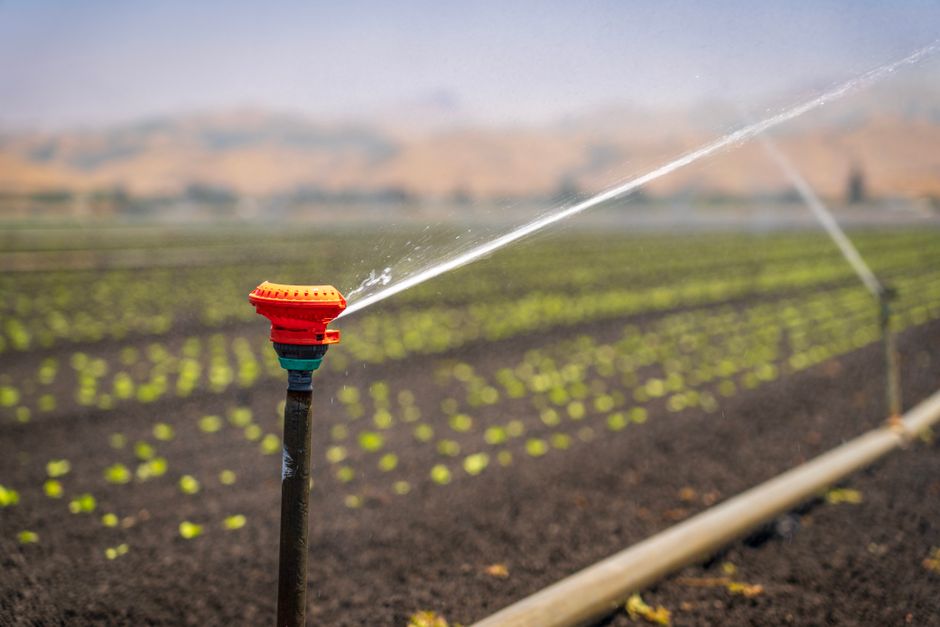
Drip irrigation systems typically cost $200–$1,000 for a DIY install, while sprinkler systems run $500–$3,500 depending on yard size and zone count. Drip systems use 30–50% less water, lowering long-term utility bills. Sprinklers cover larger areas faster but cost more upfront and require more maintenance over time. (Related: Home Renovation Cost Calculator Guide for Cardiff Homeowners) (Related: DIY Home Improvement Projects to Replace Expensive Professional Services) (Related: Gravel Calculator: Estimate Yards & Tons for Any Project) (Related: Cost breakdown and ROI calculator for converting sheds into home offices) (Related: Lumber Calculator: Estimate Board Feet & Costs Easily) (Related: Hollow Core vs Solid Core Door Pricing: Complete 2026 Guide)
Breaking Down the Real Costs: Drip vs Sprinkler Systems
When I started researching irrigation for my backyard vegetable garden and flower beds, I was genuinely shocked by how wide the price ranges were. Let me break this down so you’re not staring at a Home Depot aisle with zero direction.
Drip Irrigation Cost Breakdown
Drip systems deliver water directly to plant root zones through emitter lines and tubing. Here’s what a realistic budget looks like for a 1,000 square foot zone:
- Mainline tubing (1/2 inch): $25–$60 per 100 feet
- Emitter lines or drip tape: $15–$40 per 100 feet
- Filter and pressure regulator: $20–$45
- Timer/controller: $30–$120
- Fittings, stakes, connectors: $30–$80
- Total DIY estimate: $120–$345 per zone
For a full garden setup covering three zones, expect to spend $300–$900 on materials alone. Professional installation adds $150–$400 in labor per zone.
Sprinkler System Cost Breakdown
In-ground sprinkler systems are more complex installations. For a standard 5,000 square foot lawn with three zones:
- PVC or poly pipe: $50–$120 per zone
- Sprinkler heads (rotary or fixed): $5–$15 each, 4–8 heads per zone
- Backflow preventer: $35–$150
- Multi-zone controller: $80–$250
- Valve boxes and manifolds: $40–$100
- Total DIY estimate: $500–$1,500 for three zones
Professional installation for a comparable setup typically runs $1,800–$3,500, with higher costs in areas requiring trenching or rocky soil conditions.
Long-Term Water and Maintenance Costs You Can’t Ignore
This is where the real money conversation happens — and honestly, where drip systems pull significantly ahead for certain applications.
Water Usage and Utility Savings
According to the EPA’s WaterSense program, landscape irrigation accounts for nearly one-third of all residential water use in the U.S., totaling nearly 9 billion gallons per day. The agency notes that as much as 50% of that water is wasted due to inefficient methods.
Drip systems, by delivering water directly to root zones, reduce evaporation and runoff dramatically. A household running sprinklers 3x per week during a 6-month irrigation season might use 90,000–120,000 gallons annually for a mid-sized yard. Switching equivalent zones to drip can cut that by 30,000–50,000 gallons, saving $60–$150 per year at average U.S. water rates.
Annual Maintenance Cost Comparison
Drip systems require periodic emitter inspection and flushing, which you can DIY in 1–2 hours seasonally. Sprinkler systems need:
- Winterization (blowout): $50–$125 professionally
- Spring startup inspection: $50–$100
- Head replacement and adjustments: $20–$80 annually
- Backflow testing (required in many municipalities): $30–$75
Over a 10-year period, sprinkler maintenance can easily add $1,500–$3,000 in cumulative costs compared to $300–$600 for a well-maintained drip system.
Which System Wins for Your Specific Situation?
Here’s my honest take after doing this research for my own yard:
- Choose drip irrigation if: You have garden beds, shrubs, trees, raised vegetable gardens, or sloped terrain. Drip wins on water efficiency, cost, and precision.
- Choose sprinklers if: You have large open lawn areas (grass doesn’t thrive with drip), sports turf, or areas where uniform surface coverage is essential.
- Hybrid approach: Many homeowners use drip for beds and borders while running pop-up sprinklers only for grass zones. This is the setup I ended up with, and it balances cost and coverage beautifully.
How to Use the Irrigation Cost Calculator
Before you buy a single fitting or schedule a contractor quote, run your numbers through the DIY Calculator tools at diycalculator.net. Having accurate square footage figures and zone counts before you start will prevent one of the most common and expensive mistakes in irrigation planning — underbuying materials and making multiple hardware store trips that blow your budget.
To get the most accurate estimate, gather these inputs first:
- Total irrigated square footage broken out by type (lawn vs. beds)
- Number of planned zones (each zone should not exceed your water pressure capacity)
- Your local water cost per 1,000 gallons (check your utility bill)
- Whether you plan DIY or professional installation
- Your climate zone and average irrigation season length
The calculator helps you compare true 5-year total cost of ownership — not just the sticker price on materials — so you can make an informed decision between drip, sprinkler, or a hybrid system.
Frequently Asked Questions
Is drip irrigation really worth the upfront cost for a vegetable garden?
Absolutely, yes. A drip system for a typical 200–400 square foot vegetable garden costs $80–$200 in materials and can pay for itself in one growing season through water savings alone. More importantly, plants typically produce better yields because they receive consistent moisture directly at the root zone rather than inconsistent surface watering. The ROI for edible gardens is among the strongest of any irrigation application.
How much does it cost to add a zone to an existing sprinkler system?
Adding a zone to an existing in-ground sprinkler system typically costs $200–$500 as a DIY project and $500–$1,000 professionally installed. Costs vary based on how far the new zone is from the existing manifold, soil conditions, and the number of heads required. If your current controller doesn’t have an open zone slot, budget an additional $80–$150 for controller replacement or expansion module.
Do irrigation systems increase home resale value?
In-ground sprinkler systems generally add perceived value
- Drip Irrigation Kit — Directly addresses the main topic – readers comparing drip vs sprinkler systems will want to purchase drip kits for their DIY projects
- Sprinkler System Timer — Complements both irrigation types mentioned – helps automate watering schedules and reduces maintenance burden discussed in the post
- Water Flow Meter — Practical tool for measuring water usage savings – readers interested in the 30-50% water savings claim will want to monitor their actual consumption
See also: Complete Guide to Chimney Repair Cleaning Costs by Season 2026
See also: Basement Waterproofing Costs 2026: The Complete Interior vs Exterior Guide
Related: Complete Guide to Garden Trellis & Arbor Costs in 2026
Related: Complete Guide to Drip vs Sprinkler Installation Costs 2026
Related: Complete Guide to Irrigation Installation Costs 2026