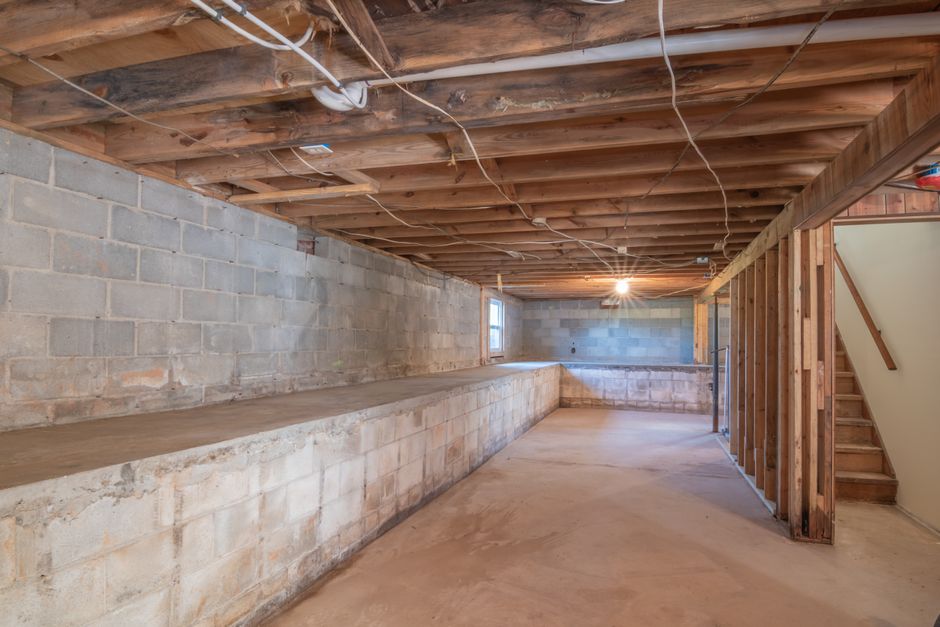
Interior basement waterproofing typically costs $1,500–$15,000 depending on moisture severity, while exterior solutions range from $10,000–$25,000+. Interior methods address existing moisture; exterior prevents water entry at the source, making it more expensive but often more effective long-term. (Related: Complete Guide to Drip vs Sprinkler Irrigation Costs in 2026) (Related: DIY Home Improvement Projects to Replace Expensive Professional Services) (Related: Gravel Calculator: Estimate Yards & Tons for Any Project) (Related: Cost breakdown and ROI calculator for converting sheds into home offices) (Related: Lumber Calculator: Estimate Board Feet & Costs Easily) (Related: Hollow Core vs Solid Core Door Pricing: Complete 2026 Guide)
Interior vs Exterior Basement Waterproofing: Key Differences
When I started researching basement waterproofing costs for a friend’s home last year, the sheer range of prices was overwhelming. The core reason for that range? You’re actually choosing between two fundamentally different philosophies of water management.
Interior waterproofing manages water that has already entered your basement — redirecting it through drains, sump pumps, and vapor barriers before it causes damage. Exterior waterproofing stops water before it ever penetrates your foundation walls.
- Interior systems: Faster to install, less disruptive, lower upfront cost, but doesn’t eliminate the source of intrusion
- Exterior systems: Addresses root causes, longer-lasting, but requires extensive excavation and significantly higher investment
- Moisture source matters: Hydrostatic pressure, poor grading, and cracked foundations each respond differently to each method
According to the EPA’s moisture control guidelines, controlling moisture at the source is the most effective long-term strategy — which is the core argument for exterior solutions when budget allows.
Is interior or exterior basement waterproofing better?
Neither method is universally superior — it depends on your specific situation. Exterior waterproofing is more effective at eliminating the source of water intrusion and is the preferred method for new construction or severe hydrostatic pressure problems. Interior waterproofing is practical for existing homes where excavation isn’t feasible, or when budget constraints make exterior work impossible. Many homeowners use a hybrid approach: interior drainage systems combined with exterior grading improvements.
Interior Waterproofing Costs and Methods
Interior basement waterproofing cost typically falls between $1,500 and $15,000, with most homeowners spending around $5,000–$8,000 for a complete system. Here’s what drives those numbers:
Common Interior Basement Waterproofing Methods
- Interior drainage channels (French drains): $3,000–$10,000 — A perimeter channel collects water and routes it to a sump pump. Most popular professional solution.
- Sump pump installation: $800–$2,500 — Essential component of any interior system; battery backup units add $200–$500 more.
- Vapor barriers / wall membranes: $1,500–$4,000 — Plastic sheeting or dimple board systems that redirect seeping wall moisture downward to drainage channels.
- Crack injection (epoxy or polyurethane): $300–$800 per crack — Effective for isolated foundation cracks causing localized leaks.
- Interior waterproofing paint/sealers: $100–$300 DIY — Temporary measure only; not a substitute for drainage systems under active water pressure.
The key advantage of interior systems is minimal disruption — no landscaping destruction, no excavation permits, and installation often completed in one to two days for an average basement.
Exterior Waterproofing Costs and Methods
Exterior waterproofing solutions price out significantly higher due to the labor intensity of excavation. Expect to budget $10,000–$25,000 for a full perimeter treatment, though partial-wall exterior repairs can run $5,000–$12,000.
Exterior Waterproofing Solutions Breakdown
- Full excavation and membrane application: $15,000–$25,000 — The foundation is exposed to its footing, cleaned, and coated with a rubberized or bituminous waterproofing membrane. Most comprehensive solution available.
- Exterior French drain / footing drain: $5,000–$12,000 — Perforated pipe installed at the footing level diverts groundwater away before it reaches the foundation.
- Drainage board installation: $3,000–$8,000 — Dimple mat installed against the foundation wall creates a drainage plane between soil and foundation.
- Window well drains: $500–$2,000 — Often overlooked source of basement flooding; gravel-filled wells with drainage tubes prevent overflow.
- Grading and downspout extensions: $500–$3,000 — Often the most cost-effective first step; improper grading causes a significant percentage of basement water problems.
The EPA notes that proper drainage design during construction dramatically reduces moisture intrusion — but retrofitting those same principles to existing homes is where exterior costs escalate.
Basement Waterproofing Cost Comparison Calculator
Comparing interior basement waterproofing cost against exterior waterproofing solutions price requires factoring in your basement’s square footage, the severity of moisture intrusion, soil conditions, and local labor rates. The numbers above are national averages — your actual quote could be 20–40% higher or lower depending on your region.
A cost comparison calculator takes the guesswork out of budgeting by letting you input your specific measurements and get a personalized estimate range rather than relying on broad averages.
How to Use the Calculator
To get an accurate waterproofing cost estimate for your basement, head over to the DIY Calculator tools at diycalculator.net. Here’s how to get the most useful output:
- Measure your basement perimeter in linear feet — this drives drainage system costs more than square footage
- Identify your moisture type — seepage through walls vs. floor cracks vs. window wells each points to different solutions
- Select your waterproofing method — interior drainage, exterior membrane, or hybrid approach
- Enter your ZIP code if prompted — labor rates vary significantly by region
- Compare the outputs — use the interior vs exterior side-by-side view to evaluate your 5–10 year total cost including maintenance
Factors That Affect Waterproofing Costs
Understanding how much does basement waterproofing cost in your specific situation means looking beyond the method itself:
- Basement size: Larger perimeters mean more drainage pipe, more membrane, more labor. A 1,000 sq ft basement costs roughly 40–60% more than a 500 sq ft space.
- Severity of moisture intrusion: Minor seepage is far cheaper to address than active flooding or hydrostatic pressure issues requiring pressure relief systems.
- Soil type: Clay-heavy soils retain water and increase hydrostatic pressure, often requiring more robust exterior systems.
- Foundation type: Poured
Recommended Resources:
- Basement Waterproofing Sealant & Coating Kit — Directly relevant to interior waterproofing solutions discussed in the post; affordable DIY alternative that complements the cost breakdown
- Sump Pump System — Essential interior moisture management tool that readers considering waterproofing costs would need; commonly recommended for basement water control
- Moisture Meter & Humidity Monitor — Helps readers assess moisture severity before investing in waterproofing; mentioned as a factor affecting interior waterproofing costs ($1,500–$15,000 range)
See also: Home Renovation Cost Calculator Guide for Cardiff Homeowners
See also: Complete Guide to Chimney Repair Cleaning Costs by Season 2026
See also: DIY Calculator: The Ultimate Guide to Estimating Home Improvement Costs and Materials
Related: The Complete Guide to Residential Renovation Permitting Costs in 2026
Related: Complete Guide to Attic Insulation Costs and R-Values in 2026
Related: Complete Guide to Crown Molding Costs by Linear Foot in 2026