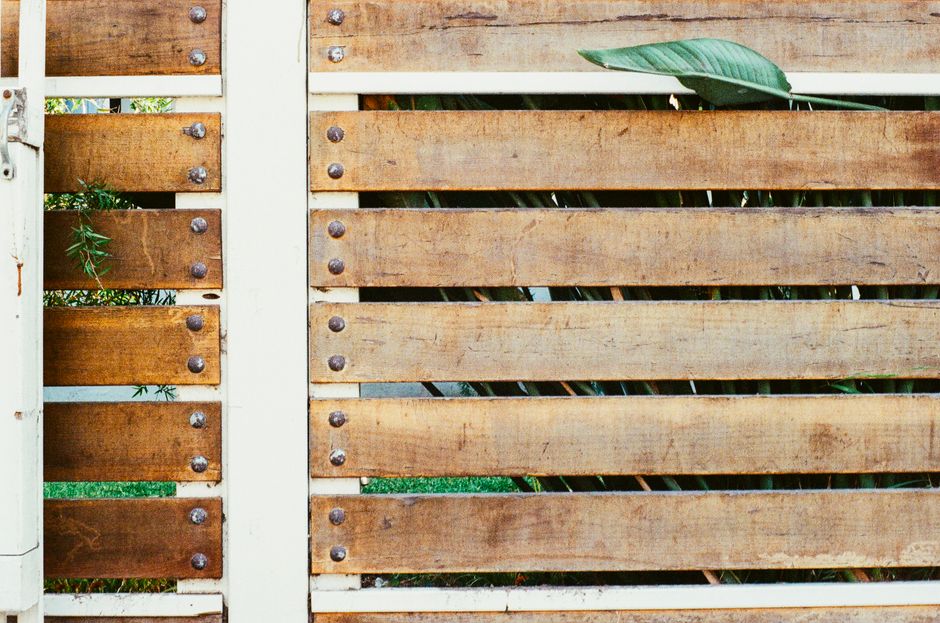
Privacy fence slat spacing typically ranges from 0 to 2 inches apart for maximum privacy. Zero spacing creates a solid barrier, while 1-2 inch gaps offer privacy with slight visibility and cost savings on materials. The choice depends on your privacy needs and budget. (Related: Cost breakdown and ROI calculator for converting sheds into home offices) (Related: Lumber Calculator: Estimate Board Feet & Costs Easily) (Related: Hollow Core vs Solid Core Door Pricing: Complete 2026 Guide) (Related: 5 Basement Ceiling Options: Drop vs Drywall vs Exposed Costs 2026) (Related: Complete Garage Door Replacement Pricing Guide for 2026) (Related: Home Renovation Cost Calculator Guide for Cardiff Homeowners)
Privacy Fence Slat Spacing: What You Need to Know
Before diving into outdoor privacy fence cost, understanding slat spacing is essential — it directly affects how many boards you buy and what you spend. A wood fence spacing guide helps you plan accurately so you’re not over- or under-ordering materials.
What is the best spacing for privacy fence slats?
The best spacing for privacy fence slats depends on your primary goal:
- 0-inch spacing (solid board-on-board or dog-ear style): Maximum privacy and wind blocking. No visibility from either side. Requires the most material and carries the highest cost per linear foot.
- 1-inch spacing: A popular middle ground. Offers roughly 90% privacy while reducing material costs by approximately 10–15%. Air flows more freely, which can extend fence life by reducing wind pressure load.
- 2-inch spacing: Works well for semi-private fences or decorative yard borders. Material savings are noticeable but privacy drops significantly at certain angles.
For a standard 6-foot privacy fence using 6-inch-wide pickets with zero spacing, you need roughly 2 pickets per linear foot. Adding a 1-inch gap reduces that to about 1.85 pickets per foot — a small but meaningful difference across a full yard perimeter.
According to the EPA’s guidance on green building practices, using sustainably sourced wood and optimizing material quantities are both key strategies for reducing the environmental impact of residential construction projects.
Material Cost Breakdown by Fence Type
Outdoor privacy fence cost varies widely by material. Here’s a straightforward breakdown of the most common options to help you run the numbers with any fence material cost calculator.
Wood Privacy Fences
Wood remains the most popular choice for privacy fencing. Expect these approximate costs per linear foot for materials only:
- Pressure-treated pine: $8–$14 per linear foot
- Cedar: $12–$20 per linear foot
- Redwood: $18–$28 per linear foot
Cedar and redwood resist rot and insects naturally, which lowers long-term maintenance costs. Pressure-treated pine costs less upfront but may require staining or sealing every 2–3 years.
Vinyl Privacy Fences
Vinyl fencing costs more upfront — typically $18–$35 per linear foot for materials — but requires almost no maintenance over its lifespan. No painting, staining, or treating. For homeowners calculating a 10–20 year total cost of ownership, vinyl often wins on value.
Composite Privacy Fences
Composite fencing blends wood fiber and recycled plastic. Material costs run $20–$40 per linear foot. It resists rot, insects, and UV damage better than natural wood, and many composite products use post-consumer recycled content — aligning with EPA sustainable materials management principles for residential projects.
Aluminum and Metal Privacy Fences
True solid-panel aluminum privacy fencing costs $25–$50 per linear foot in materials. It’s durable and rust-resistant but less common for full privacy applications compared to wood or vinyl.
Quick Cost Comparison Table
| Material | Cost Per Linear Foot (Materials) | Maintenance Level |
|---|---|---|
| Pressure-Treated Pine | $8–$14 | Moderate |
| Cedar | $12–$20 | Low-Moderate |
| Vinyl | $18–$35 | Very Low |
| Composite | $20–$40 | Low |
| Aluminum | $25–$50 | Very Low |
How to Calculate Your Privacy Fence Project Cost
How much does it cost to build a privacy fence?
A complete privacy fence project — materials plus professional installation — typically costs between $20 and $75 per linear foot, depending on material choice, fence height, and local labor rates. For a standard 150-linear-foot yard perimeter, that translates to a total project cost range of roughly $3,000 to $11,250.
Here’s the step-by-step calculation methodology most contractors use:
- Measure your perimeter: Walk your yard and measure the total linear footage you plan to fence. Don’t forget to subtract gate openings (typically 4–6 feet each).
- Calculate picket quantity: Divide linear footage by picket width plus your chosen gap. For 6-inch pickets with a 1-inch gap: 150 feet ÷ 0.583 feet per picket = approximately 257 pickets. Add 10% for waste and cuts.
- Calculate post quantity: Posts are typically spaced 6–8 feet apart. For 150 linear feet at 8-foot spacing: approximately 20 posts. Add one for each corner and gate.
- Calculate rails: Standard 6-foot privacy fences use 2–3 horizontal rails per panel. Multiply panel count by rails needed.
- Add hardware and concrete: Budget $3–$6 per post hole for concrete and approximately $1–$2 per linear foot for fasteners, caps, and miscellaneous hardware.
Labor costs typically add $10–$30 per linear foot on top of materials, varying significantly by region and fence complexity.
How to Use the Calculator
Rather than running all these numbers by hand, use the fence calculator at DIYCalculator.net to get an accurate material estimate in minutes. Enter your perimeter length, fence height, picket width, and preferred slat spacing — the calculator handles the rest, including waste factor adjustments and post spacing recommendations. It’s the fastest way to build a reliable materials list before you head to the lumber yard or request contractor quotes.
Frequently Asked Questions
Does slat spacing affect outdoor privacy fence cost significantly?
Yes, but modestly. Switching from zero spacing to 1-inch spacing on a 150-foot cedar fence saves roughly 10–15 pickets, translating to $60–
- Privacy Fence Slats & Boards — Directly relevant to the post’s focus on fence materials and slat spacing options
- Fence Post Level & Installation Tools — Essential tools for DIY fence installation, complementing the cost guide for homeowners planning their project
- Wood Stain & Sealant for Fences — Maintenance and finishing products that extend fence lifespan and are relevant to budget-conscious DIY fence builders
See also: Complete Guide to Garden Trellis & Arbor Costs in 2026
See also: Complete Guide to Grading and Drainage Cost in 2026
Related: Solar vs Electric Outdoor Lighting Costs: Complete 2026 Guide