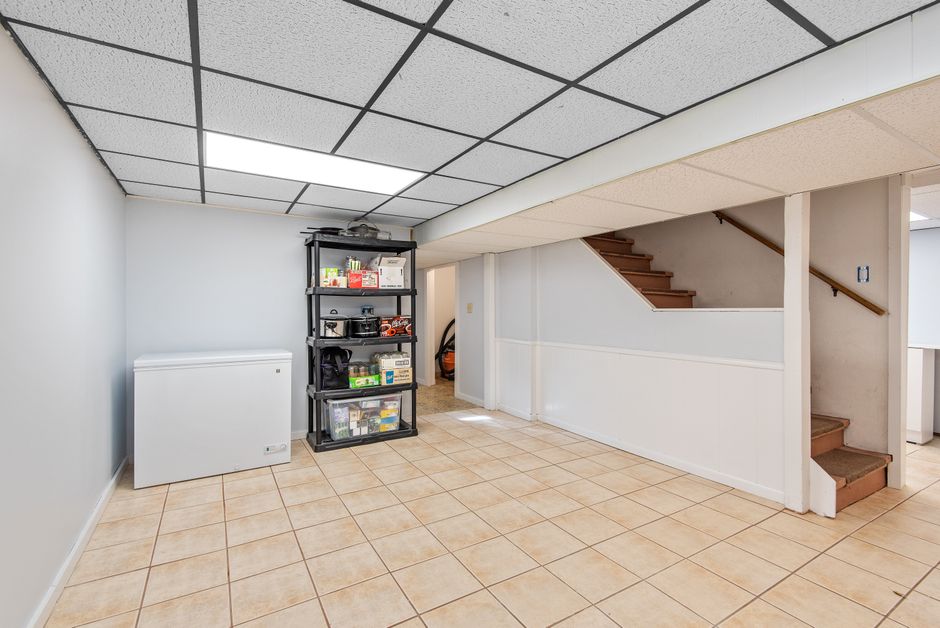
Basement ceiling costs range from $1 to $5 per square foot for exposed beams, $2 to $5 per square foot for drop ceilings, and $3 to $7 per square foot for drywall. Drop ceilings offer the easiest utility access, drywall delivers the cleanest finish, and exposed beams cost least but require the most prep work. (Related: Cost breakdown and ROI calculator for converting sheds into home offices) (Related: Lumber Calculator: Estimate Board Feet & Costs Easily) (Related: Hollow Core vs Solid Core Door Pricing: Complete 2026 Guide) (Related: Home Renovation Cost Calculator Guide for Cardiff Homeowners) (Related: Complete Guide to Chimney Repair Cleaning Costs by Season 2026) (Related: Basement Waterproofing Costs 2026: The Complete Interior vs Exterior Guide)
Drop Ceiling vs. Drywall vs. Exposed Beams: Full Cost Breakdown
Choosing a basement ceiling is one of those decisions that feels small until you’re staring at your renovation invoice. I’ve been through two major home projects since refinancing my student loans freed up cash flow, and I’ll tell you — the ceiling choice alone can swing your total basement budget by thousands. Let’s dig into the real numbers.
Drop Ceiling (Suspended Ceiling) Costs
Drop ceilings remain the most popular choice for finished basements, and for good reason. A suspended grid system with standard 2×4 tiles typically runs $2 to $5 per square foot installed, meaning a 600-square-foot basement ceiling lands between $1,200 and $3,000.
Premium acoustic tiles push that toward $5 to $8 per square foot. The acoustic benefit is real — quality drop ceiling tiles can reduce sound transmission significantly, which matters if you’re building a home theater or a playroom beneath a busy kitchen.
Key cost factors for drop ceilings:
- Grid system materials: $0.50–$1.50 per square foot
- Standard tiles: $0.75–$2.50 per square foot
- Acoustic or specialty tiles: $2–$6 per square foot
- Labor: $1–$2 per square foot
- Lighting integration: $50–$150 per recessed panel
The biggest win with drop ceilings? You keep access to pipes, ductwork, and electrical panels without demo work. That alone can save hundreds in future maintenance calls.
Drywall Ceiling Costs
Drywall gives you that polished, finished-room look that drop ceilings can’t quite replicate. Expect to pay $3 to $7 per square foot installed, or $1,800 to $4,200 for that same 600-square-foot basement.
The cost jump over drop ceilings comes from labor intensity. Hanging drywall on a ceiling requires more skill, more fasteners, and significantly more finishing work — taping, mudding, and sanding before you ever pick up a paint roller.
Drywall ceiling cost components:
- Drywall sheets (1/2-inch): $12–$18 per 4×8 sheet
- Furring strips or framing: $0.50–$1.50 per square foot
- Joint compound, tape, fasteners: $0.25–$0.75 per square foot
- Labor (hanging + finishing): $2–$4 per square foot
- Primer and paint: $0.50–$1.50 per square foot
One thing many homeowners miss: drywall ceilings in basements may require moisture-resistant “green board” drywall, especially if your space has any humidity history. That bumps material costs by 15–25% but is absolutely worth it to avoid mold remediation bills later.
Exposed Beam Ceiling Costs
The exposed beam or “industrial” look is having a serious moment in interior design — and it’s also the budget-friendliest option when done right. Raw exposed ceilings can cost as little as $1 to $3 per square foot, primarily covering cleaning, painting, and any necessary insulation work.
However, “leaving it exposed” isn’t always free. Here’s what you may still need to budget:
- Cleaning and degreasing joists: $150–$400 for a typical basement
- Spray paint or stain (for joists and subfloor above): $200–$600 in materials
- Spray foam insulation between joists: $1.50–$3.50 per square foot
- Electrical routing and conduit for cleaner wire runs: $300–$800
- Pipe and duct painting: $100–$300
According to the EPA’s guidance on indoor air quality and moisture control, properly addressing insulation and vapor barriers in basement spaces is critical regardless of which ceiling finish you choose. Exposed ceilings make insulation gaps much easier to spot and address — a genuine practical advantage.
Which Basement Ceiling Option Is Right for Your Budget?
Here’s my honest take after crunching these numbers for dozens of DIY projects: your decision should hinge on three factors — your budget, your access needs, and your ceiling height.
Choose drop ceiling if: You have utilities running through the space you’ll need to access, your ceiling height is at least 7.5 feet (drop ceilings eat 3–4 inches), and you want a DIY-friendly weekend project.
Choose drywall if: You want maximum resale value, your mechanical systems are accessible through a utility room or crawlspace panel, and you’re comfortable hiring a finishing contractor.
Choose exposed beams if: You’re working with a tight budget, you love the industrial aesthetic, and your joists and subfloor are in genuinely good condition. According to EPA moisture prevention guidelines, checking for any existing mold or moisture damage on joists before going exposed is a non-negotiable first step.
For a 600 sq ft basement, here’s your quick comparison summary:
- Exposed beams: $600–$1,800 total
- Drop ceiling: $1,200–$3,000 total
- Drywall: $1,800–$4,200 total
How to Use the Basement Cost Calculator
Before you get even one contractor quote, run your numbers through the basement finishing cost calculator at DIYCalculator.net. Plug in your square footage, ceiling type preference, and regional labor rates to get a personalized estimate in under two minutes.
The calculator helps you compare all three ceiling types side-by-side so you can see exactly how much you’d save — or spend — by upgrading from exposed to drywall, or downgrading from drywall to a drop system. I always recommend running the numbers before setting your renovation budget, not after. Trust me on that one.
Related: basement ceiling options costs
Related: mudroom design cost guide
Frequently Asked Questions
Does a drop ceiling hurt home resale value?
Not significantly when installed well. Modern drop ceilings with quality tiles read as functional and finished to most buyers. Drywall does add slightly more perceived value, but the difference rarely justifies the
- Drop Ceiling Tiles and Grid System — Directly relevant to the post’s discussion of drop ceiling options; readers actively comparing ceiling solutions would benefit from seeing product options and prices
- Drywall Installation Tools Kit — Complements the drywall ceiling option discussed; DIY-focused readers planning basement projects would need these tools
- Basement Moisture & Humidity Control System — Essential companion purchase for any basement ceiling project; proper moisture management is critical before installing any ceiling type
Related: 7 Essential Landscaping Design Software Options in 2026: Free vs. Paid Comparison
Related: Basement Finishing Cost: Framing, Drywall & Flooring
Related: Ceiling Drywall Installation: Weight, Fasteners & Quantities
See also: Complete Guide to Garden Trellis & Arbor Costs in 2026
See also: Complete Guide to Grading and Drainage Cost in 2026
See also: Complete Outdoor Privacy Fence Cost Guide: Slat Spacing & Materials 2026
See also: Complete Garage Door Replacement Pricing Guide for 2026
See also: Mulch Calculator: The Complete Guide to Calculating Mulch for Your Garden Beds
See also: Roofing Calculator: Estimate Shingles & Costs Easily