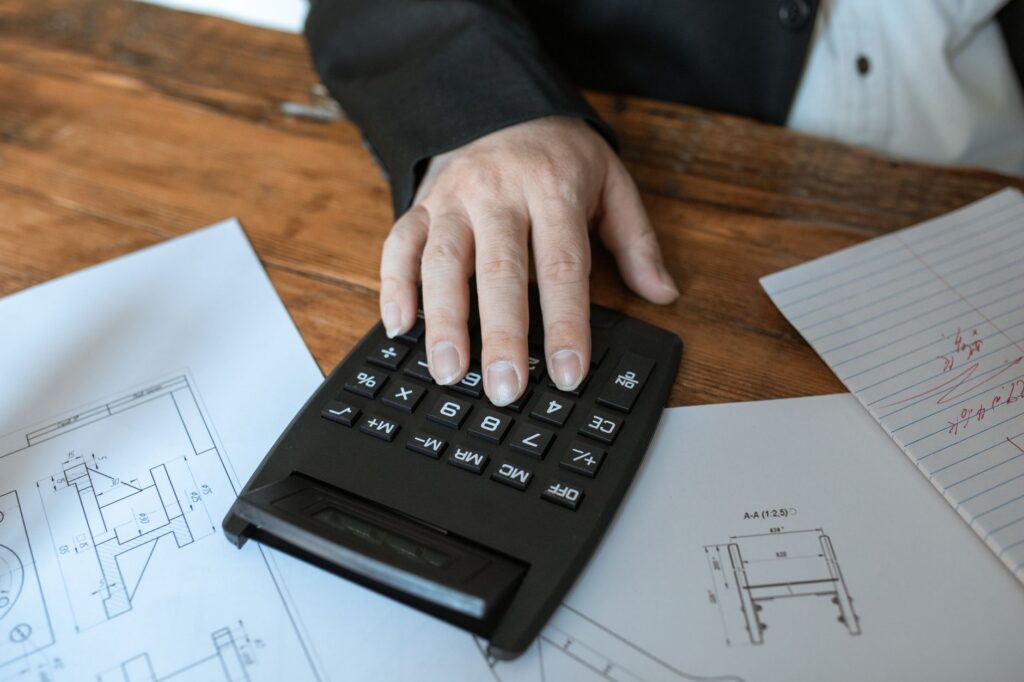
The Complete Guide to Using a DIY Calculator for Your Home Improvement Projects
Whether you’re planning a kitchen renovation, building a deck, or refreshing your bathroom, accurate cost estimation is crucial to staying on budget and completing your project successfully. A DIY calculator is an essential tool that helps homeowners, contractors, and builders determine material quantities, labor costs, and project timelines without expensive guesswork. This comprehensive guide explains what DIY calculators are, how to use them effectively, and why they should be your first step before starting any home improvement project.
What Is a DIY Calculator and Why You Need One
A DIY calculator is a digital tool designed to help you estimate costs, quantities, and specifications for home improvement projects. Instead of manually calculating square footage, material needs, or labor estimates, these calculators automate the process and provide instant, accurate results. Whether you’re a first-time DIYer or an experienced contractor, using a DIY calculator saves time, reduces costly mistakes, and helps you understand project scope before breaking ground.
Most homeowners underestimate project costs by 20-30% when they skip the planning phase. A DIY calculator removes this guesswork by accounting for waste factors, regional pricing variations, and material-specific requirements. For example, if you’re estimating drywall for a 400-square-foot room, a calculator accounts for seams, cuts, and typical 10% waste, ensuring you order the right amount rather than too little or too much.
Types of DIY Calculators Available
DIY calculators come in many forms, each specialized for different project types. Understanding which calculator fits your needs ensures you get the most relevant estimates for your specific work.
Paint and Flooring Calculators determine how much paint you need based on room dimensions and surface area. They typically account for two coats and suggest coverage rates of 300-400 square feet per gallon. Flooring calculators help estimate laminate, hardwood, tile, or vinyl quantities needed, including waste percentages ranging from 5-15% depending on the material and layout complexity.
Construction Material Calculators help estimate concrete, lumber, insulation, and roofing materials. A concrete calculator for a 10×12 foot patio with 4-inch depth tells you exactly how many cubic yards to order, accounting for depth variations and waste. Lumber calculators convert board feet estimates to actual pieces needed, helping you avoid over-ordering expensive materials.
Project Cost Estimators break down total expenses by material and labor, giving you a complete budget picture. These calculators often include regional price adjustments since material costs vary significantly between geographic areas—lumber costs more in Alaska than in Ohio, for example.
Tile and Brick Calculators account for grout lines, cuts, and pattern layouts. They’re especially useful for complex tile patterns where waste percentages can jump to 20-25%, compared to simple straight layouts with 10% waste.
How to Use a DIY Calculator Effectively
Using a DIY calculator correctly requires attention to detail and understanding your project scope. Start by measuring your space accurately. For a kitchen renovation, measure length, width, and height of walls. For flooring projects, calculate total square footage including closets and adjoining spaces.
Gather information about your specific materials before inputting data. If you’re planning tile work, know whether you want 12×12 inch tiles, 18×18 inch tiles, or a mixed pattern—tile size dramatically affects waste calculations. For paint projects, determine if you’re painting drywall, previously painted surfaces, or textured walls, as each requires different coverage rates.
Input your measurements, select material specifications, and let the calculator process your data. Most tools display results in seconds, showing material quantities, estimated costs, and sometimes labor hour estimates. Compare results across multiple calculators if available, as different tools may use varying waste percentages or pricing databases.
Always add a 10-15% contingency buffer to calculated costs. Projects frequently encounter hidden issues—water damage behind walls, outdated electrical systems, or structural repairs—that weren’t apparent during initial planning. A $5,000 bathroom renovation estimate becomes a realistic $5,750 budget with contingency built in, preventing budget surprises.
Cost Estimates and Real-World Examples
Understanding typical project costs helps you evaluate whether calculator estimates seem reasonable. A basic bathroom renovation typically costs $8,000-$15,000, including fixtures, tile, paint, and labor. A DIY calculator might estimate $3,000-$4,000 for materials alone, with labor costs varying based on your location and whether you hire professionals.
Kitchen projects run higher—national averages range from $15,000 for modest updates to $75,000 for full renovations. Material costs alone for a mid-range kitchen update (new countertops, sink, and fixtures) typically run $4,000-$8,000. A DIY calculator helps you understand where expenses concentrate, allowing you to make smart choices about where to splurge versus economize.
Flooring projects vary widely by material choice. Vinyl plank flooring costs $2-$5 per square foot installed, while hardwood runs $8-$15 per square foot. A 300-square-foot room might need $600-$1,500 in vinyl or $2,400-$4,500 in hardwood. Calculators help you compare material costs instantly and understand the financial impact of upgrading from vinyl to laminate to hardwood.
Exterior projects like deck building cost $15-$30 per square foot for pressure-treated wood or $25-$45 per square foot for composite materials. A 200-square-foot deck ranges from $3,000 to $9,000 depending on material selection—a calculator helps you see these cost differences clearly before committing to materials.
Tips for Maximizing Your DIY Calculator Results
Round up your measurements slightly to account for future adjustments. If your room is 12 feet 2 inches, use 12.25 feet in the calculator rather than rounding down to 12. This ensures you have adequate material for unforeseen cuts or adjustments.
Research local material pricing before finalizing calculator estimates. National average prices built into most calculators may not reflect your specific region. Call local suppliers for concrete, lumber, or specialty tile pricing to verify calculator results align with actual costs you’ll pay.
Factor in seasonal pricing fluctuations. Lumber prices vary throughout the year, with spring typically bringing higher costs due to increased building demand. Winter months often offer better deals on building materials as construction activity slows.
Account for project complexity when interpreting labor estimates. A simple rectangular room paint job takes fewer hours than a room with multiple architectural features, niches, or crown molding. Detailed bathroom tile work requires more time than basic drywall installation.
Frequently Asked Questions
Can I rely completely on DIY calculator estimates?
DIY calculators provide excellent baseline estimates, but they work best as planning tools rather than absolute guarantees. Regional pricing variations, material availability, and unforeseen project complications mean actual costs may differ by 5-15% from calculator results. Always add contingency and verify local pricing before finalizing budgets.
What’s the most common DIY calculator mistake?
Underestimating waste and not accounting for mistakes is the biggest error homeowners make. Most calculators include standard waste percentages, but complex layouts, complicated cuts, or learning curve mistakes can increase actual waste to 15-20%. Ordering an extra 10-15% of materials beyond calculator recommendations prevents project delays.
How accurate are labor hour estimates in DIY calculators?
Labor estimates vary significantly based on contractor experience, project difficulty, and regional labor rates. Calculator labor hour estimates typically assume average efficiency and standard conditions. Your actual timeline may be 20-30% longer if you’re learning as you go or encounter unexpected complications.
Should I use separate calculators for different materials in one project?
Yes, using specialized calculators for each material type produces more accurate results than general estimators. A comprehensive bathroom project should use separate tile, paint, flooring, and fixture cost calculators rather than relying on one general bathroom renovation calculator.
How do I account for project changes after using a calculator?
Track any specification changes and re-run the calculator with updated measurements and material selections. If you change from ceramic tile to porcelain midway through planning, recalculate to understand the cost impact. Most calculators allow quick adjustments, making it easy to compare different material options instantly.
Conclusion
A DIY calculator transforms home improvement planning from overwhelming guesswork into manageable, data-driven decisions. By accurately estimating material quantities, costs, and project scope, you eliminate surprises, stay within budget, and complete projects more efficiently. Whether you’re tackling a simple paint refresh or a major kitchen renovation, taking time to use a DIY calculator upfront saves money, stress, and time throughout the project.
Use Our Free DIY Calculator
Stop guessing about project costs and material quantities. Head to our free DIY calculator on diycalculator.net to instantly generate detailed estimates for your next home improvement project. Get specific dollar amounts for materials, labor hour projections, and waste calculations tailored to your exact specifications. Whether you’re planning a small bathroom refresh or a major kitchen renovation, our calculator delivers the accurate cost breakdowns and shopping lists you need to move forward confidently. Try it today and take the first step toward budget-friendly, successful home improvement.