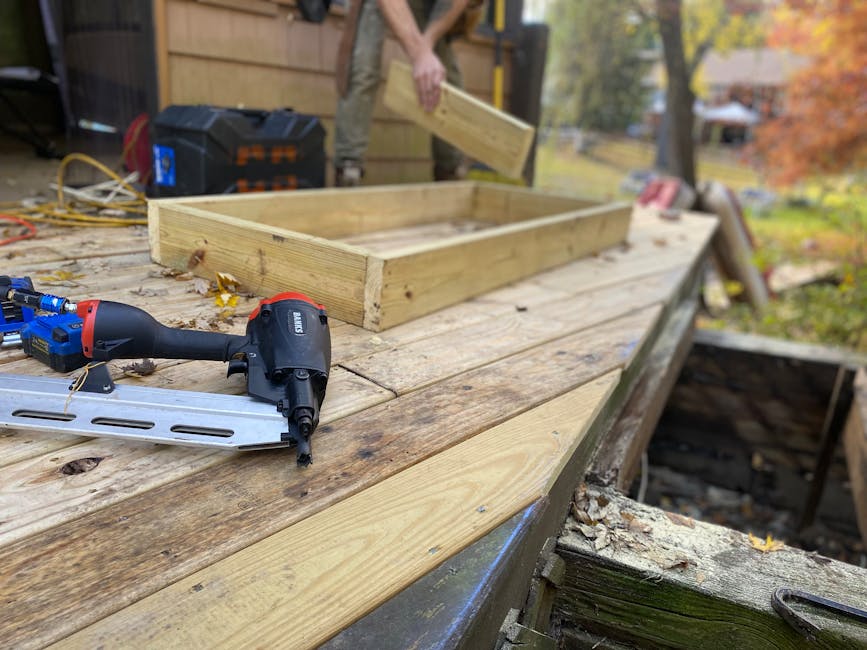
Deck building remains one of the most popular home improvement projects in North America, and for good reason — a well-built deck adds livable outdoor space, boosts curb appeal, and delivers strong return on investment at resale. But deck costs vary enormously based on size, materials, design complexity, and local labor markets. This guide breaks down the cost drivers, gives you real 2026 price benchmarks, and shows you how to use a deck building cost calculator to get an accurate estimate before you commit to a budget.
Average Deck Costs in 2026: The Baseline Numbers
Based on current material and labor pricing across U.S. markets, here are realistic cost ranges for deck construction in 2026:
- Pressure-treated wood deck: 5–5 per square foot installed
- Cedar deck: 5–5 per square foot installed
- Composite decking (mid-grade): 5–5 per square foot installed
- Composite decking (premium brand): 5–0 per square foot installed
- Hardwood (Ipe, Tigerwood): 0–0 per square foot installed
For a typical 300–400 sq ft deck (a common size for a suburban backyard), this translates to a total project cost range of roughly ,000 to 2,000 depending entirely on material choice and project complexity.
How to Use a Deck Cost Calculator
A deck building cost calculator takes the guesswork out of estimating. To get an accurate output, you’ll need to input several key measurements and specifications:
- Deck dimensions: Length and width in feet gives you total square footage
- Deck height: Ground-level decks cost less than elevated decks requiring railings, stair stringers, and longer posts
- Material choice: Pressure-treated, cedar, composite, or hardwood — this is the single biggest cost variable
- Number of stairs: Each stair section (typically 3–4 steps) adds 50–00 depending on material and width
- Railing linear feet: Railings are priced per linear foot, typically 0–0/lf for wood rails and 0–50/lf for aluminum or cable rail systems
- Local labor rates: Labor typically accounts for 40–60% of total deck installation cost
Breaking Down Deck Material Costs
Understanding where your money goes helps you make smart trade-offs. Here’s a typical cost breakdown for a 400 sq ft composite deck in 2026:
- Decking boards (surface material): 35–45% of material cost
- Framing lumber (joists, beams, ledger board): 20–25% of material cost
- Posts and footings (concrete + post hardware): 15–20% of material cost
- Railing system: 15–25% of material cost (higher percentage for cable or aluminum rail)
- Fasteners, joist hangers, hardware: 5–8% of material cost
Opting for a premium composite decking surface while keeping the framing in pressure-treated lumber is a common cost-saving strategy that doesn’t sacrifice the long-term low-maintenance benefits of composite at the surface level.
Factors That Drive Deck Costs Up
Several project-specific factors can push your deck cost well above the base per-square-foot estimates:
- Second-story or elevated decks: Post heights over 8 feet require engineering in most jurisdictions and significantly more material. Expect to add 30–50% to base costs.
- Complex shapes: L-shaped, multi-level, or wraparound decks involve more cuts, more framing labor, and higher waste factors on decking boards
- Permits and inspections: Most municipalities require a building permit for decks over a certain size (often 30 sq ft or attached decks of any size). Permit fees range from 00 to 00+ depending on your location
- Demo of existing structure: If you’re replacing an old deck, add 00–,000 for tear-out and disposal
- Site access challenges: Difficult access (fenced yards, narrow gates, steep slopes) increases labor costs
- Built-in features: Pergolas, built-in benches, planter boxes, outdoor kitchens, and lighting all add meaningful cost
Pressure-Treated vs. Composite: The Real Cost of Ownership
The upfront price difference between pressure-treated and composite decking can be significant — often 0–0 per square foot more for composite. But a full lifecycle cost comparison often favors composite:
- Pressure-treated wood: Low upfront cost, but requires annual cleaning, re-staining or sealing every 2–3 years, board replacement as wood splits and checks over time. Lifecycle maintenance cost over 20 years can equal or exceed the upfront composite premium.
- Composite decking: Higher upfront cost, but typically requires only occasional cleaning with soap and water. Most premium composite brands carry 25–30 year fade and stain warranties.
If you plan to own your home for more than 5–7 years, composite is often the better financial decision when total lifecycle cost is factored in.
DIY vs. Hiring a Contractor
Labor typically represents 40–60% of total deck installation cost. An experienced DIYer with basic carpentry skills can absolutely build a ground-level deck and save thousands. However, consider these factors before committing to a self-build:
- Most jurisdictions still require permits and inspections even for DIY builds
- Elevated decks (over 30 inches from ground) carry significant safety risk if framing is incorrect — consider hiring for anything elevated
- Many composite decking manufacturers void their warranty if installation doesn’t follow their specific guidelines — read the spec sheet before starting
- Tool rental for a 400 sq ft deck (post hole digger, miter saw, impact driver) adds 00–00 to your DIY cost
Quick Deck Size Reference: Common Projects and Estimated Costs
- Small patio deck, 10×12 ft (120 sq ft) — pressure-treated: ,000–,500 installed
- Standard backyard deck, 16×20 ft (320 sq ft) — composite: 4,000–2,000 installed
- Large entertaining deck, 20×30 ft (600 sq ft) — composite: 5,000–5,000 installed
- Multi-level deck with stairs and pergola, 400 sq ft — composite: 0,000–5,000 installed
These ranges reflect 2026 material and labor pricing in typical U.S. markets. High cost-of-living metro areas (California, New England, Pacific Northwest) will land at the top of these ranges or above; rural and lower cost-of-living markets will come in at the lower end.
Use our free DIY calculator to get accurate material estimates for your next home improvement project.
- Deck Building and Design Software — Complements the cost calculator by helping users visualize and plan their deck projects before construction
- Pressure Washer for Deck Maintenance — Essential tool for maintaining decks after construction, relevant to homeowners who’ve invested in deck building
- Deck Fasteners and Hardware Kit — Direct complement to deck building projects, helping readers source materials they’ll need based on cost estimates
Related: 7 Essential Deck Post Spacing Rules for 2026 Building Code Compliance
Related: Deck Building Cost and Material Calculator with Timeline Estimates