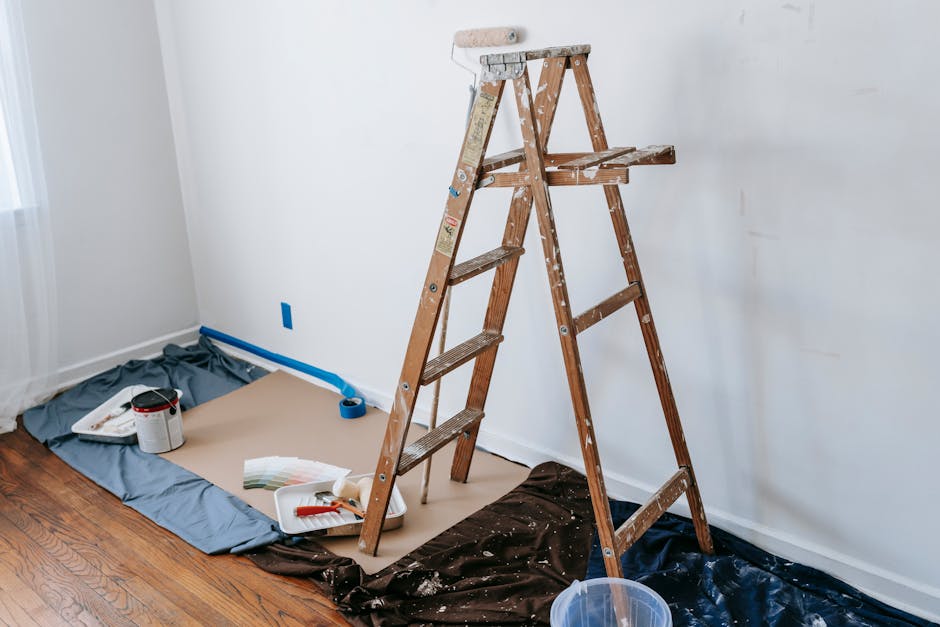
Every year, millions of homeowners pick up a brush when the weather shifts — and almost half of them buy too much or too little paint. A reliable paint calculator eliminates that guesswork before you ever set foot in the store. Whether you’re refreshing your home’s exterior in the spring, tackling an interior makeover during the summer, or sealing up outdoor surfaces before winter arrives, calculating your paint needs accurately is the single best way to stay on budget and on schedule.
Why Seasonal Timing Matters for Your Paint Calculator Estimate
Paint doesn’t behave the same way in every season. Temperature, humidity, and daylight hours all influence how much paint you’ll actually use, how many coats you’ll need, and how long each coat takes to dry. Understanding these factors helps you adjust the raw numbers a calculator gives you.
Spring (March–May): The Most Popular Window
Spring offers moderate temperatures (50°F–85°F) that fall squarely within the application range for most latex and acrylic paints. This is the ideal time for exterior projects because surfaces have dried out from winter moisture but haven’t started baking in summer heat. Keep these specifics in mind:
- Coverage rates hold steady. At 60°F–75°F, a standard gallon of exterior latex covers roughly 350–400 square feet per coat on smooth siding. You can trust your calculator’s baseline estimate.
- Pollen is real. If you’re painting in April, plan for a quick rinse of surfaces before the final coat. This doesn’t change your paint volume, but it adds 1–2 hours of project time per wall.
- Daylight advantage. Increasing daylight gives you 10–12 usable painting hours, meaning you can apply two coats in a single day and reduce the risk of overnight dew ruining a tacky surface.
Summer (June–August): Speed and Heat Challenges
Summer seems perfect, but high temperatures create real problems. When surfaces exceed 90°F, paint dries before it can level properly, leading to visible brush marks and reduced coverage — sometimes dropping to 300 square feet per gallon on sun-baked wood.
- Add 10–15% to your paint estimate if you’re painting dark-colored exteriors in direct sunlight during peak summer. The fast evaporation means thinner film build per coat.
- Start early. Paint the sun-facing walls before 10 a.m. or after 4 p.m. to stay within the optimal temperature window.
- Interior projects shine. Air-conditioned rooms at 68°F–72°F deliver textbook coverage rates. A gallon of interior eggshell latex covers 350–400 square feet on primed drywall — right at the calculator’s standard number.
Fall (September–November): The Closing Window
Fall is your last reliable shot at exterior painting in most of the U.S. Temperatures are dropping, and you’re racing shorter days. Here’s what changes:
- Dry time doubles below 50°F. A coat that dries in 2 hours at 70°F can take 4–6 hours at 50°F. Plan for one coat per day instead of two.
- Moisture matters more. Morning dew and earlier sunsets mean surfaces stay damp longer. Check wood moisture content with a $25 pin meter — anything above 15% means the paint won’t adhere properly, and you’ll waste product.
- Buy the same quantity but schedule more days. Your paint calculator estimate doesn’t change much for fall, but your project timeline should stretch by 30–50%.
Winter (December–February): Interior-Only Territory
Unless you live in a consistently warm climate, winter is for indoor painting. The good news: interior conditions are predictable, so calculator estimates are highly accurate.
- Keep rooms at 60°F–75°F and maintain ventilation. A cracked window and a box fan prevent fume buildup and help paint cure evenly.
- Low humidity is your friend. Winter air inside heated homes often sits at 25–35% relative humidity, which promotes fast, even drying. Expect standard coverage of 350–400 sq ft per gallon on smooth walls.
- Primer saves money. If you’re covering a dark color with a lighter one, tinted primer at $20–$30 per gallon covers in one coat and reduces your finish-paint requirement by a full coat — saving $35–$50 per gallon of premium paint you don’t have to buy.
How to Measure Your Room for the Paint Calculator
Accurate input produces accurate output. Here’s the quick method that works every time:
- Walls: Measure the length of each wall in feet and multiply by the ceiling height. A standard 12 ft × 10 ft room with 8-foot ceilings has a total wall area of (12 + 10 + 12 + 10) × 8 = 352 square feet.
- Subtract openings: A standard door is about 21 square feet. A standard window is about 15 square feet. That room with two windows and one door drops to 352 − 21 − 30 = 301 square feet of paintable surface.
- Ceiling: Simply multiply length × width. That same room has a 120 sq ft ceiling — roughly one-third of a gallon for a single coat.
- Two coats are non-negotiable for a professional-looking finish. Double your single-coat estimate. For the room above, that’s about 602 sq ft of coverage needed, or roughly 2 gallons of wall paint.
Real Cost Estimates by Season and Project
Here’s what typical homeowners spend on paint alone (not labor or supplies) in 2024:
- Single bedroom (walls + ceiling, 2 coats): 2–3 gallons at $30–$50/gallon = $60–$150
- Full interior (3-bedroom home, ~1,500 sq ft of wall): 8–10 gallons = $240–$500
- Exterior (1,800 sq ft home, 2 coats): 10–14 gallons of exterior paint at $35–$60/gallon = $350–$840
- Front door refresh (seasonal curb appeal): 1 quart of exterior satin or semi-gloss = $15–$25
Buying one extra gallon “just in case” is smart — it covers touch-ups and future scuffs. Buying three extra gallons because you guessed at your square footage is a $100+ mistake.
Stop Guessing — Use a Paint Calculator Before Your Next Project
No matter what season you’re painting in, the math doesn’t have to be hard. Plug your room dimensions into our free paint calculator at DIYCalculator.net, and you’ll get an instant estimate for gallons needed, total cost, and coverage per coat. It takes 30 seconds and can save you a return trip to the store — or worse, a half-finished wall and an empty can. Try it now and start your next painting project with confidence.