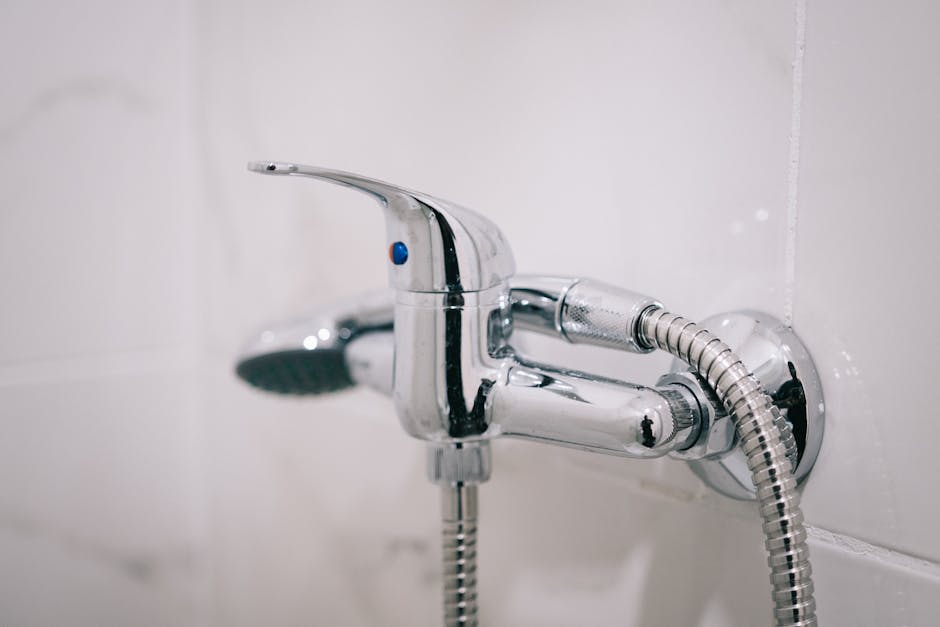
Plumbing fixture costs vary widely: basic faucets range $50–$200, quality bathroom sinks cost $150–$600, and rough-in labor typically runs $150–$300 per fixture. Professional installation adds 15–30% to material costs. Use a cost calculator to estimate your specific project budget.
Average Plumbing Fixture Costs by Type
When planning a bathroom renovation or kitchen upgrade, understanding plumbing fixture pricing is essential. The price you’ll pay depends heavily on quality, brand, and finish. Budget faucets start around $50–$100, while mid-range options fall between $100–$300. Premium faucets with advanced features like touchless sensors or water-saving aerators can exceed $400.
For bathroom sinks, basic vessel or undermount styles cost $150–$300. Higher-end materials like natural stone or designer ceramics push prices to $400–$600 or beyond. Kitchen sinks vary similarly, with stainless steel options typically ranging $200–$500 depending on gauge and configuration.
Toilets represent another major fixture category. Standard two-piece models cost $150–$300, while dual-flush or soft-close options run $300–$500. Luxury bidet toilets can exceed $1,000. Shower fixtures and trim packages typically cost $300–$800 for quality installations.
Faucet Pricing: Kitchen vs Bathroom
Kitchen and bathroom faucets serve different purposes, which explains their pricing differences. Kitchen faucets generally cost more because they handle higher water volume and require more durable construction. A quality kitchen faucet cost ranges from $150–$400, with commercial-style options reaching $600+. These faucets endure frequent daily use and benefit from reinforced valve seats and pull-down sprayers.
Bathroom faucets are typically smaller and less complex, making them more affordable. A standard faucet installation cost for bathroom fixtures starts at $75–$200 for the fixture alone. However, widespread models with elegant finishes cost $250–$400. Chrome and brushed nickel finishes are most affordable, while oil-rubbed bronze and matte black styles command premium pricing.
The installation process differs too. Kitchen faucets usually require more complex plumbing adjustments, especially if you’re upgrading from a single-handle to a pull-down model. This complexity affects labor costs, which we’ll explore in the rough-in section below.
Sink Costs and Installation Options
Beyond the faucet itself, bathroom sink prices form the second component of your fixture investment. You have several installation options, each with distinct cost implications.
Drop-in sinks are the most budget-friendly, costing $100–$250. They sit on top of the vanity with the rim visible, making installation straightforward. Undermount sinks cost $200–$400 and create a seamless countertop look but require professional installation and vanity modification.
Vessel sinks represent a design-forward option priced $150–$500. They sit atop the countertop like a decorative bowl and require a taller faucet. Pedestal sinks cost $200–$600 and provide a vintage aesthetic while saving space—perfect for small bathrooms.
Wall-mounted sinks, popular in commercial spaces and modern homes, range $250–$600. These require reinforced wall studs and professional installation but maximize floor space. Concrete or custom sinks can exceed $1,000 but deliver unique, personalized designs.
Rough-in Labor Costs Explained
The term plumbing rough-in labor refers to installing the water supply and drain lines before fixtures are connected. This foundational work is crucial for any plumbing project. What is the average cost of plumbing rough-in labor? Most professionals charge $150–$300 per fixture, though rates vary by region and complexity.
A simple bathroom sink rough-in—running supply lines and drain pipes—typically costs $150–$250. Multiple fixtures in one project (toilet, shower, sink) may cost $400–$800 total because plumbers can coordinate the work efficiently. Kitchen sink rough-in is often pricier at $200–$300 because it may require larger drain lines for garbage disposals.
Accessibility matters significantly. If plumbing is hidden behind walls, rough-in labor increases. Accessible rough-in work (visible in basements or crawl spaces) costs less because there’s no drywall removal or patching. Older homes often require more labor due to outdated pipe materials or difficult layouts.
How much does it cost to install a new faucet? Once rough-in work is complete, faucet installation labor typically costs $75–$150 per fixture. This includes connecting supply lines, testing for leaks, and final adjustments. If rough-in work requires modifications, total labor climbs higher.
DIY vs Professional Installation Savings
Many homeowners consider DIY installation to save money. Here’s the realistic breakdown: you’ll save 15–30% on labor costs if you tackle fixture installation yourself. However, rough-in work requires permits and specialized knowledge—attempting this without experience risks code violations and expensive repairs.
For simple faucet replacement where rough-in already exists, DIY is reasonable. You’ll need basic tools: an adjustable wrench, bucket, and Teflon tape. Most people complete this in 30–60 minutes. Sink removal and installation is slightly more complex but manageable for confident DIYers.
Rough-in work demands professional expertise. Improper slope on drain lines causes clogs; incorrect sizing on supply lines causes pressure issues. Municipal inspectors will catch code violations, requiring expensive corrections. Professional plumbers understand local codes and obtain necessary permits, protecting your investment.
The smart approach: hire professionals for rough-in work, then handle fixture installation yourself if comfortable. This hybrid method saves 10–15% compared to full professional installation while ensuring code compliance.
How to Use the Calculator
Estimating your total plumbing project cost becomes simple with our bathroom renovation calculator. Enter your fixture choices, quantity, and labor preferences, and the tool instantly shows your projected budget.
You can also explore our home improvement cost calculator for broader renovation planning that includes plumbing alongside other upgrades.
For kitchen-focused projects, use our kitchen remodel cost calculator to see how plumbing fixtures fit into your overall kitchen budget. These tools account for regional labor variations and material price fluctuations to give you accurate, personalized estimates.
How to Estimate Your Total Plumbing Project Cost
Calculate your complete project budget by adding three components: fixture costs + rough-in labor + installation labor. Here’s an example:
- Kitchen faucet: $250
- Sink: $300
- Rough-in labor: $200
- Installation labor: $100
- Total: $850
For bathroom renovations with multiple fixtures (sink, toilet, shower), expect $1,500–$4,000 depending on fixture quality and labor complexity.
Don’t forget contingency funds (10–15% of total budget) for unexpected issues like corroded pipes or wall damage discovered during rough-in work. These surprises happen frequently in older homes and can significantly impact your final cost.
FAQ
Are plumbing fixture prices
Recommended Resources:
- Moen Bathroom Faucet Collection — Directly matches the blog’s discussion of faucet costs ($50-$200 range); readers planning fixture replacements will find quality mid-range options
- Kohler Undermount Bathroom Sink — Aligns with the bathroom sink cost discussion ($150-$600); popular brand for renovation projects covered in the post
- Pipe Wrench & Plumbing Tool Kit — Complements the post’s focus on DIY cost estimation; tools help readers understand labor-saving opportunities and rough-in work mentioned in the article
- Moen Bathroom Faucet Collection — Directly matches the blog’s discussion of faucet costs ($50-$200 range); readers planning fixture replacements will find quality mid-range options
- Kohler Undermount Bathroom Sink — Aligns with the bathroom sink cost discussion ($150-$600); popular brand for renovation projects covered in the post
- Pipe Wrench & Plumbing Tool Kit — Complements the post’s focus on DIY cost estimation; tools help readers understand labor-saving opportunities and rough-in work mentioned in the article
Related: Ultimate Guide to Plumbing Fixture Costs in 2026
Related: Plumbing Fixture Costs: Budget Your Faucets & Sinks