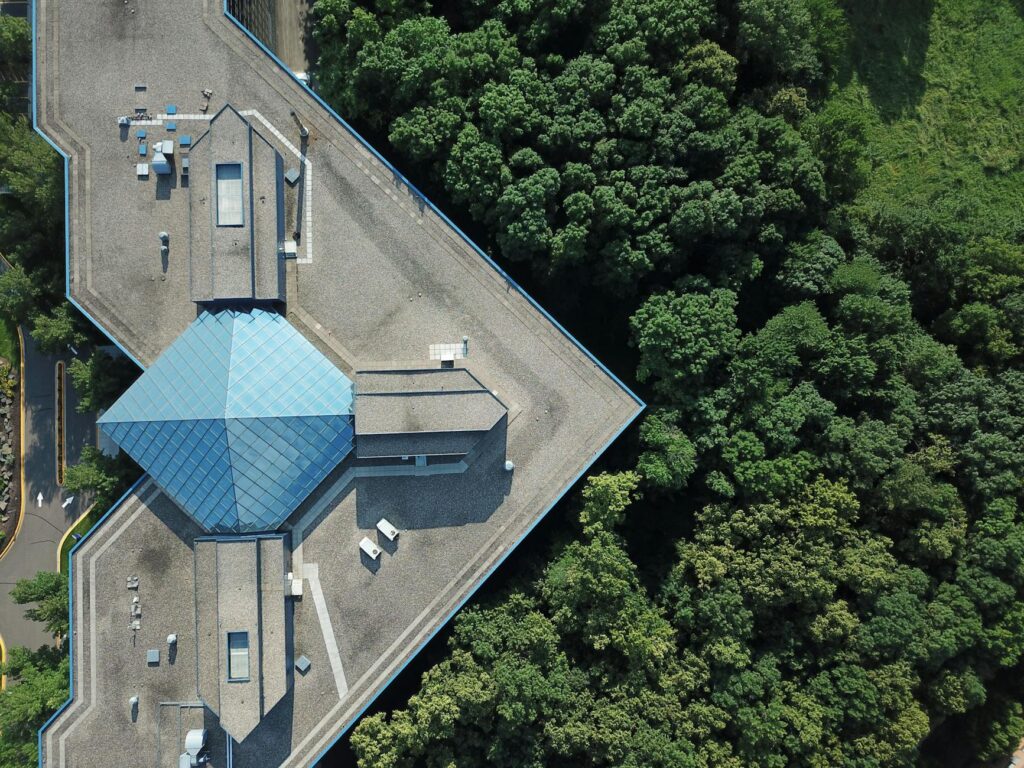
Flat Roof vs Pitched Roof: Replacement Cost Comparison 2025
Flat roof replacement typically costs $3,000–$15,000 for a standard residential home, while pitched roofs run $8,000–$25,000+ depending on materials and complexity. The choice between these roofing styles significantly impacts your long-term maintenance costs, energy efficiency, and home value. Understanding the cost differences helps you make an informed decision for your property.
Flat Roof Replacement Costs & Considerations
Flat roofs are increasingly popular for modern homes, commercial buildings, and additions. The replacement cost typically ranges from $3 to $12 per square foot, translating to $3,000–$15,000 for most residential properties.
Material Options for Flat Roofs:
- EPDM (Rubber): $2–$4 per square foot—most affordable and durable for 20–30 years
- TPO (Thermoplastic): $3–$5 per square foot—reflective, energy-efficient, lasts 15–20 years
- PVC: $4–$7 per square foot—chemical-resistant, longest lifespan (20–30 years)
- Built-up Tar & Gravel: $2–$6 per square foot—traditional option, requires ongoing maintenance
- Modified Bitumen: $2.50–$5.50 per square foot—flexible, good for temperature fluctuations
Flat roofs offer several advantages: easier installation, lower labor costs, and the ability to add usable space like patios or green roofs. However, they require more frequent inspections (twice yearly) because water pooling can lead to leaks if drainage is compromised. Installation typically takes 1–3 days, and labor costs average $50–$150 per hour depending on your region.
Pitched Roof Replacement Costs & Considerations
Pitched roofs dominate residential neighborhoods and handle water drainage naturally. Replacement costs range from $8 to $25+ per square foot, translating to $8,000–$25,000 for standard homes, with high-end materials reaching $30,000–$50,000.
Material Options for Pitched Roofs:
- Asphalt Shingles: $3–$8 per square foot—most common, 15–25 year lifespan, budget-friendly
- Metal Roofing: $8–$15 per square foot—durable (40–70 years), excellent weather resistance, energy-efficient
- Wooden Shakes/Shingles: $8–$20 per square foot—aesthetic appeal, requires regular maintenance, 20–40 year lifespan
- Clay/Concrete Tiles: $12–$25 per square foot—longest lifespan (50+ years), heavy, expensive installation
- Slate: $15–$30+ per square foot—premium option, can last 100+ years, requires specialized installation
Pitched roofs excel at water drainage, require less frequent maintenance (annually or as needed), and provide better attic ventilation for temperature control. The steeper the pitch, the more labor-intensive installation becomes, increasing costs by 10–20%. Pitch affects both aesthetic appeal and structural considerations—steeper roofs cost more to install and repair due to safety equipment and complexity.
Key Cost Factors & Long-Term Savings
Several variables influence your final roofing replacement cost:
1. Roof Size & Pitch Angle
Larger roofs cost more simply due to material volume. For pitched roofs, steeper angles (8/12 pitch or higher) increase labor expenses. A contractor calculates roof size in “squares” (100 square feet per square), so know your home’s square footage to estimate accurately.
2. Existing Roof Condition
Removing old roofing typically adds $1–$3 per square foot. If structural damage exists underneath, add $500–$2,000+ for repairs. Some contractors offer tear-off packages; others charge separately.
3. Regional Labor Rates & Climate
Coastal areas with hurricane codes, snow-heavy regions, and urban centers charge premium labor rates (up to $200+ per hour). Harsh climates may require reinforced installation, increasing costs 15–30%.
4. Warranty & Longevity
Premium materials offer extended warranties (25–50 years) that reduce replacement frequency. A $20,000 pitched roof lasting 50 years costs $400 annually, while a $8,000 flat roof lasting 20 years costs $400 annually—similar lifetime costs, different upfront investment.
5. Energy Efficiency & Tax Credits
Reflective roofing materials (TPO, metal, light-colored shingles) lower cooling costs by 15–25% in hot climates. Some states offer tax credits or rebates for energy-efficient roofing—verify with your local government.
How to Calculate Your Roofing Costs
To estimate your replacement costs accurately, you’ll need basic information about your roof’s dimensions and current condition. Our roofing replacement cost calculator helps you input your roof size, material type, and labor rates to generate a detailed cost estimate specific to your project and region.
Using a calculator saves time and provides a professional baseline for contractor quotes. Enter your roof dimensions (length × width of each section), select your material choice, and adjust for local labor costs to see realistic pricing before calling contractors.
Flat vs. Pitched: Final Decision Matrix
Choose a Flat Roof if:
- Budget is your priority ($3,000–$15,000 is acceptable)
- You want usable space for HVAC units, solar panels, or patios
- Your climate is dry with low rainfall
- Installation timeline matters (faster completion)
Choose a Pitched Roof if:
- You live in high-rainfall or snowy regions
- You prefer minimal ongoing maintenance
- You want maximum home value appreciation
- You’re planning to stay 20+ years (justifies premium materials)
FAQ
How often should each roof type be replaced?
Flat roofs typically need replacement every 15–25 years, depending on material and maintenance. Pitched roofs last 20–50+ years based on material choice. Asphalt shingles average 20 years, while metal and tile roofs can exceed 50 years. Regular maintenance extends all roof lifespans by 5–10 years.
Can I install a pitched roof over a flat roof?
Yes, structural modifications are possible but expensive. You’d need to add roof joists, create proper pitch angles, and
- Roofing Material Sampler Kit — Helps homeowners compare and evaluate different roofing materials before making a replacement decision
- Roof Inspection and Measurement Tools — Essential for DIY assessment of roof condition and accurate measurements needed for cost estimates
- Home Depot Pro Membership or Lowes Contractor Program — Provides discounts on bulk roofing materials and supplies, helping homeowners save on replacement project costs
Related: Asphalt Shingles vs Metal Roofing: 2025 Cost Comparison
Related: Asphalt Shingles vs Metal Roofing: 2025 Cost Comparison