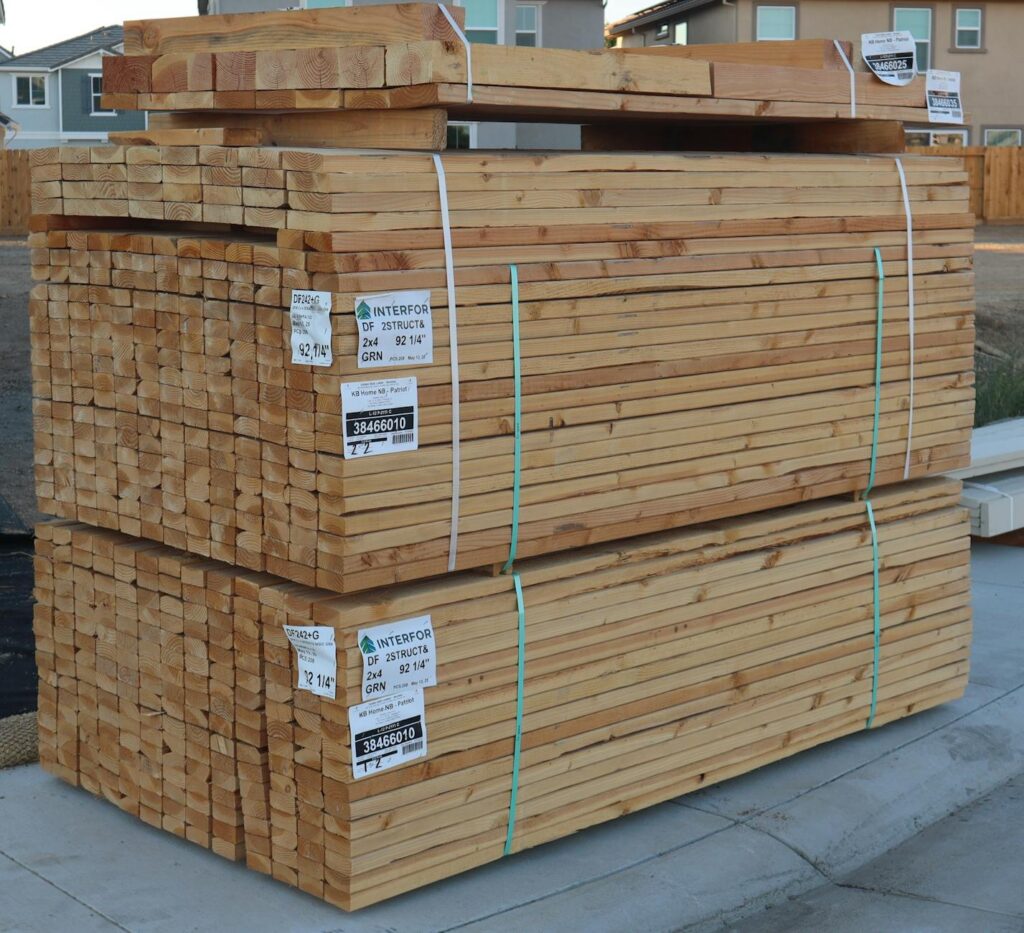
A lumber calculator takes the guesswork out of estimating how much wood you need for any project. By calculating board feet accurately, you can save money on materials and avoid multiple trips to the hardware store. Whether you’re building a deck, fence, or bookshelf, this essential tool ensures you purchase the right amount of lumber the first time.
Understanding Board Feet Measurements
Board feet is the standard unit used in the lumber industry to measure wood volume. One board foot equals a piece of wood that’s 12 inches long, 12 inches wide, and 1 inch thick. This measurement helps standardize pricing and quantity estimates across different lumber dimensions.
The formula for calculating board feet is straightforward: (Length in inches × Width in inches × Thickness in inches) ÷ 144 = Board Feet. Understanding this calculation is crucial because lumber pricing varies significantly based on board feet rather than simple linear measurements.
For example, a 2×4 board that’s 8 feet long contains 5.33 board feet. A 1×10 board at 12 feet long contains 10 board feet. These variations explain why you can’t simply multiply length by count—you need to factor in the actual thickness and width of each board.
Professional builders and contractors rely on board feet calculations to create accurate material lists and budget estimates. When you use a lumber calculator, it performs these conversions instantly, allowing you to focus on your project design rather than mathematical calculations.
Planning Your DIY Projects Accurately
Successful project planning begins with knowing exactly how much lumber you need. Before purchasing materials, sketch your project and identify all the wood components. List each piece with its dimensions: length, width, and thickness. This detailed approach prevents costly mistakes and material waste.
Consider the purpose of each board in your project. Structural components like support beams and framing require specific dimensions and grades of lumber. Finishing components like trim and shelving might use different species or thickness. A comprehensive inventory of all materials ensures you don’t forget hidden elements like bracing, blocking, or support structures.
Add 10-15% extra material to your calculations for waste, mistakes, and future repairs. This buffer accounts for cutting errors, wood movement, and damaged boards. Professional carpenters consistently add waste factors because wood is a natural material with variables in grain patterns and potential defects.
Lumber grade significantly affects both price and performance. Construction-grade lumber costs less than premium grades but may contain knots or slight warping. Select grades work better for visible components and finishing work. Understanding grade differences helps you choose appropriate materials for each project component, optimizing both budget and final results.
Common Project Scenarios and Estimates
Building a standard 12×16 foot deck typically requires 600-800 board feet of lumber, depending on joist spacing and board patterns. The primary structure uses larger dimension lumber like 2×8 or 2×10 boards for joists, while decking uses 2×6 or composite boards. Calculating each section separately—ledger boards, joists, rim boards, and decking—ensures accuracy.
A privacy fence for a quarter-acre lot might need 1,000-1,500 board feet depending on fence height and post spacing. Vertical boards make up most of this total, with horizontal rails and posts comprising the structural framework. Different fence styles—picket, board-on-board, or louvered—dramatically change material requirements.
Interior framing projects like building shelving units, closet organizers, or built-in bookcases use less lumber but require precision. A 6-foot tall bookcase with five shelves might use only 50-75 board feet, but accurate calculations prevent undersized shelves that can’t support weight or unsightly gaps in your finished project.
Outdoor structures like pergolas, sheds, or gazebos vary tremendously based on design and size. A simple 8×8 pergola might use 400 board feet, while a 12×16 shed requires 600-1,000 board feet. Complex curved designs or decorative elements increase lumber requirements significantly.
How to Use the Lumber Calculator
Using a lumber calculator simplifies material estimation for any project. Start by measuring your project components accurately, recording length, width, and thickness for each piece. Enter these dimensions into the calculator, and it instantly converts them to board feet.
Most lumber calculators allow you to input multiple pieces at once. You can calculate different board sizes separately—all your 2×4 boards together, then your 1×10 boards—and the calculator totals everything. This organization helps you create shopping lists organized by lumber size, making purchasing easier at the store.
The calculator displays results in board feet and often provides equivalent linear footage, making it easy to compare pricing methods at different suppliers. Some retailers sell lumber by the board foot, while others use linear foot pricing. The calculator helps you convert between these methods to find the best value.
For a comprehensive approach to your entire project, try our Framing Calculator, which helps you estimate materials for wall and roof framing, expanding beyond basic board foot calculations to give you a complete material list.
Frequently Asked Questions
What’s the difference between linear feet and board feet?
Linear feet measures only length, regardless of board width or thickness. Board feet accounts for all three dimensions (length, width, and thickness), providing the actual volume of wood. A 2×4 board that’s 8 feet long equals 5.33 board feet but 8 linear feet. Board feet is the standard for pricing lumber because it reflects actual material value.
Why should I add waste to my lumber calculations?
Adding 10-15% extra material accounts for cutting mistakes, wood defects, and future repairs. When you cut boards, some length becomes sawdust in the kerf. Boards may twist or warp as they dry. Some pieces might have knots or cracks that make them unsuitable for your project. Having extra material prevents project delays and frustration.
How do lumber grades affect my material choices?
Lumber grades range from premium clear grades to construction grades with knots and imperfections. Premium grades cost more but look better for visible components. Construction grades work fine for hidden framing where appearance doesn’t matter. Matching grade to application optimizes your budget while maintaining quality. Using construction-grade lumber for hidden blocking and premium grade for visible trim is a smart strategy.
- Measuring Tape (25ft Stanley FatMax) — Essential tool for accurately measuring lumber dimensions needed for the calculator; directly supports DIY project planning
- Wood Project Planning Software (SketchUp Free) — Complements the lumber calculator by helping users visualize projects and plan material needs before building
- Lumber/Wood Assortment Pack (2×4, 2×6 variety) — Natural follow-up purchase after users calculate exact lumber needs for their deck, fence, or bookshelf projects
Related: 5 Pressure Treated Lumber Grades for Every DIY Project in 2026
Related: How to Buy Lumber: Nominal vs Actual Dimensions
Related: Lumber Calculator: Estimate Board Feet & Costs Easily