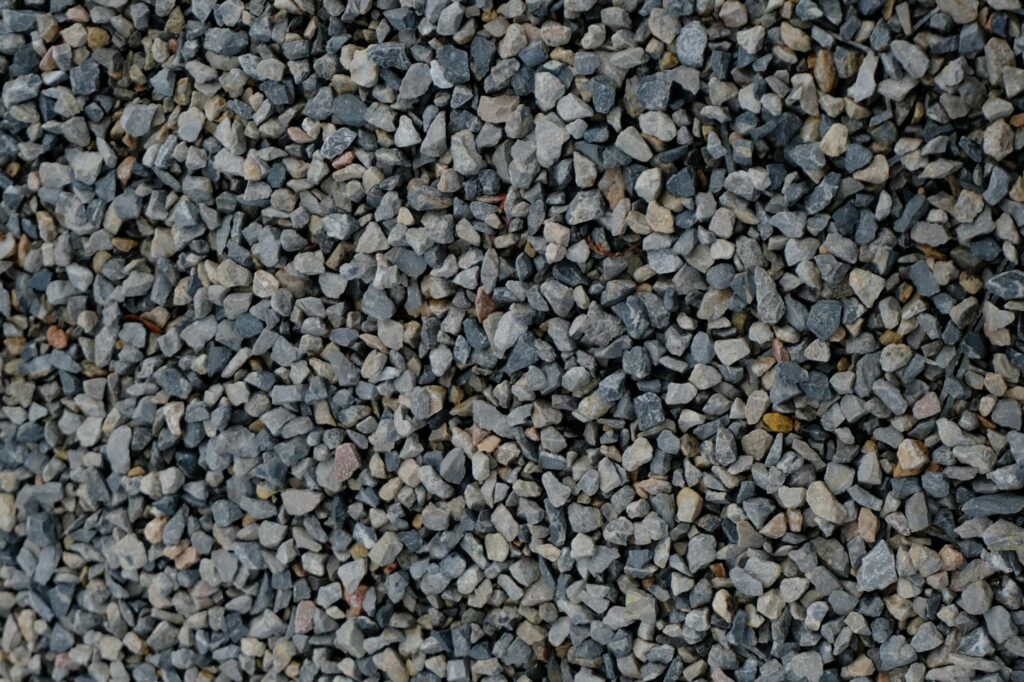
Crushed stone and pea gravel serve different purposes in landscaping and construction projects. Crushed stone offers superior drainage and stability for driveways and foundations, while pea gravel provides a comfortable, attractive surface for pathways and decorative areas. Your choice depends on your project’s specific requirements for durability, aesthetics, and budget.
Understanding the distinctions between these two materials is essential for making an informed decision. Crushed stone, also called crushed rock or angular rock, consists of jagged, irregular pieces with sharp edges. These sharp edges interlock with one another, creating a dense, stable foundation. Pea gravel, by contrast, features smooth, rounded stones typically ranging from half an inch to three-quarters of an inch in diameter. The smooth surface makes pea gravel comfortable to walk on but reduces its load-bearing capacity.
According to a 2023 landscape material survey by the National Association of Landscape Professionals, crushed stone is preferred for 67% of structural applications due to its compaction properties, while pea gravel dominates aesthetic landscaping projects at 71% market preference. Size variation also matters: crushed stone pieces range from dust particles to 2+ inches, while pea gravel maintains consistent sizing. This uniformity gives pea gravel a polished appearance but means it won’t compact as effectively under vehicle weight.
Drainage characteristics differ significantly too. Crushed stone’s angular shape allows water to flow quickly through gaps, making it ideal for areas prone to pooling. Pea gravel drains adequately but slower due to its rounded shape and denser packing.
Best Applications for Each Material
Crushed stone excels in structural and functional applications. Use it as a base layer for driveways, where vehicle weight demands a material that compacts and supports load. It’s your go-to choice for pathways in high-traffic areas, foundation bases, and under patios. Crushed stone also works well around French drains and in areas requiring excellent water management. The sharp edges prevent shifting under pressure, keeping your surface stable for years. Many contractors recommend a 4-6 inch layer of crushed stone as a base before adding surface materials like asphalt or pavers.
Pea gravel shines in decorative and comfort-focused projects. Create beautiful garden borders, design attractive pathways around flower beds, or build a comfortable play area for children. Pea gravel works wonderfully around pool decks because its smooth surface won’t scrape skin. Landscapers often use it as a top layer over crushed stone in upscale residential projects, combining the stability of stone below with the aesthetic appeal of pea gravel above. It’s also popular for xeriscaping and drought-resistant landscape designs because it conserves soil moisture while providing visual interest.
Climate considerations matter. In regions with freeze-thaw cycles, crushed stone performs better because its interlocking edges resist movement. Pea gravel can shift and settle more noticeably during winter months, requiring occasional raking and replenishment.
Cost Comparison and Material Selection
Pricing varies by location and supplier, but general ranges help with budgeting. Crushed stone typically costs between $1.50 and $3.00 per ton, while pea gravel ranges from $2.00 to $4.50 per ton. A typical project requiring 5 tons of material might cost $7.50 to $15.00 for crushed stone versus $10.00 to $22.50 for pea gravel. However, total project cost extends beyond material price.
Factor in labor and longevity. Crushed stone requires less maintenance—you won’t need to rake it regularly or add replacement material as often. Pea gravel demands periodic raking to maintain appearance and may need supplemental material annually due to displacement. Over a 5-year period, pea gravel projects might require 20-30% more maintenance time and material replenishment costs.
Consider your project timeline too. Crushed stone takes 2-3 weeks to fully compact and stabilize, while pea gravel is usable immediately after installation. If you need quick results, pea gravel wins. If durability and long-term cost savings matter most, crushed stone is the better investment for structural applications.
How to Use the Calculator for Your Project
Determining the exact amount of material you need prevents waste and saves money. Visit our gravel calculator to input your project dimensions and get precise material estimates. Simply enter your square footage and desired depth (typically 2-4 inches for decorative gravel, 4-6 inches for structural bases), and the calculator converts your needs into tons or cubic yards. This tool eliminates guesswork and helps you purchase the right quantity on your first order.
Frequently Asked Questions
Can I Mix Crushed Stone and Pea Gravel in the Same Project?
Yes, mixing these materials is a common professional practice. Many contractors layer crushed stone as a 4-inch base layer, then add 2-3 inches of pea gravel on top. This approach combines the structural benefits of crushed stone’s interlocking edges with the aesthetic appeal and comfort of pea gravel. Ensure the bottom layer compacts fully before adding the top layer to prevent mixing and settling issues.
How Often Do I Need to Replace Pea Gravel?
High-traffic areas may require topping up every 1-2 years as pea gravel naturally displaces and scatters. Decorative garden areas might need replenishment every 2-3 years depending on foot traffic and weather exposure. Crushed stone lasts significantly longer—often 3-5 years before needing any supplemental material—because its interlocking structure resists displacement. Using landscape fabric beneath either material extends the lifespan by preventing ground mixing.
Which Material Is Better for Pets and Children?
Pea gravel is safer for both. Its smooth, rounded edges won’t hurt children’s feet or irritate animal paws, and falling on pea gravel causes less injury than crushed stone. However, some pets may track pea gravel into your home more easily. Use pea gravel in play areas and pet zones, reserving crushed stone for functional areas like driveways and under-deck spaces where comfort isn’t a priority.
- Landscape Fabric and Landscape Staples — Essential for both crushed stone and pea gravel installations to prevent weed growth and maintain material separation
- Garden Rake and Shovel Set — Necessary tools for spreading, leveling, and maintaining both crushed stone and pea gravel in landscaping projects
- Gravel Estimator/Calculator Tool — Helps DIY users measure and calculate the correct amount of material needed for their specific project dimensions