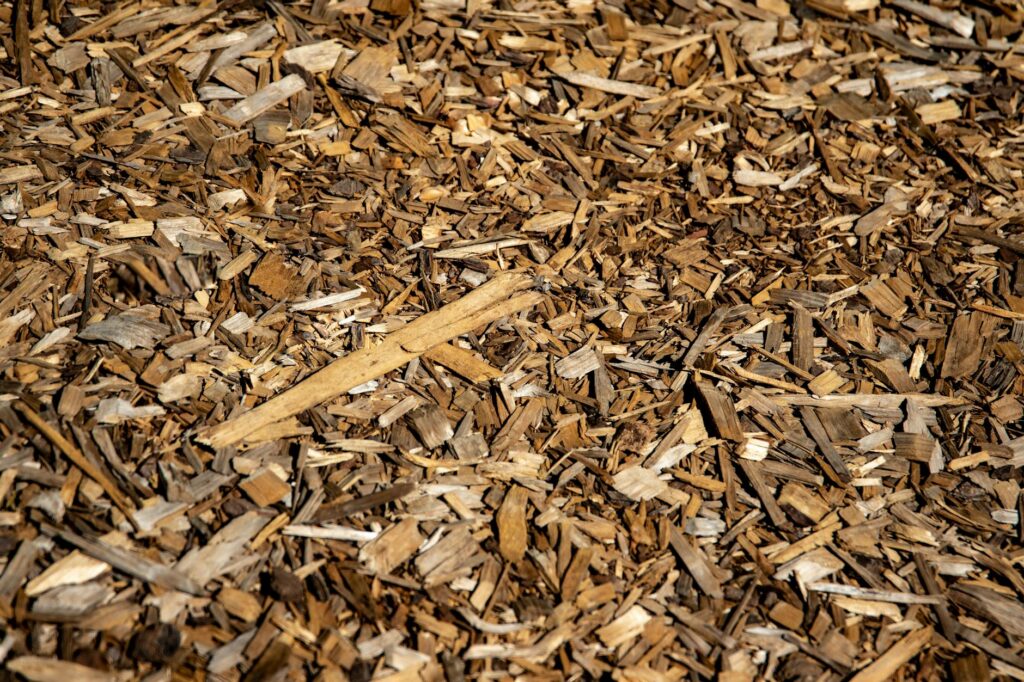
When it comes to purchasing mulch for your landscaping project, you have two primary options: buying individual bags or ordering bulk delivery. Bulk delivery is typically more cost-effective for larger projects and reduces the physical labor of hauling bags, while bagged mulch offers convenience and flexibility for smaller areas. Understanding the pros and cons of each option will help you make the best decision for your specific needs and budget.
Understanding Bagged Mulch
Bagged mulch is the most accessible option for homeowners, available at virtually every garden center, home improvement store, and online retailer. Each bag typically contains 2-3 cubic feet of mulch and weighs between 30-50 pounds, making it manageable for one person to handle. This option works exceptionally well for small to medium projects, such as mulching individual flower beds, foundation plantings, or container gardens.
The advantages of bagged mulch are significant for certain applications. You can purchase exactly what you need without waste, making it ideal if you’re unsure about your total coverage requirements. Bagged mulch also allows you to choose from various types—wood chips, shredded hardwood, cedar, pine, dyed mulch, and more—and you can mix different varieties across your landscape. Storage is simple; unopened bags can sit for months in a garage or shed. Additionally, there’s no waiting for delivery, and you can work at your own pace.
However, bagged mulch has notable drawbacks for larger projects. The cost per cubic yard is significantly higher than bulk options—typically 40-60% more expensive. If you need 10+ cubic yards, you’ll be handling dozens of bags, which becomes physically exhausting and time-consuming. Bagged mulch also settles more quickly than bulk mulch due to its compressed nature during packaging, meaning you may need more material than anticipated to achieve the same visual depth.
Benefits of Bulk Mulch Delivery
Bulk mulch delivery is the preferred choice for larger landscaping projects, new construction sites, and commercial applications. Suppliers deliver mulch by the cubic yard, typically in 5-20 yard quantities, using dump trucks that unload directly into your yard. This option provides exceptional value and convenience for substantial mulching needs.
The primary advantage of bulk delivery is cost savings. Bulk mulch prices run roughly 50-70% less per cubic yard than bagged alternatives. For a 500-square-foot area requiring 3 inches of mulch (approximately 4.5 cubic yards), bulk delivery could save you $75-150 compared to bagged options. There’s also no physical labor involved in carrying and spreading multiple bags; the truck handles the heavy lifting.
Bulk mulch also tends to be fresher and higher quality, especially if sourced from local landscape suppliers. The material hasn’t been compressed or sitting in storage for extended periods. You can inspect the mulch before delivery and request specific types. Many suppliers offer same-day or next-day delivery, and the material settles less than bagged mulch, providing better long-term coverage and appearance.
The main considerations with bulk delivery involve minimum order requirements (usually 5-10 cubic yards) and delivery fees ($50-150 depending on location and distance). You’ll need adequate yard access for the delivery truck, and placement options may be limited. Bulk mulch also requires immediate use; you can’t stockpile it indefinitely like bagged product. Weather conditions might affect delivery timing, and you’ll want to spread it promptly to prevent compaction or moisture issues.
Determining Your Mulch Coverage Needs
Accurate measurement is crucial for purchasing the right amount of mulch, whether bagged or bulk. The standard recommendation is 2-4 inches of mulch depth for landscape beds, with 3 inches being the sweet spot for most applications. More depth provides better weed suppression and moisture retention, while less than 2 inches offers minimal benefits.
To calculate your needs, measure the total square footage of areas to be mulched, then consult coverage charts. One cubic yard of mulch covers approximately 108 square feet at 3 inches depth, 162 square feet at 2 inches, or 81 square feet at 4 inches. It’s wise to add 10-15% extra to your calculation for settling and irregular areas.
For example, a 300-square-foot landscaping bed requiring 3-inch depth needs roughly 2.8 cubic yards. This breaks down to approximately 30-35 standard bags (at 2.5 cubic feet each) or one bulk delivery truck load. The choice becomes obvious: bulk delivery saves money and labor, while bagged mulch works fine for this mid-size project if bulk isn’t available.
How to Use the Mulch Calculator
Rather than struggling with measurements and conversions, take advantage of our mulch calculator to instantly determine your exact coverage needs. Simply input your area dimensions and desired mulch depth, and the calculator computes total cubic yards, bags needed, and approximate coverage. This eliminates guesswork and helps you decide between bagged and bulk options based on accurate quantities.
FAQ
When should I choose bagged mulch over bulk delivery?
Choose bagged mulch for small projects under 100 square feet, when you need multiple mulch types or colors in different areas, if you have limited truck access to your yard, or when you’re uncertain about exact quantities. Bagged mulch is also ideal if you want to work gradually without time pressure or need mulch year-round for touch-ups.
Is bulk mulch quality less consistent than bagged mulch?
Not necessarily. Bulk mulch from reputable landscape suppliers is often higher quality and more consistent than bagged options. The key is selecting a trusted local supplier. Bagged mulch can vary in quality and composition between manufacturers and storage batches. Inspect samples before committing to bulk orders, just as you would examine bagged products.
Can I blend bagged and bulk mulch for a project?
Yes, blending approaches works well for many situations. You might order bulk mulch for large foundation beds and purchase bags for smaller accent areas, different colored mulches, or future touch-ups. This hybrid approach balances cost savings with flexibility, though spreading multiple delivery types requires careful color matching and blending during application.
Related: mulch buying guide bags vs bulk
Related: vinyl plank flooring cost
Related: stair stringer calculator guide
Related: mulch calculator
Related: concrete calculator complete guide
Related: concrete calculator guide
Related: calculate concrete needed