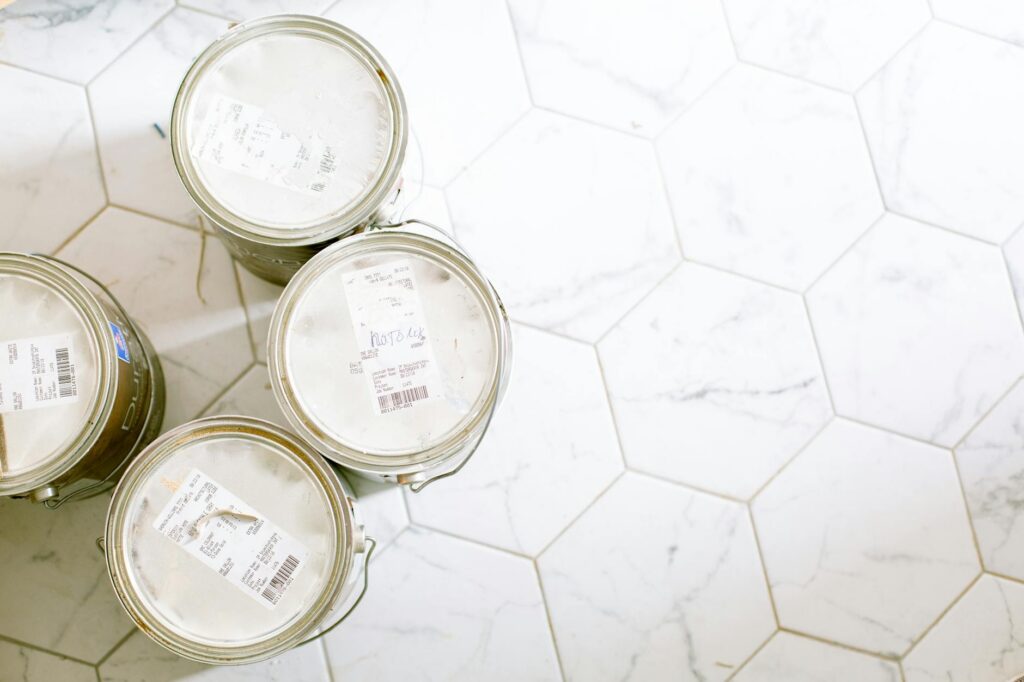
Figuring out how much paint you need is simpler than you might think. By calculating your room’s square footage and accounting for standard coverage rates, you can determine the exact number of gallons required before you shop. This guide walks you through the math and helps you avoid costly overbuying or frustrating return trips to the store.
Understanding Paint Coverage Rates
Paint coverage varies depending on the type and quality of paint you’re using. Most standard interior latex paints cover between 350 to 400 square feet per gallon, according to the Painting and Decorating Contractors of America (PDCA). This means one gallon spreads across that much wall area with a single coat of adequate coverage.
Several factors affect actual coverage:
- Surface texture: Textured or popcorn walls absorb more paint, reducing coverage to 250-350 sq ft per gallon
- Paint sheen: Flat finishes typically offer better coverage than glossy or semi-gloss varieties
- Color change: Painting over dark colors with light paint requires additional coats, increasing total paint needed
- Surface condition: Primed, smooth surfaces achieve better coverage than bare drywall
- Application method: Brush and roller application differs slightly from spray application efficiency
Always plan for two coats when calculating paint needs, especially when making dramatic color changes or painting over bold existing colors.
Calculating Paint Needed by Room Dimensions
The calculation process involves three simple steps: measure your walls, determine total square footage, then divide by coverage rate.
Step 1: Measure Wall Area
Measure the height and width of each wall in your room. Multiply height × width for each wall, then add all walls together. For example, a 12×15-foot room with 8-foot ceilings has:
- Wall 1: 12 ft wide × 8 ft high = 96 sq ft
- Wall 2: 15 ft wide × 8 ft high = 120 sq ft
- Wall 3: 12 ft wide × 8 ft high = 96 sq ft
- Wall 4: 15 ft wide × 8 ft high = 120 sq ft
- Total: 432 square feet
Subtract window and door areas if you want precision. Most painters skip this step since small openings don’t significantly impact the calculation.
Step 2: Account for Multiple Coats
Multiply your wall area by the number of coats. Two coats are standard: 432 sq ft × 2 = 864 sq ft of coverage needed.
Step 3: Divide by Coverage Rate
Divide your total coverage needed by the paint’s coverage rate per gallon. Using standard 375 sq ft per gallon paint:
864 sq ft ÷ 375 sq ft per gallon = 2.3 gallons
Round up to the nearest gallon: you’d need 3 gallons for this room with two coats.
Paint Calculator for Different Room Sizes
Here’s a quick reference chart for common room dimensions, assuming 8-foot ceilings, standard 375 sq ft per gallon coverage, and two coats:
| Room Size | Wall Area | With 2 Coats | Gallons Needed |
|---|---|---|---|
| 10×10 ft | 320 sq ft | 640 sq ft | 2 gallons |
| 12×12 ft | 384 sq ft | 768 sq ft | 2 gallons |
| 12×15 ft | 432 sq ft | 864 sq ft | 3 gallons |
| 15×15 ft | 480 sq ft | 960 sq ft | 3 gallons |
| 15×20 ft | 560 sq ft | 1,120 sq ft | 3 gallons |
| 20×20 ft | 640 sq ft | 1,280 sq ft | 4 gallons |
These estimates assume smooth, primed drywall with standard interior latex paint. Adjust upward if your walls are textured or you’re making significant color changes.
How to Use the Calculator
Rather than manually calculating each time, use our paint calculator tool to get instant results. Enter your room dimensions, select your paint type and coverage rate, specify the number of coats, and the calculator automatically determines gallons needed. This saves time and eliminates math errors, especially when calculating paint for multiple rooms in a single project.
The calculator also helps you compare costs between paint brands by adjusting coverage rates and seeing how quality differences impact the total gallons required.
Pro Tips for Accurate Paint Estimates
Buy slightly more than calculated. Paint manufacturers mix batches in slightly different shades. Buying one extra gallon ensures color consistency if you need touch-ups later. Unopened paint keeps for years when stored properly.
Test coverage on your walls. Before committing to the full project, paint a small test area and see how the coverage actually looks. This confirms whether the manufacturer’s stated coverage rate applies to your specific wall condition.
Consider primer separately. If priming bare drywall or making dramatic color changes, calculate primer coverage separately using the same method. Primer typically covers 300-350 sq ft per gallon.
Account for ceiling height. Rooms with 9, 10, or vaulted ceilings need more paint. Recalculate using actual ceiling height rather than standard 8-foot assumptions.
Frequently Asked Questions
How much does paint coverage vary between brands?
Quality matters significantly. Budget interior paints often cover 250-350 sq ft per gallon, while premium paints typically achieve 400-450 sq ft per gallon. Premium paint provides better color hiding power and durability, so you may use less despite higher per-gallon cost. Always check the specific coverage rate listed on your paint can rather than assuming standard coverage.
Do I need to calculate ceiling paint separately?
Yes, calculate ceiling paint separately since it requires different prep work and coverage considerations. Ceilings typically need only one coat of paint, while walls need two. Measure ceiling length × width to get square footage, then divide by coverage rate. Most 12×15-foot rooms require 1-2 gallons for ceiling paint.
What if I’m painting over a dark color with white paint?
Plan for three coats instead of two when making dramatic color transitions. This increases your total paint needs by approximately 50 percent. Alternatively,
- Rust-Oleum Professional Interior Paint — Readers calculating paint needs are actively planning a paint project and need quality paint products to purchase
- Paint Roller and Brush Set — DIY painters following this calculator will need application tools; complementary purchase for those estimating paint quantities
- Paint Tray and Liner Kit — Essential painting supplies for anyone preparing to paint rooms; fits naturally with the planning/preparation phase addressed in the post
Related: Calculator tool for estimating paint quantity needed for striped wall patterns
Related: How to Use the Paint Calculator: Avoid Costly Mistakes
Related: How to Measure for Paint: Walls, Trim, and Ceilings