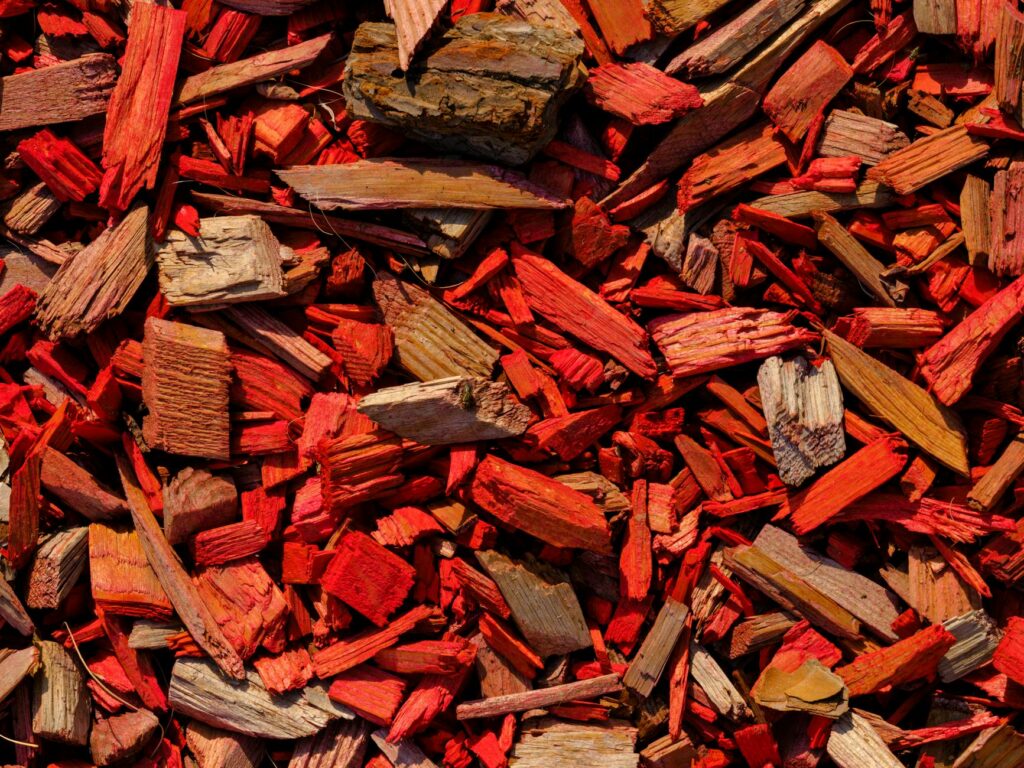
Planning a landscaping project requires careful calculation of materials, and mulch is one of the most important components of any garden or landscape design. Whether you’re refreshing a flower bed, protecting tree roots, or improving your yard’s curb appeal, knowing exactly how much mulch you need is essential for staying on budget and avoiding waste. A mulch calculator takes the guesswork out of material estimation and helps you plan your project with confidence.
Mulch serves multiple purposes: it retains soil moisture, regulates temperature, suppresses weeds, and adds visual appeal to your landscaping. However, calculating the right amount requires understanding your project’s dimensions, desired mulch depth, and material density. This comprehensive guide walks you through everything you need to know about mulch calculators and how to use them effectively for your next home improvement project.
What Is a Mulch Calculator and Why Do You Need One?
A mulch calculator is a tool designed to determine the exact volume and weight of mulch required for your landscaping project. Rather than manually measuring and calculating square footage and depth conversion formulas, these calculators streamline the process by requiring just a few basic measurements: the length and width of your garden bed (or radius if it’s circular) and the desired depth of mulch application.
Using a mulch calculator prevents several common mistakes. Underestimating material needs means additional trips to the garden center and project delays. Overestimating leads to wasted money and excess materials cluttering your yard. The average homeowner spends between $150 and $500 on mulch for seasonal landscaping projects, so accurate calculations directly impact your project budget.
Professional landscapers rely on these calculations daily, and now homeowners can access the same level of precision. A quality mulch calculator accounts for different measurement units, handles irregular garden bed shapes, and often provides cost estimates based on local pricing.
How to Measure Your Garden Bed for Mulch Calculation
Accurate measurements are the foundation of a reliable mulch calculation. Before you input any numbers into our free DIY calculator, you’ll need to measure your garden bed carefully.
For rectangular beds: Measure the length and width in feet or meters. For example, if your flower bed is 10 feet long and 4 feet wide, you’re working with 40 square feet of coverage area. Use a measuring tape and measure from the outside edges where mulch will be applied.
For circular or curved beds: Measure the radius (the distance from the center point to the edge). If you have a circular bed with a 3-foot radius, the calculator will use the formula for a circle’s area to determine coverage automatically.
For irregular shapes: Break the bed into simpler geometric sections. A kidney-shaped bed might be divided into a rectangle and a semicircle. Measure each section separately, and your calculator will add them together for the total area.
Mulch depth consideration: Most landscaping professionals recommend 2 to 3 inches of mulch for optimal performance. In hot climates, 3 inches helps with moisture retention. In cooler regions, 2 inches is often sufficient. Never apply mulch deeper than 4 inches, as this can trap moisture against tree trunks and cause rot.
Understanding Mulch Depth and Coverage Requirements
Mulch depth is critical for achieving the desired benefits. A 1-inch application provides minimal weed suppression, while 2 to 3 inches creates an effective barrier that blocks most weed seeds and reduces watering frequency by up to 25 percent. This depth difference significantly impacts your mulch volume calculations.
Consider your specific landscaping goals when selecting depth. For decorative flower beds, 2 inches offers visual appeal and adequate weed control. For tree and shrub bases, 3 inches provides superior insulation and moisture preservation. Foundation plantings benefit from consistent 2.5-inch coverage that prevents bare spots while avoiding direct contact with the house.
One cubic yard of mulch covers approximately 160 square feet at a 2-inch depth or 108 square feet at a 3-inch depth. A mulch calculator automatically handles these conversions, but understanding the relationship helps you verify results. If your garden bed is 100 square feet and you want 2.5 inches of coverage, you’ll need just over 0.5 cubic yards of mulch.
Mulch settles over time, so many landscapers recommend applying an initial layer slightly thicker than the target maintenance depth. Plan to refresh your mulch annually, adding 0.5 to 1 inch each year to maintain optimal depth and appearance.
Types of Mulch and How Density Affects Calculations
Different mulch types have varying densities, which impacts weight calculations and cost estimates. Understanding these differences ensures your calculator provides accurate pricing information.
Organic mulches: Shredded hardwood, shredded pine bark, and cedar chips are popular organic options. Hardwood mulch typically weighs 400 to 600 pounds per cubic yard, while cedar and pine are lighter at 300 to 500 pounds per cubic yard. Organic mulches break down over time, enriching soil but requiring annual replenishment.
Inorganic mulches: Rubber mulch and stone-based options are heavier and longer-lasting. Stone mulch weighs 1,000 to 1,500 pounds per cubic yard, and rubber mulch weighs 600 to 800 pounds per cubic yard. These materials won’t decompose, reducing maintenance but offering less soil enrichment.
Specialty mulches: Colored mulches, cypress, and cocoa hull mulch fall in between, weighing 400 to 700 pounds per cubic yard depending on material and moisture content. Specialty options cost more but provide distinctive aesthetics or specific benefits like cocoa mulch’s natural pest deterrent properties.
A comprehensive mulch calculator allows you to select your specific mulch type and provides weight estimates alongside volume. This information helps you plan delivery logistics and confirm your vehicle can handle the load if you’re transporting materials yourself.
Calculating Mulch Costs and Creating Your Budget
Mulch pricing varies significantly by region, season, and material type. In most areas, hardwood mulch costs between $25 and $50 per cubic yard, while premium options like cedar or colored mulch range from $40 to $75 per cubic yard. Stone mulch typically costs $20 to $40 per cubic yard but offers longer-term value due to durability.
A quality mulch calculator generates cost estimates by multiplying your required volume by local pricing data. For a 100-square-foot bed requiring 0.6 cubic yards at $35 per yard, you’d expect to spend approximately $21 in materials. Adding delivery fees of $25 to $75 depending on quantity and location brings your total to $46 to $96.
Budget-conscious homeowners should note that spring and early summer bring higher demand and pricing, while fall mulch costs are typically 10 to 20 percent lower. Larger projects qualify for volume discounts; calculating your exact needs helps you present this information to suppliers.
Consider the labor value of using a calculator. A professional landscape estimate might cost $50 to $100, and installation labor typically runs $0.50 to $1.00 per square foot. By using a mulch calculator and installing yourself, you save significantly on planning and installation costs.
Frequently Asked Questions
How many cubic yards of mulch do I need for a 200-square-foot garden bed?
For a 200-square-foot garden bed at a standard 2-inch depth, you’ll need approximately 1.23 cubic yards of mulch. At a 3-inch depth, you’ll require about 1.85 cubic yards. A mulch calculator automatically performs this conversion, ensuring accuracy without manual math.
Can I use a mulch calculator for irregularly shaped garden beds?
Yes, most mulch calculators handle irregular shapes by allowing you to input multiple measurements or break beds into simpler geometric sections. Divide complex shapes into rectangles, circles, and triangles, measure each section, and input the measurements separately for accurate total calculations.
How often should I add mulch to my garden beds?
Organic mulch decomposes and should be replenished annually with 0.5 to 1 inch of fresh material. Inorganic mulches like stone or rubber don’t decompose, so you’ll only need to add more if areas become bare or coverage shifts. A mulch calculator helps you determine refresh quantities each season.
What’s the difference between cubic yards and square feet in mulch calculations?
Square feet measures the area your mulch will cover, while cubic yards measures the volume of mulch material. A mulch calculator converts between these measurements automatically by factoring in depth. One cubic yard covers about 160 square feet at 2-inch depth or 108 square feet at 3-inch depth.
Is it cheaper to buy mulch at a garden center or have it delivered in bulk?
Bulk deliveries typically cost $25 to $50 per cubic yard, while bagged mulch at garden centers costs $3 to $5 per bag (about $50 to $100 per cubic yard). For projects requiring more than 2 cubic yards, bulk delivery is more economical. A mulch calculator helps you determine the quantity needed to justify bulk ordering.
Conclusion
A mulch calculator transforms landscaping project planning from guesswork into a precise, budget-friendly process. By accurately calculating volume, weight, and costs before you purchase materials, you avoid waste, stay within budget, and complete your project efficiently. Whether you’re working with a small flower bed or landscaping your entire yard, the insights from a proper mulch calculator provide confidence in your material estimates and help you present accurate budgets to contractors or suppliers.
The key to success is taking careful measurements, understanding your mulch type and desired depth, and using a reliable calculation tool. With
- Garden Mulch (Bulk or Bagged) — Direct product for DIY landscapers who’ve used the calculator to determine mulch quantities needed for their projects
- Landscape Fabric and Ground Cover — Complementary product commonly used alongside mulch in landscaping projects to prevent weeds and retain moisture
- Landscaping Tools Set (Shovel, Rake, Spreader) — Essential tools needed to apply mulch after calculating quantities, making it a natural next purchase for DIY landscapers
Related: Mulch Calculator: The Complete Guide to Calculating Mulch Needs for Your Landscaping Project
Related: Landscaping Mulch Buying Guide: Bags vs Bulk Delivery
Related: How to Use a Mulch Calculator: The Complete Guide to Calculating Mulch Coverage and Cost
Related: How to Use a Mulch Calculator: Complete Guide to Estimate Mulch Coverage and Cost
Related: How to Use a Mulch Calculator: Complete Guide to Calculate Mulch Coverage and Cost