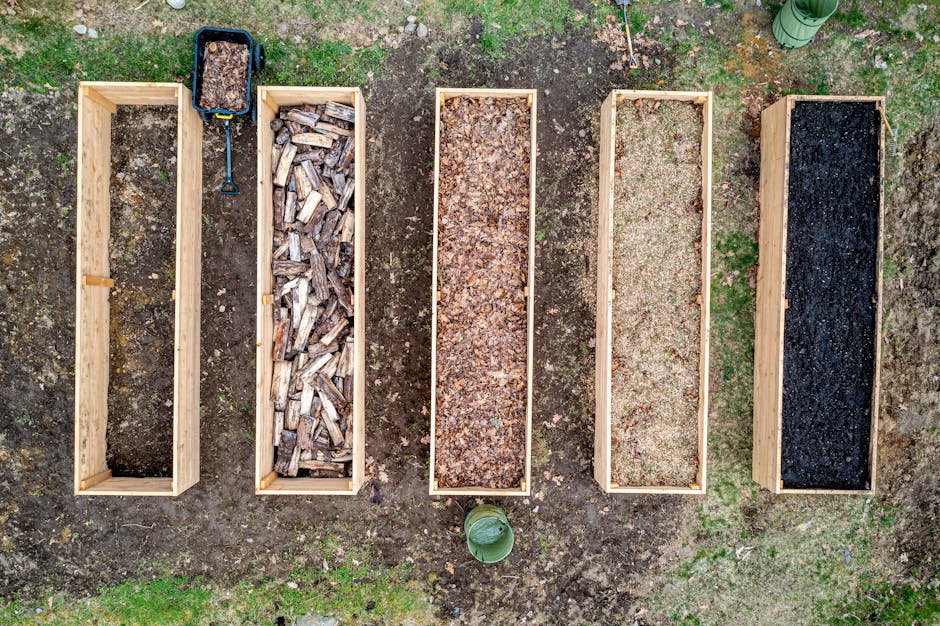
I’m thrilled to help you make the smartest gardening investment! Whether you’re building your first garden or expanding an existing one, choosing between raised and in-ground beds dramatically impacts your wallet. The good news? I’ve broken down every cost factor so you can make a decision based on real numbers, not guesses. Let’s dig into the details—no pun intended!
Garden Bed Construction: Raised Beds Cost Breakdown
Raised garden beds have become incredibly popular, and there’s a reason why. They offer better drainage, easier access, and you control the soil quality from day one. But here’s the reality: they cost more upfront.
For a standard 4x8x12-inch raised bed, you’re looking at these expenses:
- Lumber: $40-$80 (untreated cedar or composite materials cost more but last longer)
- Soil and amendments: $30-$60 for quality garden soil and compost
- Hardware: $10-$20 for screws, brackets, and corner supports
- Landscape fabric: $5-$10 (optional but recommended for weed control)
Total per raised bed: $85-$170
According to the National Gardening Association, 35 million American households currently garden, with raised beds accounting for approximately 28% of new garden installations in 2023. That’s a major trend! The investment pays dividends because raised beds typically last 5-10 years (or longer with cedar), and you won’t spend money on deep tilling or soil remediation annually.
The real advantage? You can build multiple beds over time, spreading costs across seasons. Plus, raised beds reduce back strain and make maintenance easier—I call that priceless!
Garden Bed Construction: In-Ground Beds Expense Analysis
In-ground beds are the budget-friendly option if you’re starting from scratch with decent soil. Here’s where your money goes:
- Site preparation: $0 (if you’re doing it yourself) to $50-$100 (if hiring help to remove sod)
- Soil amendments: $15-$40 for compost and organic matter to enrich existing soil
- Mulch: $10-$25 to prevent weeds and retain moisture
- Edging (optional): $0-$30 if you want defined borders
Total per bed: $25-$195 (varies wildly based on labor)
The initial savings are attractive, but there’s a hidden cost factor many gardeners overlook: annual maintenance. In-ground beds require yearly tilling, regular compost additions, and ongoing weed management. Over a 5-year period, these expenses compound quickly.
Another consideration? If your existing soil has poor drainage, high clay content, or contaminants, you’ll need to invest in soil remediation. That’s when in-ground beds become surprisingly expensive. I’ve seen gardeners spend $200+ trying to fix soil problems that would’ve been avoided with raised beds from the start!
Garden Bed Construction: Long-Term Cost Comparison
Here’s where the math gets interesting. Let me break down the 5-year total cost scenario:
Raised Bed Example (4×8 feet):
- Initial investment: $125
- Year 2 soil refresh: $20
- Year 3 soil refresh: $20
- Year 4 wood repair/replacement: $30
- Year 5 soil refresh: $20
- 5-year total: $215
In-Ground Bed Example (4×8 feet, assuming moderate soil conditions):
- Initial investment: $75
- Year 1-5 annual tilling labor: $25/year = $125
- Year 1-5 compost additions: $15/year = $75
- Soil testing/amendment in year 3: $30
- 5-year total: $305
See the surprise? Raised beds are actually cheaper long-term! Plus, your time investment is lower because you’re not tilling annually or fighting compacted soil.
The break-even point typically happens around year 3-4 when you factor in labor savings and reduced maintenance.
How to Use the Calculator for Garden Bed Cost Comparison
Want to stop guessing and start calculating? Our DIY project cost calculator helps you input your specific dimensions, material choices, and local pricing. You can:
- Compare multiple bed configurations side-by-side
- Adjust material costs based on your supplier prices
- Factor in labor costs for site preparation
- Calculate costs for multiple beds across seasons
Simply enter your bed dimensions, choose raised or in-ground, and let the calculator show you exact totals. This removes guesswork and lets you budget with confidence!
Frequently Asked Questions
Which garden bed type requires less maintenance?
Raised beds are significantly lower maintenance. They eliminate annual tilling, reduce weeding by 60-70% when you add landscape fabric, and prevent soil compaction. In-ground beds require yearly cultivation and ongoing organic matter additions to maintain soil structure. If you’re busy or prefer hands-off gardening, raised beds win this category.
Can I build raised beds on top of my existing in-ground garden?
Absolutely! This is my favorite solution for people with problem soil. You can place raised beds directly on existing in-ground areas, which saves money on site preparation and gives you the benefits of controlled soil without full renovation. Just use landscape fabric underneath to prevent weeds from the original soil.
What’s the most cost-effective raised bed material?
Untreated cedar lasts 7-10 years and costs $40-$60 per bed (4×8 feet). Composite materials last 20+ years but cost $80-$150 upfront. Galvanized metal is durable and costs $60-$100. For pure budget savings, untreated pine costs $20-$30 but only lasts 2-3 years. Calculate your cost-per-year to find the true winner for your situation.
Whatever you choose, you’re making a smart investment in your food security and outdoor space. I’ve loved watching my own garden evolve, and the money I saved by choosing wisely let me invest in other home improvements. Happy gardening!
Related: raised garden bed costs
Related: smart home automation costs guide
- Raised Garden Bed Kit — Directly relevant to the post’s focus on raised bed construction costs and materials
- Gardening Soil and Compost — Essential material cost component for filling raised beds that readers need to budget for
- Garden Planning and Design Software (Verifiable by Extension or App) — Helps readers optimize their garden bed layout before construction to maximize cost-effectiveness
Related: Raised vs In-Ground Garden Beds: Complete Cost Comparison