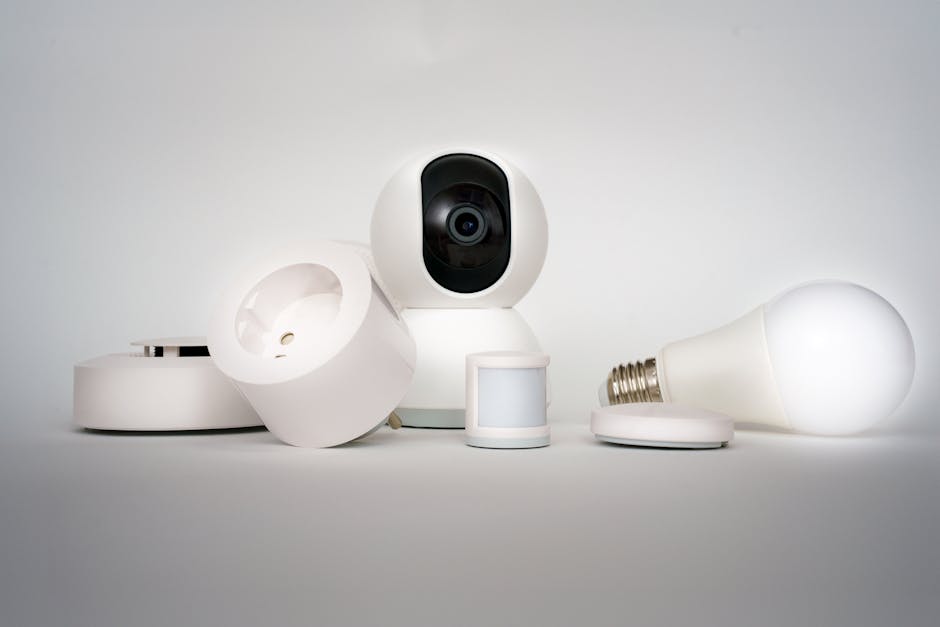
Smart home automation costs vary by system type. Smart lighting ranges from $15-200 per bulb, smart thermostats cost $150-400, and security systems run $300-2000+ depending on complexity and brand. Total setup typically costs $500-5000 for basic automation.
Smart Home Lighting Costs
Smart lighting installation costs represent one of the most flexible areas of home automation. Individual smart bulbs range dramatically in price—you can find basic WiFi-enabled options for $15-30, while premium brands with advanced features like color tuning and voice integration run $80-200 per bulb.
The real expense comes when calculating smart lighting expenses across your entire home. A typical house with 40-50 light fixtures could require $600-4,000 in smart bulb replacements alone. However, you don’t need to upgrade everything simultaneously. Many homeowners start with high-traffic areas like the living room, bedroom, and kitchen, then expand gradually as their budget allows.
Installation is straightforward—smart bulbs simply screw into existing fixtures. You won’t need an electrician, which eliminates labor costs entirely. The only additional hardware investment is a smart hub or bridge (typically $50-150) if your bulbs require one for connectivity.
Smart Thermostat Pricing Guide
Smart thermostat price comparison reveals significant variation based on features and brand positioning. Basic programmable smart thermostats start around $150-200, while mid-range models with learning capabilities and smartphone control cost $250-350. Premium systems with advanced geofencing, energy reports, and professional installation can exceed $400.
The investment pays dividends through energy savings. According to the ENERGY STAR program, properly installed smart thermostats can reduce heating and cooling costs by 10-23% annually. For homeowners in moderate climates, this translates to $100-300 in yearly savings, meaning your thermostat could pay for itself within 1-4 years.
Professional installation typically adds $100-200 to your thermostat cost. Many homeowners can install these devices themselves by following manufacturer instructions, which require only basic electrical knowledge. If you’re comfortable working with low-voltage wiring, DIY installation preserves these labor costs entirely.
Home Security Automation Expenses
Home security system cost calculators help homeowners understand this category’s wide range. Basic DIY security systems with a few door/window sensors and a control panel start around $300-500. Mid-range systems with 8-12 sensors, motion detection, and professional monitoring cost $800-1,500. Comprehensive setups combining video surveillance, smart locks, and 24/7 monitoring can exceed $2,000 at installation.
Monthly monitoring fees represent an ongoing expense—typically $15-40 per month depending on the service level and provider. This creates a secondary cost that extends far beyond initial purchase. Calculate your five-year security investment: a $1,000 system with $25 monthly monitoring totals $2,500 over that period.
The DIY advantage is substantial here. Professional security companies charge installation fees of $300-500, while self-installation eliminates this expense. Modern systems feature wireless sensors and intuitive setup processes designed for homeowners, making professional installation often unnecessary unless you’re integrating with existing home automation systems.
Smart Home Cost Calculator
Creating a realistic budget requires understanding your priorities and scaling accordingly. Try our smart home device expenses calculator to model different automation scenarios. Input your home size, desired features, and installation preferences to generate personalized cost estimates.
Start by listing which rooms you’ll automate first. Most homeowners find maximum impact by prioritizing the master bedroom, living room, and kitchen. These areas typically offer the greatest convenience improvements and energy-saving potential. Calculate costs for each room category, then sum them for your total investment.
Budget-Friendly Automation Options
Beginning your smart home journey doesn’t require massive upfront investment. A budget-conscious approach starts with one smart hub ($50-100) and strategic device additions based on impact and cost-effectiveness.
Month 1: Smart hub and 4-6 smart bulbs in primary living spaces ($100-200)
Month 2: Smart thermostat ($150-300)
Months 3-6: Additional lighting, smart plugs, and basic door sensors ($200-400)
This phased approach spreads expenses over time while letting you test what features matter most. Many people realize they prefer certain brands or ecosystems only after hands-on experience. Spreading purchases prevents costly mistakes where you buy incompatible systems.
Smart plugs deserve special mention as budget-friendly automation options. At $15-30 each, they transform regular appliances into controllable devices. Plug a coffee maker, fan, or lamp into a smart plug and gain remote control and scheduling capabilities without replacing the appliance itself.
DIY vs Professional Installation Costs
The DIY versus professional installation decision significantly impacts your total automated home technology budget. Professional installation adds 30-50% to hardware costs but provides expertise, faster setup, and system integration across multiple device types.
DIY installation requires time investment and comfort with technology, but eliminates labor costs entirely. Smart bulbs, plugs, and most sensors are designed for homeowner installation. Thermostats and security systems represent the most complex installations but remain achievable for technically inclined homeowners.
Consider professional installation if you’re integrating systems across multiple categories—lighting, climate, and security—or if you want everything setup and optimized immediately. Choose DIY if you enjoy tech projects, have moderate complexity needs, and want to minimize expenses.
How much does it cost to automate a home?
Total smart home automation costs depend entirely on scope and ambition. A minimal setup—smart hub, a few bulbs, and a thermostat—costs around $500-800. Mid-range automation covering lighting, climate, and basic security runs $1,500-3,000. Comprehensive systems with extensive security, lighting zones, and advanced integration reach $3,000-5,000+. Use our home automation setup calculator to estimate your specific scenario based on home size and desired features.
What is the cheapest smart home system to install?
The most affordable smart home system combines a budget smart hub ($50-75), basic WiFi smart bulbs ($20-40 each), and smart plugs ($15-25 each). Starting with four bulbs and two plugs costs approximately $250-350, providing meaningful automation in high-impact areas. Add a basic smart thermostat later when budget allows. DIY installation keeps labor costs at zero, making this approach genuinely budget-friendly.
FAQ: Smart Home Automation Costs
Can I start with a small smart home setup and expand later?
Absolutely. This is the recommended approach. Begin with one or two devices in areas where you’ll experience immediate value, then expand strategically. Most modern devices work independently and integrate later when you add more components. Brands increasingly design their ecosystems for this modular approach.
Are smart home systems worth the investment for cost savings?
Yes, particularly for smart thermostats and strategic lighting. Energy savings average $100-300 annually for most homeowners, creating reasonable payback periods. Security and convenience benefits add value beyond pure cost savings, making the investment worthwhile for most households.
Do I need professional installation for smart home devices?
Most smart home devices support DIY installation. Smart bulbs, plugs, and basic sensors require no tools or expertise. Thermostats and security systems involve more complexity but remain manageable for homeowners with basic technical skills. Professional
- Philips Hue Smart Lighting Starter Kit — Directly addresses smart lighting costs mentioned in the post; affordable entry point for readers looking to implement cost-effective lighting automation
- Ecobee Smart Thermostat — Complements the thermostat cost discussion; mid-range option that helps readers find budget-friendly alternatives to expensive systems
- TP-Link Kasa Smart Home Starter Bundle — Perfect fit for budget-conscious DIY automation; offers multiple devices at lower price points, aligning with the post’s focus on reducing overall smart home costs
Related: Smart Home Automation Costs: 5 Ways to Save in 2026