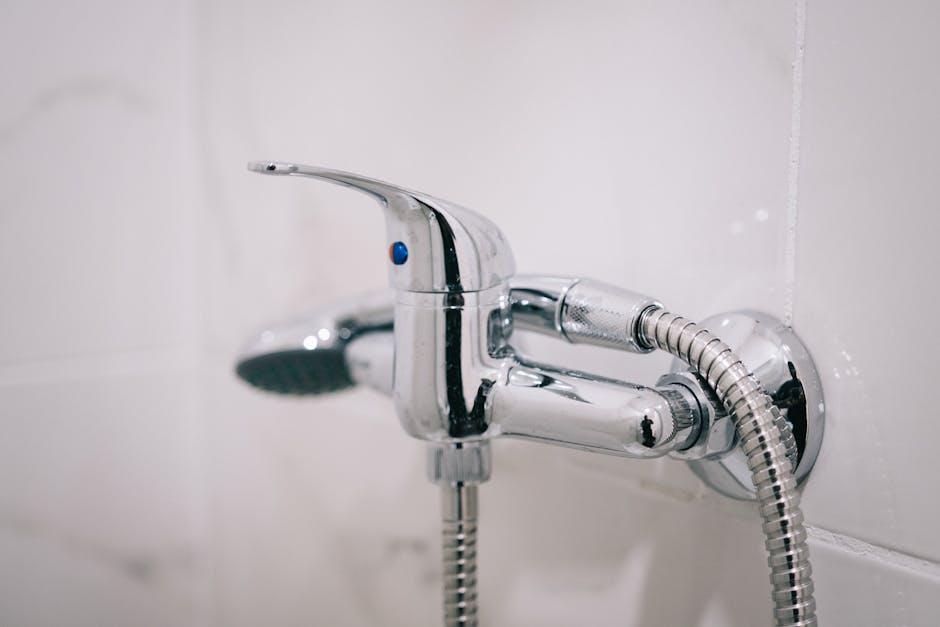
Plumbing fixture costs vary widely: basic faucets range $50–$200, mid-range $200–$500, and high-end $500+. Sinks cost $100–$600 depending on material. Rough-in labor typically runs $800–$2,500 per fixture based on complexity and location. Understanding these price tiers helps you make smart decisions when budgeting for bathroom and kitchen upgrades.
Plumbing Fixture Costs: Faucets, Sinks, and Rough-In Labor Breakdown
When planning a kitchen or bathroom renovation, plumbing fixture costs represent a significant portion of your budget. According to the EPA WaterSense program, homeowners typically spend between $2,000–$5,000 on plumbing fixture materials and installation for a standard bathroom remodel. However, these costs can swing dramatically based on the quality level you choose and the complexity of installation.
The key to managing plumbing fixture costs is understanding how prices break down across different components. Faucet prices, sink installation cost, bathroom fixture expenses, and rough-in labor costs all contribute to your final bill. Let me walk you through each category so you can make informed decisions.
How much does it cost to install a new kitchen faucet?
Kitchen faucet installation costs depend heavily on the faucet itself, plus labor. A basic kitchen faucet runs $50–$150, while mid-range models cost $200–$400. Premium brands and specialized features (pull-down sprayers, touchless sensors, advanced filtration) push prices to $500–$1,500 or beyond.
Labor for faucet installation typically ranges $150–$300 if you’re replacing an existing faucet with straightforward plumbing. However, if you need new supply lines, valve adjustments, or structural modifications, expect $400–$600 in labor. The total kitchen sink cost, including both the sink and faucet, generally falls between $300–$800 for mid-range combinations.
Faucet Costs by Type and Quality
Faucet prices segment into three clear tiers, and understanding the differences helps you avoid overspending on features you don’t need.
Budget-Friendly Faucets ($50–$200): These entry-level options work reliably for basic applications. Materials include basic chrome or nickel finishes over plastic or brass bodies. Installation is straightforward, and replacement parts are readily available. Expect durability of 5–8 years with standard use.
Mid-Range Faucets ($200–$500): This sweet spot offers better build quality, improved finish durability, and modern designs. Materials include solid brass bodies with quality ceramic cartridges. Many include warranty coverage of 5–10 years. You’ll find better water pressure consistency and smoother operation.
Premium Faucets ($500+): High-end bathroom fixture expenses include luxury brands with specialized features: touchless sensors, voice activation, integrated water filtration, or designer finishes (matte black, brushed gold, copper). Warranty periods extend 10–25 years. Installation complexity increases, sometimes requiring additional electrical work.
For most homeowners, mid-range faucets provide the best value. You avoid paying for unnecessary luxury features while getting solid durability and aesthetic appeal.
Sink Prices and Installation Expenses
Sink material and installation complexity significantly impact your plumbing fixture costs. Materials range from affordable to premium, with installation varying based on existing plumbing configuration.
Material Costs: Stainless steel sinks run $100–$300 and offer durability and modern appeal. Porcelain sinks cost $150–$400 and provide classic elegance but require careful handling. Cast iron sinks range $200–$600 and deliver decades of reliable use. Composite materials (quartz, granite blends) fall in the $300–$500 range with excellent stain resistance.
Installation labor typically adds $200–$400 for standard sink replacement. However, complex installations requiring new plumbing rough-in work, countertop modifications, or structural adjustments can add $500–$1,200 in labor.
The sink installation cost increases significantly if you’re adding island sinks, moving existing plumbing lines, or upgrading from a single to double basin configuration. According to recent data, approximately 62% of bathroom remodels include fixture upgrades, making plumbing fixture costs one of the largest budget line items.
Rough-In Labor Costs and Timeline
What is the average cost of rough-in plumbing labor?
Rough-in plumbing refers to installing the supply and drain lines before fixtures attach. This foundational work determines installation success and future reliability. Plumbing rough-in labor typically runs $800–$2,500 per fixture depending on complexity and location.
Cost Variables: Simple fixtures in accessible locations cost less. A basement powder room might require basic rough-in for $800–$1,200. Second-floor bathrooms with limited access to main lines cost $1,500–$2,500. Complex multi-fixture bathrooms with hot water recirculation, radiant heating, or long distances from main lines exceed $3,000.
Timeline matters because rough-in work happens during the construction phase, before drywall installation. Rushing this work or choosing inexperienced plumbers leads to costly callbacks and water damage. Most rough-in projects take 2–5 days per bathroom, depending on the number of fixtures and existing plumbing configuration.
DIY vs Professional Installation Savings
Many homeowners consider DIY installation to reduce plumbing fixture costs. However, this strategy requires careful consideration of your skill level and local building codes.
DIY-Friendly Tasks: Faucet replacement on existing installations, basic sink swaps, and minor adjustments can be DIY projects if you have plumbing experience. You’ll save $150–$400 in labor. However, you’ll need basic tools, perhaps a plumber’s advice, and time.
Professional-Only Tasks: Rough-in plumbing, wall modifications, new supply line installation, and building code compliance require licensed professionals. Mistakes in these areas cause water damage, mold, and code violations—expensive problems that erase any savings.
Most homeowners save the most by handling simple replacements themselves while hiring professionals for rough-in work and complex installations. This balanced approach reduces plumbing fixture costs by 10–20% while avoiding costly mistakes.
How to Estimate Your Total Plumbing Budget
Calculating your total plumbing fixture costs requires adding materials, labor, and unexpected contingencies. Use our bathroom remodel calculator to estimate comprehensive project costs, including fixtures, labor, and materials.
For a typical bathroom renovation with one sink, toilet, and shower:
- Faucet: $150–$400
- Sink: $150–$350
- Toilet: $200–$500
- Shower fixtures: $300–$800
- Rough-in labor: $1,500–$2,500
- Installation labor: $800–$1,500
- Total range: $3,100–$6,050
Add a 10–15% contingency buffer for unexpected discoveries or code upgrades during installation.
Related: lower plumbing fixture costs
Related: ADA ramp and grab bar costs
Related: stair stringer calculator guide
Related: complete guide to DIY calculators
Related: concrete calculator
Related: fence picket calculator guide
Related: bathroom remodel cost 2025
Related: calculate square footage for rooms
FAQ: Plumbing Fixture Costs
Can I save money by choosing lower-end plumbing fixtures?
Yes, but with trade-
- Moen Faucets & Fixtures — Direct match for plumbing fixtures; mid-range quality brand that fits the $200-$500 price tier discussed in the post
- Kohler Kitchen & Bath Fixtures — Premium plumbing fixture brand covering multiple price tiers; readers budgeting for upgrades often compare Kohler options
- Basic Stainless Steel Sink Bundle — Directly addresses sink costs ($100-$600 range mentioned); practical for DIYers looking to reduce fixture expenses
Related: 5 Ways to Lower Your Water Heater Replacement Costs in 2026
Related: 7 Ways to Lower Your Basement Waterproofing Costs in 2026
Related: Ultimate Guide to Plumbing Fixture Costs in 2026
Related: 7 Essential Plumbing Fixture Costs You Need to Know in 2026
Related: Plumbing Fixture Costs: Budget Your Faucets & Sinks