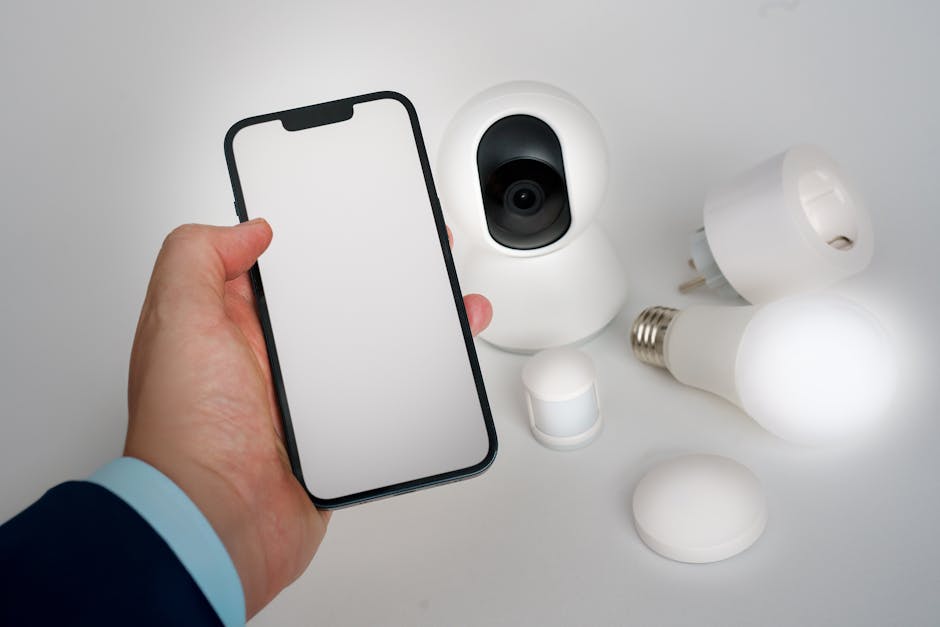
Smart home automation costs vary by component: smart lighting ranges from $15–$100 per bulb, smart thermostats cost $100–$300, and security systems start at $200–$1,500. Total DIY setup typically costs $500–$3,000 depending on system complexity and brand selection.
Smart Home Automation Cost Breakdown
When you’re planning a smart home setup, understanding the cost structure makes all the difference. I’ve watched countless homeowners jump into automation without budgeting properly—then they’re surprised by hidden expenses. Let me break down exactly where your money goes.
The beauty of smart home systems is their modularity. You’re not locked into one massive purchase. Instead, you build incrementally, starting with the components that matter most to your lifestyle.
A basic smart home setup includes three core categories: lighting control, climate management, and security monitoring. Each serves different purposes and carries different price tags. When you add network infrastructure, installation labor, and integration services, costs climb quickly.
According to the EPA’s guidance on indoor air quality, smart thermostats that optimize heating and cooling can reduce energy consumption by up to 10–15% annually. That ROI matters when calculating true ownership costs over time.
How much does it cost to automate a home?
A comprehensive smart home that covers lighting, climate, security, and entertainment typically runs $2,000–$5,000 for DIY installation. Professional installation adds 30–50% to those costs. However, you can start smaller with a $500–$800 entry-level system and expand gradually.
Smart Lighting System Expenses
Smart lighting is often the gateway into home automation—and for good reason. It’s relatively affordable, offers immediate visual feedback, and doesn’t require complex wiring knowledge.
Individual smart bulbs range from $15–$30 for basic models to $50–$100 for advanced options with color-changing capabilities. A typical bedroom might need four bulbs, so expect $60–$400 depending on your choices.
Smart lighting installation cost depends on whether you’re replacing existing bulbs or adding new fixtures. If you’re simply swapping bulbs in existing sockets, there’s zero installation labor. If you’re adding new fixtures or installing dimmer switches, you’re looking at $75–$200 per fixture for professional electricians.
Here’s what I recommend: start with smart bulbs in high-use areas like your bedroom and living room. This costs $100–$150 and gives you three months to decide if you want to expand. If you love the convenience, add smart switches next—they’re more cost-effective than individual bulbs for multi-bulb fixtures.
Smart Thermostat Installation Costs
A smart thermostat price comparison reveals significant variation based on features. Basic models cost $100–$150. Mid-range thermostats with learning algorithms run $150–$250. Premium options with advanced sensors and AI integration reach $300–$500.
Installation is straightforward if you’re replacing an existing thermostat—many homeowners handle this themselves in 30 minutes. However, if you need a new HVAC system or extensive rewiring, professional installation costs $200–$500.
The smart thermostat investment pays dividends. Over five years, energy savings typically exceed the equipment cost by $200–$400, making this your smartest automation purchase from a financial perspective.
Smart Security System Pricing
Home security system expenses vary dramatically based on coverage scope. A basic DIY smart lock runs $100–$300. Doorbell cameras add $150–$300. A comprehensive system with window/door sensors, motion detectors, and a hub costs $400–$1,500 for equipment.
Professional monitoring services add $15–$45 monthly, which is significant over years of ownership. However, many insurance companies offer 5–15% discounts for monitored systems, offsetting monitoring fees partially.
Here’s what matters: security is one area where you shouldn’t compromise on brand reliability. Cheaper systems sometimes have connectivity issues or poor app performance—both dangerous in security applications. Spend the extra $100–$200 for established brands with strong track records.
DIY Smart Home Budget Planning
A DIY smart home budget typically ranges from $500–$3,000 for a functional system. Here’s how to allocate funds strategically:
- Starter budget ($500–$800): Smart thermostat + four smart bulbs + one smart speaker
- Intermediate budget ($1,200–$1,800): Add security cameras, smart locks, and smart switches
- Advanced budget ($2,500–$3,500): Include comprehensive security, professional installation, and integration services
The key is avoiding the “nice-to-have” trap. Before purchasing, honestly assess which automations solve real problems in your daily life. That $200 smart coffee maker sounds fun until you realize you rarely drink coffee at predictable times.
Smart Home Automation Calculator
Stop guessing about costs. Use our smart home automation calculator to build a custom estimate based on your specific needs. Input your desired devices, square footage, and desired integrations—the calculator generates accurate cost projections instantly.
This beats manual spreadsheet planning because it accounts for:
- Bulk pricing for multiple devices
- Network infrastructure requirements
- Professional installation labor estimates
- Ongoing subscription service costs
Try our home improvement budget calculator too—it helps prioritize automation within your broader home upgrade strategy.
Ways to Save on Smart Home Setup
After refinancing my loans twice and finding $12,000 in savings through smart financial decisions, I learned that disciplined spending beats impulse purchases every time. Here are proven ways to reduce smart home costs:
Start with the highest-ROI items first. Smart thermostats and smart lighting deliver measurable savings immediately. Security upgrades provide peace of mind but less financial return.
Choose ecosystem platforms wisely. Lock into platforms with broad device support—this prevents expensive proprietary purchases later. Amazon Alexa, Google Home, and Apple HomeKit each support thousands of devices.
Buy during sales events. Black Friday, Prime Day, and New Year sales offer 20–40% discounts on major brands. Patience saves hundreds.
Install devices yourself. Professional installation costs 30–50% more. Most smart devices are designed for DIY installation—watch YouTube tutorials before hiring professionals.
Use multi-packs for lighting. Buying four smart bulbs together costs $40–$60 per bulb versus $25–$35 individually. Bulk purchases show tremendous savings.
FAQs
What is the cheapest smart home system to install?
The cheapest functional smart home starts at $300–$400 and includes a smart speaker (like an Echo Dot at $30–$50), a smart thermostat ($100–$150), and two smart bulbs ($50–$80). This minimal setup automates heating and lighting—the most impactful automations.
Do I need professional installation for smart home devices?
Most smart bulbs, speakers, and thermostats require no professional installation. Smart wiring, structured cabling, and integrated home systems benefit from professional expertise. For typical homeowners, 80% of smart home devices are DIY-installable.
- Smart Home Starter Kit — Directly relevant to readers planning DIY smart home setups within the $500-$3,000 budget range mentioned in the post
- Smart Light Bulbs (Budget-Friendly) — Post specifically mentions smart lighting costs ($15-$100), making budget bulb options a natural fit for cost-conscious DIYers
- Smart Thermostat — Thermostat is a major component discussed ($100-$300), helping readers find cost-effective options when building their automation system
See also: Stud Finder Not Working? Locate Studs by Measurement
See also: Stud Finder Not Working? How to Locate Studs by Measurement
Related: 7 Ways to Lower Your Smart Home Automation Costs in 2026
Related: Smart Home Automation Costs: Complete Lighting, Thermostat & Security Guide