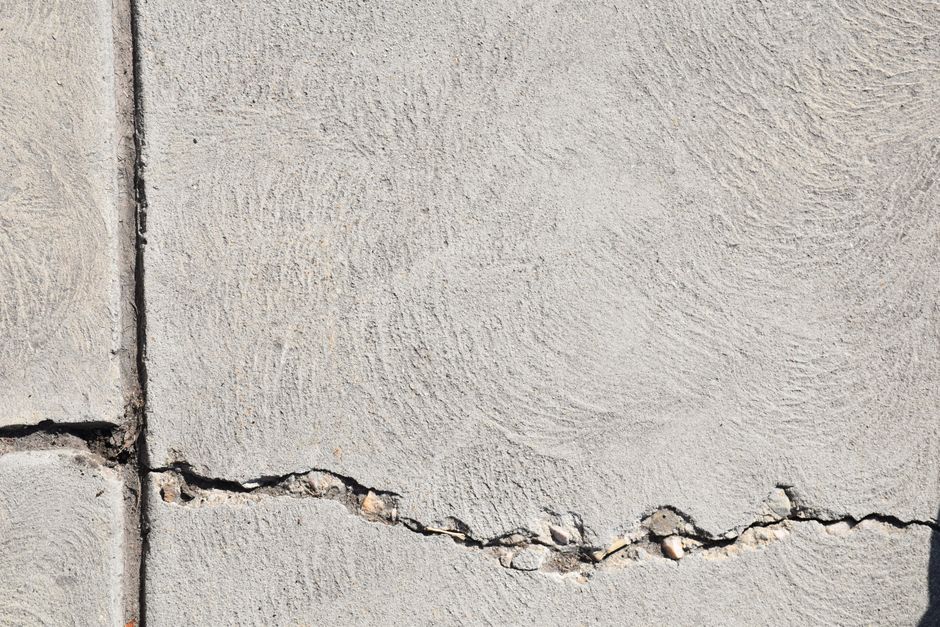
Epoxy injection typically costs $300–$800 per crack, while polyurethane foam injection runs $200–$600 per crack. Epoxy is stronger and best for structural cracks in dry conditions. Polyurethane works better for active leaks and wet cracks. Total foundation repair projects range from $500 to $3,000 depending on crack count, severity, and method chosen.
Epoxy vs. Polyurethane: What Actually Works and When
I refinanced my student loans twice and obsessed over every financial decision — so when I found a crack in my foundation, you better believe I researched this like my life depended on it. The good news? Understanding which method fits your situation can save you serious money.
Epoxy Injection
Epoxy injection essentially welds a crack shut by filling it with a two-part resin that cures into a material stronger than the surrounding concrete. Here’s what you need to know:
- Best for: Dry, structural cracks where load-bearing integrity is compromised
- Cost per crack: $300–$800 for professional installation
- DIY kit cost: $50–$150 per kit for hairline to ¼-inch cracks
- Cure time: 3–5 days for full structural strength
- Weakness: Fails in wet conditions — moisture prevents proper adhesion
The compressive strength of cured epoxy injection materials typically exceeds 6,000 psi, which is why engineers favor it for cracks that affect the structural load path of a foundation wall.
Polyurethane Foam Injection
Polyurethane foam expands as it cures, filling irregular voids and creating a flexible, waterproof seal. This flexibility is actually a feature, not a bug — foundations shift seasonally, and a rigid repair in the wrong crack can just crack again nearby.
- Best for: Actively leaking cracks, wet basement walls, non-structural cracks
- Cost per crack: $200–$600 professionally installed
- DIY kit cost: $30–$100 per cartridge
- Cure time: Expands and seals within minutes to hours
- Weakness: Not structural — doesn’t restore load-bearing capacity
Side-by-Side Cost Comparison
Here’s how the numbers shake out for a typical homeowner dealing with 2–3 foundation cracks:
- Professional epoxy (2 cracks): $600–$1,600
- Professional polyurethane (2 cracks): $400–$1,200
- DIY epoxy kit (2 cracks): $100–$300
- DIY polyurethane kit (2 cracks): $60–$200
- Full basement waterproofing system (if needed): $5,000–$15,000
What Drives the Final Price Tag
The crack repair quote you get will vary wildly based on factors most contractors won’t volunteer upfront. Here’s what actually moves the needle on cost:
Crack Severity and Width
Hairline cracks under 1/16 inch are often cosmetic and cost the least to repair — sometimes under $200 per crack professionally. Cracks wider than ¼ inch, or those showing horizontal displacement, signal structural movement and command premium pricing. Horizontal cracks in block or poured walls are the most serious and may require carbon fiber straps or wall anchors at $1,500–$5,000 per repair zone on top of injection costs.
Crack Accessibility and Location
Interior access repairs are cheaper than exterior excavation. Exterior waterproofing with excavation — which some contractors push aggressively — can run $3,000–$10,000 because it involves digging down to the footing. For most vertical hairline cracks, interior injection is perfectly adequate and a fraction of the cost.
Labor Rates by Region
Labor makes up 60–70% of most foundation crack repair quotes. Urban markets like New York, San Francisco, and Chicago will run 40–60% higher than rural Midwest or Southern markets. Always get three quotes — I cannot stress this enough after watching friends overpay by $800 for work that a second contractor did for half the price.
Moisture and Environmental Factors
Homes in high-radon zones or areas with significant soil moisture pressure face compounding costs. According to the EPA’s radon resources, foundation cracks are a primary entry point for radon gas — meaning some crack repairs may need to integrate with radon mitigation systems, adding $800–$2,500 to the total project. It’s worth checking your area’s radon levels before finalizing your repair approach. You can use the EPA’s radon professional locator to find certified contractors who understand both issues simultaneously.
How to Use the Calculator to Budget Your Repair
Before you call a single contractor, run your numbers so you walk into every quote with confidence. Our home improvement cost calculator lets you plug in your crack count, method preference, and regional labor rates to get a solid baseline estimate in minutes.
Here’s the process I’d use:
- Count and measure every crack (width and length in inches)
- Note whether moisture is actively present — wet or dry conditions change your method
- Enter your zip code and crack data into the calculator
- Compare your estimate against contractor quotes to spot outliers
- Factor in a 15–20% contingency buffer for surprises once work begins
You can also use our concrete calculator if your repair scope expands to include partial wall rebuilds or footing work — which happens more often than homeowners expect once a contractor opens up the area.
Armed with real numbers, you’ll negotiate from a position of knowledge instead of anxiety. That’s exactly how I approached every major home expense after my refinancing journey taught me that data beats guesswork every single time.
Frequently Asked Questions
Can I repair foundation cracks myself, or do I always need a contractor?
DIY is absolutely viable for non-structural, vertical hairline cracks under ¼ inch with no active water intrusion. Both epoxy and polyurethane injection kits are available at home improvement stores for $30–$150. However, horizontal cracks, stair-step cracks in block walls, or any crack with wall displacement requires professional structural assessment — this is not the place to cut corners.
How long do epoxy and polyurethane crack repairs last?
Properly installed epoxy repairs in stable, dry conditions can last 20+ years. Polyurethane repairs in wet conditions typically last 10–15 years before the flexible seal degrades or the foam breaks down from sustained hyd
- Epoxy Injection Crack Repair Kit — Directly addresses the main repair method discussed; DIY-minded readers can purchase kits for smaller cracks to save on professional costs
- Foundation Crack Sealant & Caulk — Complements both epoxy and polyurethane solutions mentioned; useful for temporary fixes or maintenance between professional repairs
- Moisture Meter & Foundation Inspection Tools — Helps readers assess crack severity and moisture conditions to determine whether epoxy or polyurethane is needed, supporting informed decision-making
Related: The Complete Guide to Gutter Installation and Repair Costs in 2026
Related: Concrete Slab vs Gravel: Shed Foundation Costs
Related: 5 Essential Facts About Foundation Crack Repair Costs in 2026
Related: Complete Guide to Foundation Crack Repair Costs in 2026