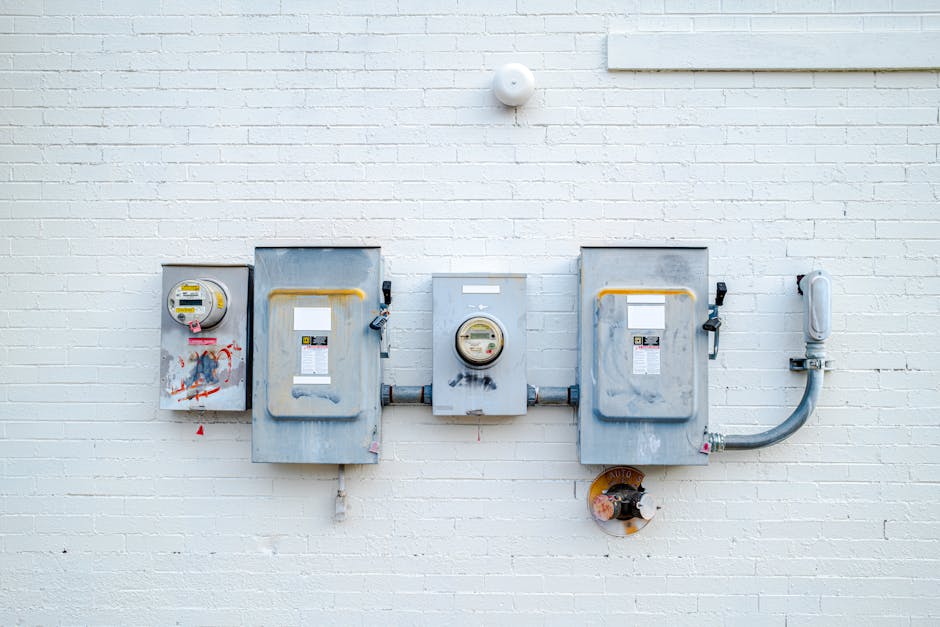
Electrical panel upgrades typically cost between $1,500 to $3,500 for standard residential installations, with prices varying based on amp service (100, 150, or 200 amps), local labor rates, permit fees, and whether the old panel requires complete replacement or just component upgrades.
What is an Electrical Panel Upgrade?
Your electrical panel — sometimes called a breaker box or load center — is the nerve center of your home’s entire electrical system. It distributes power from the utility grid to every circuit in your house. An upgrade becomes necessary when your current panel can no longer safely handle your home’s power demands.
Think about everything we’ve added to our homes in the last decade: EV chargers, home offices packed with equipment, smart appliances, whole-home generators. I remember when I first started researching home upgrades — the electrical panel was the last thing on my mind until a contractor pointed out my 100-amp panel was struggling to keep up. Modern homes routinely need 200-amp service just to function safely and efficiently.
An electrical panel replacement means swapping out the entire unit, while an upgrade may refer to increasing the amperage capacity, adding circuits, or replacing outdated components like Federal Pacific or Zinsco panels — both of which have well-documented safety issues.
Factors Affecting Electrical Panel Upgrade Costs
Several variables drive the final price of your electrical panel replacement cost. Understanding each one helps you build a realistic budget before you ever call a contractor.
- Panel size and amperage: A 100-amp panel runs cheaper than a 200-amp or 400-amp service upgrade. Larger panels mean bigger equipment and more labor hours.
- Labor rates: Electrician rates vary wildly by region. Urban markets can run $100–$150/hour, while rural areas may be closer to $65–$85/hour.
- Permit and inspection fees: Most municipalities require permits for panel work. Budget $50–$300 depending on your locality.
- Panel location: A panel in a finished basement or tight utility closet costs more to access and replace than one in an open garage.
- Utility coordination: Your utility company must disconnect and reconnect service. Some charge fees; others do it free.
- Additional wiring upgrades: Older homes may need grounding updates or wiring that brings circuits up to current code — this adds cost fast.
You can get a quick preliminary estimate by using our home improvement cost calculator to start mapping out your project budget before contractor quotes arrive.
Amp Service Options and Requirements
How much does it cost to upgrade an electrical panel from 100 to 200 amps?
Upgrading from 100-amp to 200-amp service is the most common residential electrical project in the U.S. right now, and for good reason — it’s practically a baseline requirement for modern homes. Here’s what you can expect to pay:
- 100-amp panel replacement: $800–$1,500 (adequate only for very small homes or older properties with minimal loads)
- 100 to 200-amp service upgrade: $1,500–$3,000 including new panel, labor, and permit fees
- 200 to 400-amp service upgrade: $2,000–$4,000+ (for large homes, workshops, or EV charging infrastructure)
The 100-to-200-amp upgrade typically includes a new 200-amp main breaker panel, updated service entrance cable, labor (4–8 hours on average), and permit fees. If your meter base also needs upgrading, add another $300–$500 to the estimate.
For homeowners planning to install solar panels or EV chargers alongside this project, bundling the work can save 15–20% compared to scheduling separately.
Safety Considerations and Home Electrical Panel Safety Requirements
What are the safety requirements for electrical panel upgrades?
Home electrical panel safety requirements are governed primarily by the National Electrical Code (NEC), which is updated every three years and adopted (with local amendments) by most U.S. jurisdictions. According to the U.S. Environmental Protection Agency, electrical faults are among the leading causes of residential fires, making proper panel installation and compliance critically important.
Key safety requirements include:
- AFCI breakers: Arc-fault circuit interrupter breakers are now required in most living spaces under current NEC standards.
- GFCI protection: Ground-fault circuit interrupters are required in kitchens, bathrooms, garages, and outdoor circuits.
- Clearance requirements: The NEC requires a minimum 36 inches of clear working space in front of any electrical panel.
- Grounding and bonding: Proper grounding protects against fault currents and surge damage.
- Labeling: Every circuit must be clearly labeled — this sounds minor but is an actual code requirement during inspection.
Never skip the permit process. Unpermitted electrical work can void your homeowner’s insurance, create liability during a home sale, and — most critically — leave dangerous conditions undetected without a licensed inspector’s review.
DIY vs. Professional Installation
I’ll be direct here: electrical panel work is not a DIY project for the overwhelming majority of homeowners. Unlike painting a room or installing flooring, panel work involves live utility service, local code compliance, permit requirements, and potential safety hazards that demand professional expertise.
That said, there are ways to reduce costs legitimately:
- Get 3+ competitive bids — prices can vary by 30–40% between contractors
- Schedule during off-peak seasons (winter months often see lower rates)
- Ask whether the electrician handles permits or if you need to pull them yourself
- Bundle with other electrical work you’ve been putting off
Homeowners in some states can legally pull their own permits for owner-occupied residences, but the actual panel work still requires licensed electricians in most jurisdictions. Always verify with your local building department.
How to Estimate Your Upgrade Costs
Before calling contractors, run your own numbers. Our electricity cost calculator can help you understand your current consumption patterns, which informs what amperage level actually makes sense for your household. There’s no point paying for a 400-amp service if your actual load analysis shows 200 amps covers everything with headroom to spare.
A basic estimation framework:
- Identify your current panel amperage and age
- List major loads you’re planning to add (EV charger, HVAC upgrade, workshop)
- Research local permit fees via your city or county building department website
- Get 3 licensed electrician bids that include labor, materials, and permit coordination
- Add a 10–15% contingency for surprises inside older walls
Frequently Asked Questions
How long does an electrical panel upgrade take?
A standard 200-amp panel replacement typically takes 4–
- Electrical Panel Testing & Inspection Tools Kit — Homeowners planning panel upgrades need to test current electrical systems; a multimeter and panel tester kit helps assess existing panels before calling contractors.
- Home Electrical Wiring & Code Reference Book — DIY readers want to understand electrical codes and requirements; a current NEC reference guide helps them communicate better with electricians and understand upgrade specifications.
- Licensed Electrician Finder Service (HomeAdvisor/Angi) — Perfect companion to cost-estimation content; readers will need to connect with licensed electricians for actual panel upgrades, and contractor-matching services have strong affiliate programs.
Related: Electrical Panel Upgrade Costs: Complete 2026 Guide to Amps & Safety