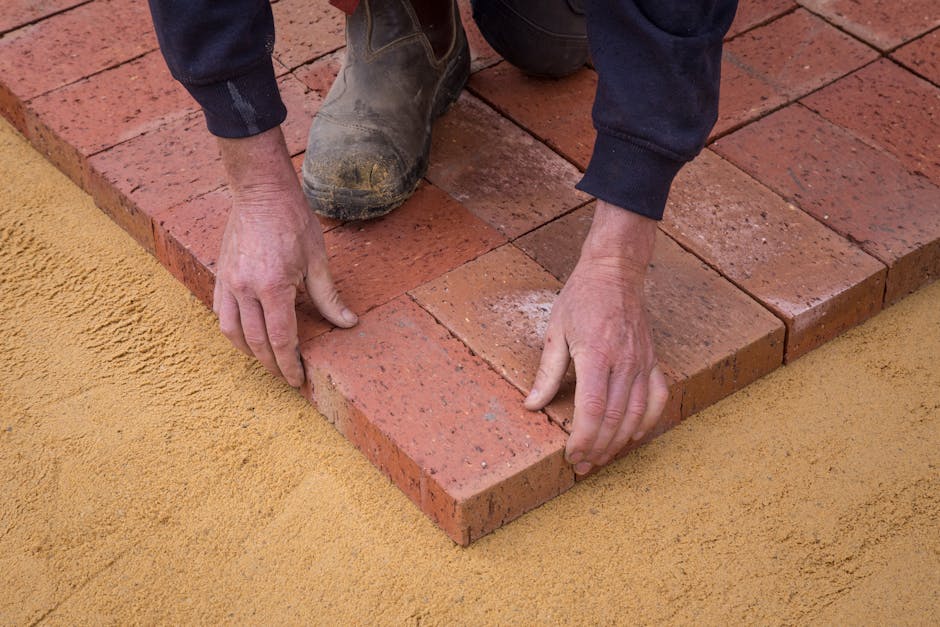
A patio pavers cost calculator estimates total project expenses by combining material costs (typically $5–$25 per square foot), labor costs ($8–$15 per hour), and design complexity. Input your patio size, paver type, and pattern to get an accurate budget breakdown for your DIY or professional installation.
How to Use the Patio Pavers Cost Calculator
Getting an accurate estimate takes less than two minutes when you have the right numbers ready. Here’s exactly what to plug in and why each input matters for your final budget.
Step 1 – Measure your patio area. Multiply length by width in feet to get square footage. A 12×20 patio equals 240 square feet. For irregular shapes, break the space into rectangles and add the totals together.
Step 2 – Select your paver material. Each material carries a different patio pavers price per square foot. Concrete pavers run $3–$6 per square foot in materials alone, while natural bluestone can reach $15–$22 per square foot. Your choice here drives the biggest portion of your budget.
Step 3 – Choose your design pattern. A simple running bond pattern requires minimal cuts and less labor. A herringbone or basket-weave pattern demands more precision cuts, which adds both time and patio paver labor cost to the total.
Step 4 – Enter your labor preference. DIY projects eliminate labor costs but require equipment rental ($150–$300 for a plate compactor). Professional installation adds $8–$15 per square foot in labor, depending on your region and project complexity.
Use our square footage calculator first if you’re working with an irregular yard shape — it’ll save you from a costly measurement mistake before you ever touch a paver.
Patio Paver Material Costs by Type
Understanding patio paver installation cost starts with knowing your material options. These prices reflect 2026 national averages for materials only, before labor or base prep.
What is the cheapest type of patio paver?
Concrete pavers are consistently the most affordable option, ranging from $3–$6 per square foot for materials. They’re manufactured in bulk, widely available at home improvement stores, and come in dozens of shapes and colors. For a 200-square-foot patio, that’s $600–$1,200 in materials alone — a manageable budget for most homeowners.
Here’s a quick breakdown of common materials and their typical patio pavers price per square foot:
- Concrete pavers: $3–$6 per sq ft — durable, low maintenance, budget-friendly
- Brick pavers: $5–$10 per sq ft — classic look, excellent longevity
- Flagstone: $8–$15 per sq ft — natural variation, irregular shapes
- Bluestone: $12–$22 per sq ft — premium appearance, dense and slip-resistant
- Travertine: $10–$20 per sq ft — elegant finish, popular in warm climates
- Porcelain pavers: $7–$14 per sq ft — modern aesthetic, low porosity
It’s also worth noting that paver production and material sourcing can have environmental implications. According to the EPA’s Sustainable Management of Construction and Demolition Materials, choosing recycled-content concrete products reduces landfill pressure and can qualify projects for green building credits.
Labor Costs for Patio Installation
How much does it cost to install patio pavers?
Total patio paver installation cost typically runs $15–$40 per square foot when you combine materials and professional labor. For a standard 200-square-foot patio, expect to pay $3,000–$8,000 fully installed. Larger patios (400+ square feet) benefit from economies of scale, often bringing the per-square-foot cost down toward the lower end of that range.
Labor is broken into distinct phases, each with its own cost driver:
- Site excavation and grading: $1–$3 per sq ft — removing 6–8 inches of soil and creating proper slope for drainage
- Base material (gravel + sand): $1–$2 per sq ft — a compacted gravel base is non-negotiable for preventing shifting
- Paver installation: $6–$10 per sq ft — setting, leveling, and cutting pavers to fit
- Polymeric sand and sealing: $1–$2 per sq ft — locking joints and protecting the surface
DIYers can cut labor costs significantly but should budget $150–$400 for equipment rentals and factor in a weekend or two of serious physical work. Our concrete calculator can help you estimate base material quantities if you’re handling the subbase prep yourself.
Popular Patio Design Patterns and Their Costs
Patio design patterns cost more as complexity increases — primarily because intricate layouts require more precise cuts, more waste material, and more skilled labor hours. Here’s how common patterns compare:
- Running bond (stacked): Lowest cost — minimal cuts, fast installation, great for beginners
- Grid/Jack-on-jack: Low cost — simple alignment, works with square pavers
- Basket weave: Moderate cost — pairs of pavers alternate direction, some cuts needed at edges
- Herringbone (45° or 90°): Higher cost — 15–20% more waste, many angled cuts, adds $1–$2 per sq ft in labor
- Circular or fan patterns: Premium cost — custom cuts, specialized skill, adds $3–$5 per sq ft
- Mixed-size random patterns: Premium cost — no repeating template, requires experienced installers
The pattern you choose also affects how much extra material to order. Running bond needs about 5% overage for cuts and breakage. Herringbone at 45 degrees needs 10–15% overage. Always order extra — running short mid-project can mean dye-lot mismatches if you reorder.
Factors That Affect Patio Paver Pricing
Beyond material and labor, several variables shift how much do patio pavers cost in practice:
- Soil conditions: Clay-heavy or unstable soils require deeper excavation and thicker base layers
- Slope and drainage: Patios on grades need additional grading work and sometimes French drain installation
- Edging type: Plastic edging is cheapest; steel or aluminum edging adds $2–$4 per linear foot
- Geographic location: Labor rates in coastal metros run 30–50% higher than rural Midwest markets
- Permits: Some municipalities require permits for patios over a certain size — typically $50–$200
- Existing hardscape removal:
Recommended Resources:
- Patio Pavers Variety Pack — Directly complements the calculator by providing actual paver products readers can purchase after estimating costs
- Professional Patio Paver Installation Tools Set — Essential tools for DIY patio installation mentioned in the post, helps readers execute projects they’ve budgeted for
- Landscape Design Software (Home Depot or Lowe’s Affiliate) — Helps users visualize patio designs and patterns before calculation, supporting the design complexity factor mentioned in the post