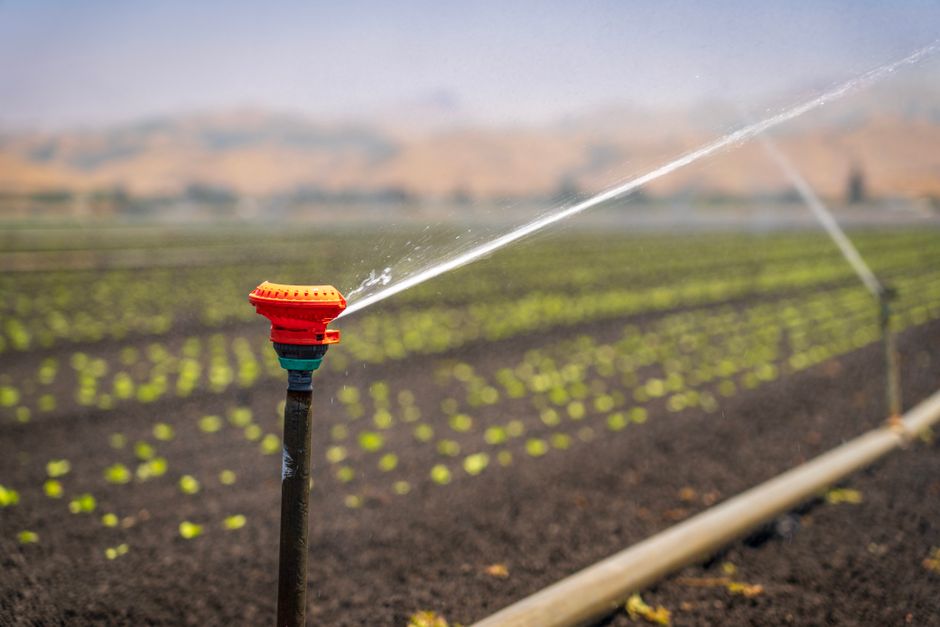
Drip irrigation systems typically cost $200–$1,000 for a standard residential installation, while sprinkler systems run $1,500–$3,500 or more. Drip systems win on water efficiency, saving up to 50% more water than sprinklers. Your best choice depends on yard size, plant types, and long-term water savings goals. (Related: DIY Home Improvement Projects to Replace Expensive Professional Services) (Related: Gravel Calculator: Estimate Yards & Tons for Any Project) (Related: DIY Calculator: The Ultimate Guide to Estimating Home Improvement Costs and Materials) (Related: Home Renovation Cost Calculator Guide for Cardiff Homeowners) (Related: Complete Guide to Chimney Repair Cleaning Costs by Season 2026) (Related: Basement Waterproofing Costs 2026: The Complete Interior vs Exterior Guide)
Drip vs. Sprinkler: Breaking Down the Real Costs
When I started researching irrigation options for my backyard garden beds, the price difference between drip and sprinkler systems honestly shocked me. There’s a lot more to the number than the upfront installation quote — and once I started doing the math, the right choice became crystal clear. Let me walk you through what actually drives those costs.
Drip Irrigation Cost Breakdown
Drip systems deliver water directly to plant root zones through a network of tubing and emitters. Here’s what you can expect to pay:
- DIY kit (small garden, up to 100 sq ft): $30–$100 in materials
- Mid-size DIY installation (up to 500 sq ft): $100–$300
- Professional installation (average residential): $500–$1,000
- Tubing: $0.10–$0.50 per linear foot
- Emitters: $0.25–$1.50 each
- Timer/controller: $25–$150
- Filter and pressure regulator: $15–$50
The labor component for professional drip installation typically runs $50–$100 per hour, but most small-to-mid yard projects wrap up in a single day. Larger landscape projects with multiple zones can push professional quotes toward $2,000.
Sprinkler System Cost Breakdown
In-ground sprinkler systems are more complex to install and require trenching, which drives up both labor and materials costs considerably:
- Basic DIY above-ground system: $150–$500
- In-ground system (average ¼ acre lot): $1,500–$3,500
- Per zone installation (professional): $400–$900
- Trenching labor: $4–$12 per linear foot
- Sprinkler heads: $5–$25 each
- Smart controller: $80–$300
- Backflow preventer (often required by code): $75–$250
Most homes need 4–8 zones for complete lawn and garden coverage, which is why sprinkler project totals climb quickly. Permits are also commonly required for in-ground systems, adding another $50–$200 depending on your municipality.
Water Efficiency, Long-Term Savings, and Environmental Impact
Here’s where the conversation gets really interesting — and where drip systems make their strongest case. According to the EPA’s WaterSense program, landscape irrigation accounts for nearly one-third of all residential water use in the United States, totaling nearly 9 billion gallons per day. A significant portion of that is lost to evaporation, runoff, and overspray from traditional sprinkler systems.
Drip System Water Savings
Drip irrigation systems operate at 90–95% efficiency because water goes directly to the root zone with minimal evaporation. For a homeowner paying $0.005 per gallon (a common U.S. rate), switching from sprinklers to drip in garden beds can save $100–$500 per year depending on yard size and local water rates.
The EPA estimates that the average American family uses 320 gallons of water per day, with outdoor use spiking dramatically in summer months. Smarter irrigation choices are one of the fastest ways to cut that number.
Sprinkler System Efficiency Considerations
Traditional rotary and fixed sprinkler heads operate at roughly 50–70% efficiency. Smart controllers with rain sensors and soil moisture detectors can improve that significantly — potentially getting efficiency up to 80–85% — but they add $100–$400 to your total project cost. For large lawns where drip isn’t practical, smart sprinkler upgrades offer the best return on investment.
Payback Period Comparison
Using conservative estimates, here’s how the math typically plays out:
- Drip system payback: 1–3 years (especially strong in drought-prone areas)
- Sprinkler with smart controller payback: 3–6 years
- Basic sprinkler with no efficiency upgrades: Rarely pays back through water savings alone
Which System Is Right for Your Yard?
This is the question I get asked most, and honestly the answer comes down to four things: what you’re watering, how big the area is, your climate, and your budget right now versus over time.
Choose Drip Irrigation If You Have:
- Garden beds, shrubs, trees, or row crops
- A tight upfront budget with water savings as a priority
- Sloped areas where runoff is a concern
- A drought-prone climate or water restrictions
- A smaller yard or specific planting zones
Choose Sprinkler Systems If You Have:
- A large lawn area (grass doesn’t do well with drip)
- Uniform, open planting areas
- A higher upfront budget
- Plans to stay in the home long-term (5+ years)
- Cooler climates with less evaporation concern
Many homeowners actually use both — drip for beds and borders, sprinklers for turf areas. Hybrid installations often run $1,200–$2,500 professionally installed and give you the best efficiency across your entire property.
How to Use the Irrigation Cost Calculator
If you want to skip the guesswork and get a personalized cost estimate in under two minutes, head over to the DIY Calculator irrigation cost tool on this site. You’ll input your yard square footage, number of zones, system type preference, and whether you’re going DIY or hiring a pro.
The calculator uses current national average labor rates and material costs to generate a realistic project estimate. It also factors in water rate inputs so you can see your estimated annual savings and payback timeline side by side — which makes the drip vs. sprinkler decision a whole lot easier to make with confidence.
Frequently Asked Questions
Is drip irrigation always cheaper than sprinklers?
For most residential garden and
- Drip Irrigation Kit — Direct product match for readers looking to install drip systems; customers actively researching costs will want to purchase kits
- Sprinkler System Supplies — Complements the comparison by offering sprinkler alternatives; serves readers choosing between both options
- Landscape Irrigation Design Software — Helps DIYers plan installations before purchasing; adds value for cost-conscious readers wanting to maximize water efficiency
See also: Concrete Calculator: A Complete Guide to Estimating Your Project Costs and Materials
See also: Complete Chimney Repair & Cleaning Cost Guide 2026
Related: Complete Guide to Garden Trellis & Arbor Costs in 2026
Related: Complete Guide to Drip vs Sprinkler Irrigation Costs in 2026
Related: Complete Guide to Fireplace Installation Costs in 2026