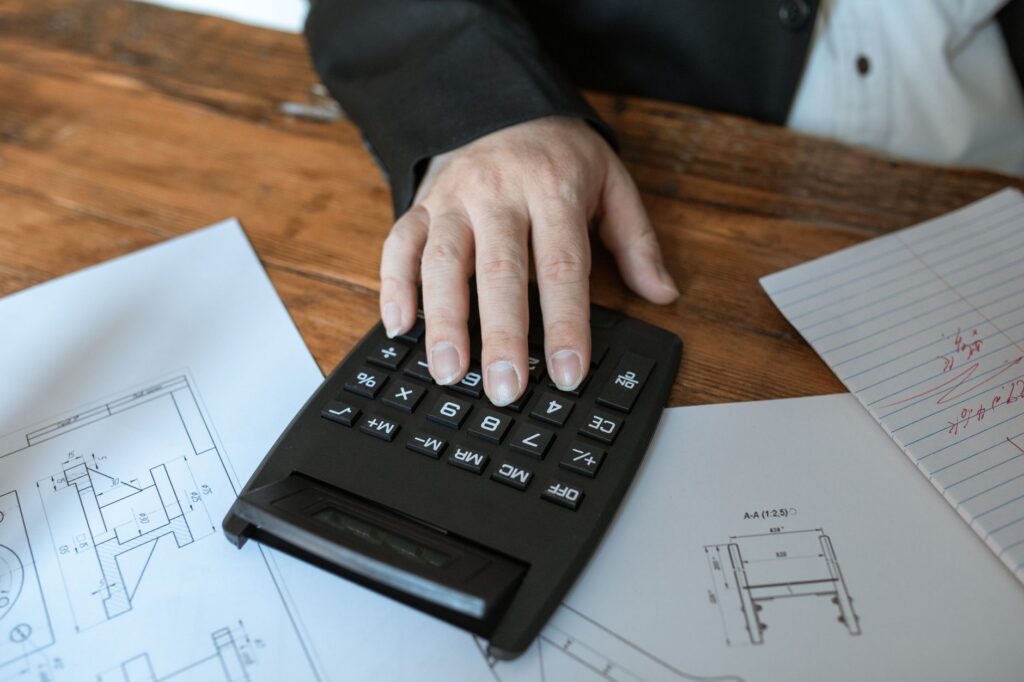
Whether you’re planning to pour a foundation, build a patio, or create a driveway, one of the most critical steps in any concrete project is getting an accurate estimate of how much material you’ll need. A concrete calculator removes the guesswork and helps you avoid costly mistakes, material waste, and budget overruns. In this comprehensive guide, we’ll walk you through everything you need to know about calculating concrete quantities, understanding pricing, and making the most of your concrete project budget. (Related: DIY Home Improvement Projects to Replace Expensive Professional Services) (Related: Gravel Calculator: Estimate Yards & Tons for Any Project) (Related: Complete Chimney Repair & Cleaning Cost Guide 2026) (Related: Home Renovation Cost Calculator Guide for Cardiff Homeowners) (Related: Complete Guide to Chimney Repair Cleaning Costs by Season 2026) (Related: Basement Waterproofing Costs 2026: The Complete Interior vs Exterior Guide)
What Is a Concrete Calculator and Why You Need One
A concrete calculator is a tool that helps homeowners and DIY enthusiasts determine the exact volume of concrete needed for their projects. Rather than relying on rough estimates or complicated mathematical formulas, a concrete calculator takes your project dimensions and instantly tells you how many cubic yards, cubic feet, or bags of concrete mix you’ll need to complete the job successfully.
The importance of accurate concrete calculations cannot be overstated. Ordering too little concrete means multiple trips to suppliers, rush delivery fees, and potential delays in completing your project. Ordering too much results in wasted material and money sitting unused in your yard. A quality concrete calculator ensures you order the right amount the first time, saving both time and money while reducing waste.
Professional contractors use concrete calculators as a standard practice because the cost of concrete mistakes adds up quickly. A standard cubic yard of concrete costs between $130 and $170, depending on your region and current market conditions. For a 1,000-square-foot driveway requiring approximately 15 cubic yards, miscalculating by just a few yards could cost you an extra $500 to $800.
Understanding Concrete Measurements and Volume
Before using a concrete calculator, it’s helpful to understand the basic measurements involved. Concrete is typically measured in cubic yards in the United States, though some regions and suppliers may quote in cubic feet or metric tons. One cubic yard equals 27 cubic feet and covers approximately 325 square feet at a depth of 4 inches.
Most standard concrete projects require depths between 3 and 6 inches. A foundation typically needs 6 to 8 inches of depth, while a basic patio or sidewalk usually requires 4 inches. Driveways should be poured at least 4 inches thick for residential use, though 5 to 6 inches is often recommended in freeze-thaw climates where frost heave can damage thinner concrete.
Your concrete calculator will ask for three basic dimensions: length, width, and depth. These measurements must be in consistent units (all feet or all inches). The calculator then converts these dimensions into cubic yards, accounting for the standard density and composition of concrete mix. This approach works whether you’re planning a simple rectangular pad or a more complex shape, as most calculators can break irregular areas into multiple rectangles.
Common Concrete Project Types and Typical Quantities
Different concrete projects require different thicknesses and therefore different material quantities. Understanding typical requirements for common projects helps you use your concrete calculator more effectively and verify that your results are reasonable.
Patios and Walkways: These projects typically require 4 inches of depth. A 12-by-16-foot patio at 4 inches deep requires approximately 2.4 cubic yards of concrete. A basic sidewalk measuring 3 feet wide and 40 feet long at 4 inches deep uses about 1.5 cubic yards.
Driveways: Standard residential driveways should be poured at least 4 inches thick, with 5 inches being more durable. A 24-by-24-foot driveway at 4 inches requires about 7.1 cubic yards, while the same size at 5 inches needs approximately 8.9 cubic yards. Longer driveways, especially those 30 or 40 feet long, consume significantly more material and may require 15 to 20 cubic yards.
Foundations and Footings: These critical structural elements typically require 6 to 8 inches of depth. A small shed foundation measuring 10 by 12 feet at 6 inches deep needs about 2.2 cubic yards, while a larger garage foundation of 20 by 20 feet at 8 inches deep requires approximately 11.9 cubic yards.
Concrete Steps and Pads: Even small concrete projects add up. A 3-by-4-foot concrete pad at 4 inches deep uses about 0.2 cubic yards. Multiple small pads throughout your property can quickly reach 1 to 2 cubic yards total.
Calculating Costs and Planning Your Budget
Once you’ve determined the volume of concrete needed, cost planning becomes straightforward. Most ready-mix concrete suppliers charge between $130 and $170 per cubic yard, though prices vary significantly based on location. Urban areas typically cost more than rural regions, and peak season (spring and summer) brings higher prices than off-season periods.
For a 10-cubic-yard project, you’re looking at a material cost between $1,300 and $1,700 for the concrete alone. Adding labor, reinforcement materials like rebar or wire mesh, finishing work, and site preparation can easily double or triple the total project cost. A 1,000-square-foot driveway might cost $3,000 to $5,000 when all expenses are included.
To optimize your budget, consider these cost-saving strategies: Order concrete during off-peak months if your timeline allows, as winter prices are typically 10 to 15 percent lower. Some suppliers offer discounts for bulk orders of 10 or more cubic yards. Adding a fiber reinforcement or standard wire mesh costs $30 to $50 per cubic yard but can prevent cracking and extend your concrete’s lifespan. Investing in proper site preparation and form building prevents expensive fixes after the pour.
How to Use a Concrete Calculator for Accurate Results
Using a concrete calculator properly ensures accurate results. Start by measuring your project area carefully, taking multiple measurements if the space isn’t perfectly rectangular. For irregular shapes, break the area into multiple rectangles and calculate each section separately, then add the results together.
Decide on your concrete depth based on the project type. When in doubt, go with 4 inches for most horizontal surface projects, 6 inches for foundations, and 5 to 6 inches for driveways in cold climates. Input these measurements into your calculator using consistent units.
Always add 5 to 10 percent to your calculator results to account for uneven surfaces, spillage, and material loss during the pour. If your calculator shows you need 10 cubic yards, ordering 10.5 to 11 cubic yards is prudent. It’s far easier to return unused concrete than to make emergency supply runs mid-project.
Document your calculations and keep them with your project notes. This information becomes valuable if you need to make repairs, add adjacent concrete work later, or if you’re selling your home and the buyer wants to know construction details.
Frequently Asked Questions
How much does a bag of concrete cost compared to ready-mix?
Bags of concrete typically cost $4 to $8 per 80-pound bag, which covers approximately 0.6 square feet at 4 inches deep. For small projects under 1 cubic yard, bags are convenient but expensive per square foot. Ready-mix concrete costs less per unit volume but requires a minimum order, usually 1 to 2 cubic yards, making it more economical for larger projects.
Can I calculate concrete needs for non-rectangular shapes?
Absolutely. For circular patios, break the circle into wedge-shaped sections and calculate each as a rectangle, or use the area formula for circles (π × radius²) to find square footage. For oddly shaped areas, divide the space into rectangular and triangular sections, calculate each separately using your concrete calculator, and add the results together for total material needed.
What accounts for price differences between concrete suppliers?
Concrete prices vary based on delivery distance (closer is cheaper), air entrainment for freeze protection (adds $5 to $10 per yard), fiber reinforcement additives, current cement and aggregate market prices, regional competition, and whether you’re ordering during peak season. Always get quotes from multiple suppliers before committing to a large order.
Should I account for concrete waste in my calculations?
Yes, always add 5 to 10 percent extra to your calculated amount. Waste occurs through surface irregularities, overfill to ensure complete coverage, spillage during delivery and pouring, and material left in pump lines or delivery trucks. This safety margin prevents mid-project shortages that derail your timeline and inflate costs.
How accurate do my measurements need to be for a concrete calculator?
Measurements should be accurate to within 1 inch for most projects. Minor variations of an inch or two across a large area have negligible impact on total volume and cost. However, for smaller projects or those with specified depths like foundations, being more precise helps ensure you don’t overorder unnecessarily.
Conclusion
A concrete calculator is an indispensable tool for any homeowner planning a concrete project, from small walkways to large driveway installations. By accurately determining the volume of material needed, you save money, reduce waste, and ensure your project moves forward without frustrating delays or supply shortages. Understanding concrete measurements, typical project depths, and how to verify your calculator results gives you confidence in your planning process and helps you budget effectively.
The relatively small investment of time spent calculating concrete requirements pays dividends throughout your project lifecycle. You’ll avoid the stress of miscalculations, the extra expense of rush deliveries or wasted material, and the disappointment of incomplete work. Whether you’re a experienced DIYer or tackling your first concrete project, accurate calculations separate successful projects from costly mistakes.
Use Our Free DIY Calculator
Ready to get an exact concrete estimate for your project? Head to our free DIY calculator at diycalculator.net and input your project dimensions in seconds. Our concrete calculator instantly provides precise cubic yardage requirements, estimated material
- Concrete Mixing Tools & Equipment Kit — Essential tools for DIYers actually executing concrete projects after using the calculator to estimate materials
- Digital Concrete Testing Scale — Helps accurately measure concrete materials and verify calculations for precise project execution
- Concrete Sealer & Protection Coating — Natural upsell for readers completing concrete projects; protects finished surfaces and extends lifespan
See also: DIY Calculator: The Ultimate Guide to Estimating Home Improvement Costs and Materials
See also: How to Use a Mulch Calculator to Estimate Landscape Costs
Related: Common DIY Project Mistakes: How to Avoid Poor Workmanship Results
Related: Concrete Calculator: Your Complete Guide to Estimating Materials and Costs
Related: Concrete Calculator: The Complete Guide to Calculating Material Needs and Project Costs