Chimney cleaning costs $150–$350 for a standard sweep, while repairs range from $200 for minor mortar work to $10,000+ for full rebuilds. Annual cleaning prevents dangerous creosote buildup and carbon monoxide risks. Most homeowners spend $300–$600 total on seasonal chimney maintenance, making it one of the smartest home safety investments you can make. (Related: DIY Home Improvement Projects to Replace Expensive Professional Services) (Related: Gravel Calculator: Estimate Yards & Tons for Any Project) (Related: DIY Calculator: The Ultimate Guide to Estimating Home Improvement Costs and Materials) (Related: Home Renovation Cost Calculator Guide for Cardiff Homeowners) (Related: Complete Guide to Chimney Repair Cleaning Costs by Season 2026) (Related: Basement Waterproofing Costs 2026: The Complete Interior vs Exterior Guide)
What Does Chimney Cleaning and Repair Actually Cost?
I’ll be honest — before I started tracking every home maintenance expense like I tracked my loan refinancing wins, chimney costs completely blindsided me. Let me break down exactly what you’re looking at so you can budget with confidence.
Chimney Cleaning Cost Breakdown
A professional chimney sweep typically charges based on the type of fireplace, chimney height, and creosote buildup level. Here’s what to expect in 2026:
- Standard wood-burning fireplace sweep: $150–$250
- Gas fireplace inspection and cleaning: $75–$150
- Level 2 video inspection (recommended when buying a home): $200–$500
- Dryer vent cleaning add-on: $75–$150
- Creosote removal (heavy buildup): $250–$500 additional
The National Fire Protection Association (NFPA) recommends annual chimney inspections for all fireplaces in use — and that guidance exists for very good reason. Creosote, a highly flammable byproduct of wood combustion, accumulates with every fire you burn. Skipping cleanings doesn’t save money; it builds up a liability.
Chimney Repair Cost Breakdown
Repairs vary wildly depending on what’s failing. Here are the most common issues and their 2026 cost ranges:
- Tuckpointing (mortar repointing): $200–$2,500 depending on area size
- Chimney cap replacement: $150–$600 including installation
- Chimney crown repair or replacement: $300–$1,500
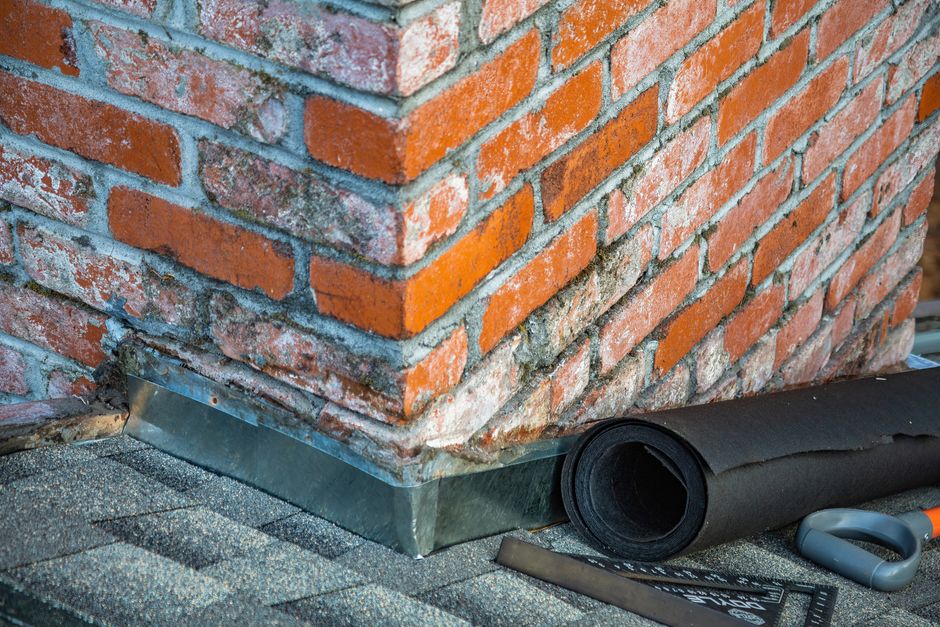
- Flashing repair (prevents water intrusion): $200–$500
- Flue liner replacement (clay tile): $2,500–$7,000
- Stainless steel liner installation: $2,500–$5,000
- Partial chimney rebuild: $1,000–$4,500
- Full chimney rebuild: $4,000–$15,000+
Water damage is the number one enemy of chimneys. A $300 flashing repair ignored for two years can become a $6,000 liner replacement. That math hits hard — trust me, I’ve seen it firsthand with neighbors who delayed the small fix.
Seasonal Maintenance Schedule: When to Clean and Inspect
Timing your chimney maintenance correctly can actually save you money. Sweeps are busiest — and pricier — in fall when everyone panics before heating season. Here’s the smart homeowner’s seasonal approach:
Spring (March–May) — The Smart Window
This is the best time to schedule cleaning and repairs. Demand is low, pricing is competitive, and any moisture damage from winter is fresh and visible. Masons and sweeps have open calendars. I always book my spring appointment in February — prices are often 15–20% lower than fall appointments.
Summer (June–August) — Repair Season
Any masonry repairs identified in spring should be completed now. Mortar and sealants cure best in warm, dry conditions. Chimney caps, crown repairs, and waterproofing applications are most effective when applied in summer temperatures above 50°F.
Fall (September–November) — Inspection Before First Use
If you didn’t clean in spring, fall is your last chance before heating season. Expect higher prices and longer wait times. A quick pre-season inspection ($75–$150) confirms your spring cleaning held and the system is ready to burn safely.
Winter (December–February) — Monitoring Only
Avoid burning unseasoned or wet wood, which accelerates creosote buildup significantly. According to the EPA’s Burn Wise program, burning properly seasoned wood with moisture content below 20% produces significantly less creosote and harmful particulates than wet or green wood. This simple habit reduces your cleaning costs and extends the life of your liner.
Factors That Affect Your Total Annual Cost
- Chimney height: Taller chimneys cost more to clean and repair due to access difficulty
- Number of fireplaces/flues: Each flue requires separate inspection
- Frequency of use: Heavy use (3+ fires per week) may require twice-yearly cleaning
- Fuel type: Wood creates far more creosote than gas or pellet stoves
- Geographic location: Urban markets typically run 20–35% higher than rural areas
The EPA’s guidelines on cleaner burning appliances also note that certified wood stoves and inserts burn more efficiently, which directly translates to less creosote accumulation and lower long-term maintenance costs.
DIY vs. Professional Chimney Maintenance: Real Cost Comparison
Some chimney tasks are genuinely DIY-friendly. Others are absolutely not. Here’s how I break it down:
Safe DIY Tasks
- Inspecting the chimney cap and crown from ground level
- Checking the damper opens and closes fully
- Purchasing and installing a chimney cap ($40–$120 for materials)
- Applying waterproof sealant to the crown (materials: $30–$80)
- Cleaning a dryer vent with a brush kit ($25–$50 tool cost)
Always Hire a Professional
- Full chimney sweeping (improper technique spreads creosote through your home)
- Flue liner inspection and replacement
- Tuckpointing and masonry repairs (structural integrity issues)
- Flashing replacement (requires roofing knowledge)
DIY chimney sweeping kits exist and cost $50–$150, but professional sweeps remove debris in a controlled way with industrial vacuums. One bad DIY attempt and you’re cleaning black soot off furniture and walls — I’ve heard this story from too many homeowners.
How to Use the Calculator to Estimate Your Chimney Costs
Ready to get a real number for your situation? The home maintenance cost calculator at DIYCalculator.net lets you input your chimney type, location, and service needs to generate a personalized estimate. Instead of guessing
- Chimney Sweep Brush & Rod Kit — DIY chimney cleaning tool that helps homeowners perform basic maintenance between professional cleanings, directly supporting the post’s emphasis on regular cleaning and cost savings
- Creosote Removal Log (Chimney Cleaning Product) — Chemical solution that reduces dangerous creosote buildup mentioned in the post as a key safety concern, offering a preventative maintenance product
- Carbon Monoxide Detector — Complements the post’s safety messaging about carbon monoxide risks from neglected chimneys, providing an essential complementary home safety product
See also: How to Use a Mulch Calculator to Estimate Landscape Costs
See also: Concrete Calculator: A Complete Guide to Estimating Your Project Costs and Materials