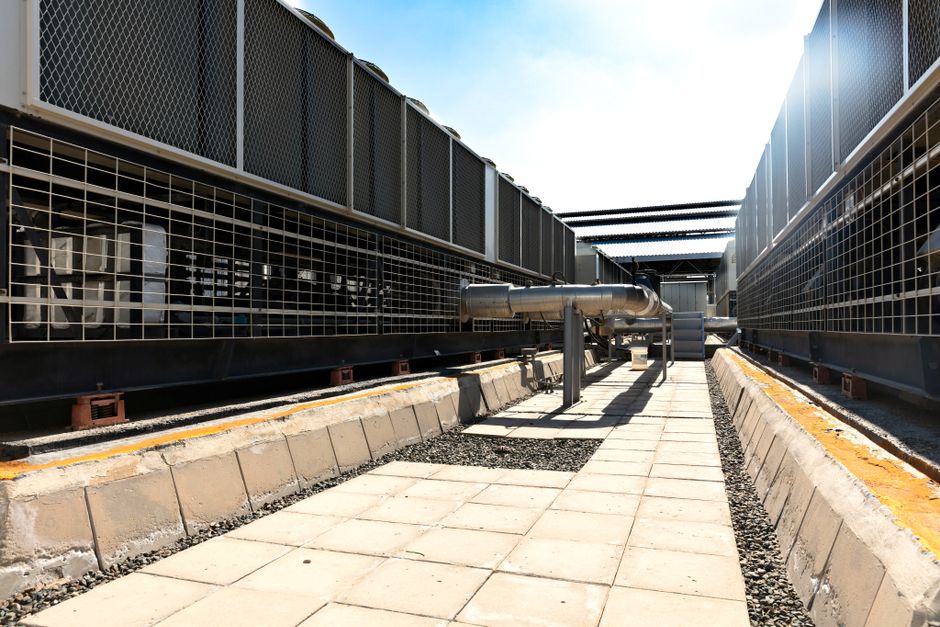
HVAC system costs typically range from $5,000 to $15,000 for a complete installation. Furnace units average $2,500–$6,000, air conditioning systems cost $3,000–$8,000, and ductwork ranges from $1,500–$3,000. Final price depends on home size, system efficiency, and local labor rates. (Related: Regional DIY project costs and calculator tools for UK home improvement hotspots) (Related: Complete Guide to Crown Molding Costs by Linear Foot in 2026) (Related: Energy Audit Costs: The Complete 2026 Guide to Professional Assessment ROI)
Average HVAC System Cost Breakdown
When I refinanced my student loans, I used the same strategy I now apply to every big purchase: break it down into components before committing to anything. Your HVAC replacement cost works exactly the same way. There’s no single price tag — you’re really combining three separate systems into one project.
Here’s a realistic cost snapshot for a typical 2,000 sq ft home in 2026:
- Furnace unit + installation: $2,500–$6,000
- Central air conditioning unit + installation: $3,000–$8,000
- Ductwork installation or replacement: $1,500–$3,000
- Permits and inspections: $250–$500
- Thermostat (smart upgrade): $150–$350
That puts a full heating and cooling system price somewhere between $7,400 and $17,850 when everything is included. The national median lands around $10,000–$12,000 for a full system swap.
How much does it cost to install a new HVAC system?
A new HVAC system costs between $5,000 and $15,000 on average, though high-efficiency systems in larger homes can push past $20,000. The biggest variable is whether you’re replacing individual components or going for a full system overhaul, including new ductwork. Labor typically accounts for 40–50% of your total bill.
Furnace Installation Cost Factors
Furnace installation cost varies more than most homeowners expect. The unit itself is only part of the story.
What factors affect the total cost of furnace and AC installation?
Several key factors drive your final number:
- Fuel type: Gas furnaces ($700–$2,000 for the unit) are cheaper upfront than electric or oil systems but require gas line access. Electric furnaces run $500–$1,500 but carry higher monthly operating costs in most regions.
- AFUE efficiency rating: Standard 80% AFUE furnaces cost less than high-efficiency 95%+ AFUE models, which can run $1,200–$3,500 just for the unit. According to the U.S. EPA’s ENERGY STAR program, high-efficiency furnaces can reduce heating costs by up to 15% annually compared to older standard-efficiency models.
- Home square footage: Larger homes need higher BTU output. A 1,200 sq ft home might run fine on a 60,000 BTU furnace, while a 3,000 sq ft home needs 100,000+ BTU — and the price difference is significant.
- Labor and regional rates: HVAC labor runs $75–$150/hour depending on your market. Urban areas in California, New York, and the Pacific Northwest skew higher.
- Removal of old equipment: Expect $300–$600 to haul away your old furnace and properly dispose of refrigerants in your AC unit.
The brand tier also matters. Budget brands (Goodman, Payne) run 20–30% less than premium brands (Carrier, Trane, Lennox), though warranties and long-term reliability differ meaningfully.
Air Conditioning Unit Pricing
Air conditioning unit price varies by system type, SEER2 efficiency rating, and whether you’re pairing it with an existing furnace or buying a matched system.
Here’s how the main system types shake out in 2026:
- Central split system (most common): $3,000–$8,000 installed. This pairs an outdoor condenser with an indoor air handler or coil attached to your furnace.
- Heat pump system: $4,000–$10,000 installed. Handles both heating and cooling, making it an excellent value in moderate climates. The EPA’s ENERGY STAR data confirms heat pumps can be 2–3x more efficient than conventional electric heating.
- Ductless mini-split: $2,000–$5,000 per zone installed. Great for additions, garages, or homes without existing ductwork.
- Packaged unit (roof or slab-mounted): $4,000–$9,000. Common in warmer climates where attic space is limited.
SEER2 ratings (the updated efficiency standard that replaced SEER in 2023) now have federally mandated minimums by region. In the South and Southwest, the minimum is 14.3 SEER2. The higher the SEER2, the higher the upfront cost — but the lower your monthly electric bill. A 20 SEER2 unit costs 25–40% more than a minimum-efficiency model but can pay back that premium in 5–8 years depending on your climate zone.
Want to calculate whether a higher-efficiency AC makes financial sense for your home? Use our HVAC cost calculator to model the numbers before you buy.
Ductwork Installation Expenses
People consistently underestimate ductwork installation expense, and it can blow up a budget fast. If your home has no existing ductwork, you’re looking at $3,000–$6,000 or more for a full new system. Replacing or repairing existing ducts runs $1,500–$3,000.
Key ductwork cost drivers:
- New installation vs. replacement: New duct systems in existing homes require cutting into walls and ceilings, which significantly raises labor costs.
- Material type: Sheet metal ducts are durable but expensive. Flexible duct is cheaper but degrades faster and can reduce airflow efficiency if improperly installed.
- Sealing and insulation: According to the EPA, homes can lose 20–30% of conditioned air through leaky ducts. Professional sealing ($300–$700) pays back quickly in energy savings.
- Home layout complexity: Multi-story homes, homes with concrete slabs, or older homes with unusual framing cost more to duct properly.
How to Calculate Your HVAC Cost
Getting an accurate estimate before calling contractors puts you in a much stronger negotiating position. Here’s a simple framework:
- Calculate your home’s square footage and note your climate zone (affects minimum efficiency requirements).
- Decide whether you’re replacing one component or the whole system — replacing only the AC while keeping an older furnace often creates compatibility problems.
- Get at least three contractor bids. HVAC quotes vary by 20–40% for the same work. Recommended Resources:
- Nest Learning Thermostat — Complements HVAC system purchases by helping homeowners optimize their new heating/cooling investment and reduce energy costs
- HVAC System Air Filter Combo Pack — Essential maintenance product for newly installed HVAC systems; readers will need ongoing supplies for their systems
- Digital Multimeter for HVAC Testing — Useful tool for DIY-minded homeowners who want to monitor their HVAC system performance and troubleshoot basic issues