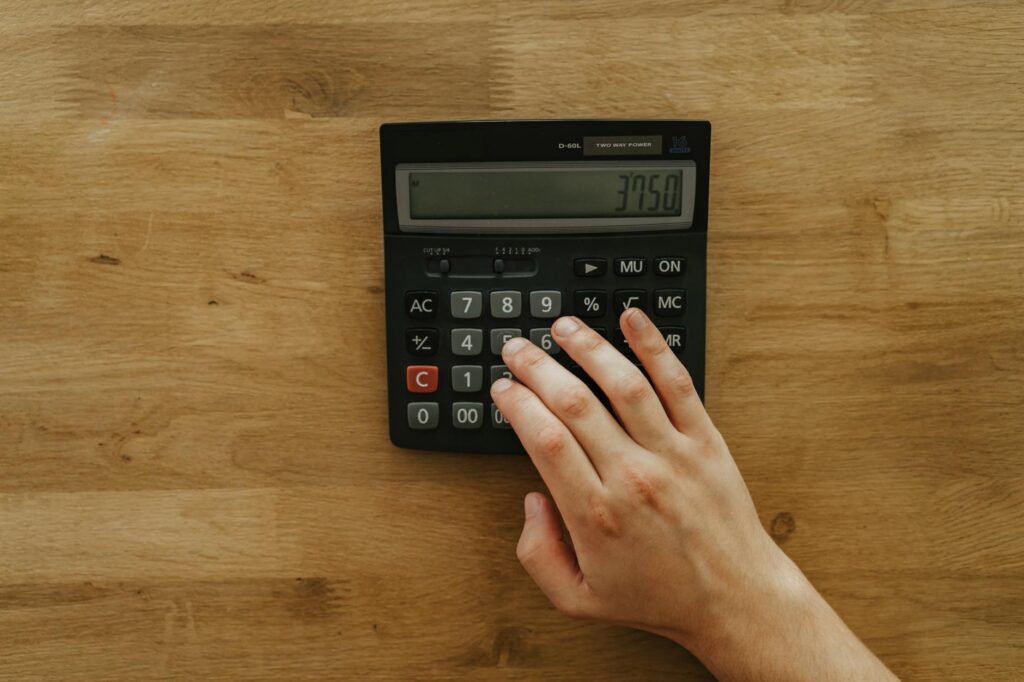
Whether you’re planning a small backyard patio or a large driveway replacement, calculating the right amount of concrete is essential for staying on budget and avoiding costly mistakes. A concrete calculator removes the guesswork from one of the most important steps in any concrete project. This guide explains how concrete calculators work, why they matter, and how to use one effectively to plan your next DIY project.
Concrete projects account for billions of dollars in home improvement spending each year. From simple garden walkways to complex foundation work, accurate measurements determine whether you’ll have enough material on hand, prevent waste, and help you estimate your total project cost. Many homeowners attempt these calculations manually and end up either ordering too much concrete—wasting money—or too little, forcing them to make additional orders at premium prices.
What Is a Concrete Calculator and Why You Need One
A concrete calculator is a digital tool designed to compute the volume of concrete needed for your specific project dimensions. Rather than wrestling with complex mathematical formulas, you simply input the length, width, and depth of your project area, and the calculator instantly delivers the cubic yards or cubic meters required.
Concrete is sold by volume, typically measured in cubic yards (in the United States) or cubic meters (internationally). One cubic yard equals 27 cubic feet and covers approximately 80 to 100 square feet at a standard 4-inch depth. Understanding this relationship is crucial, which is why a concrete calculator automates the conversion process and eliminates calculation errors.
Most concrete projects also include labor and material costs ranging from $120 to $200 per cubic yard for standard concrete. By calculating the exact volume needed, you can generate an accurate budget estimate within minutes rather than hours of research and manual calculations.
How to Measure Your Project Area Correctly
Accurate measurements are the foundation of any concrete calculator’s usefulness. Before you enter any numbers, you need to measure your project area with precision. Use a 25-foot or longer tape measure, and measure at least three different points across both the length and width to account for irregularities in your yard or foundation.
For rectangular areas—driveways, patios, and walkways—measure the total length and total width. If your project has an unusual shape, break it down into smaller rectangular sections, calculate each separately, and then add the totals together. For example, an L-shaped patio should be divided into two rectangles, calculated independently, then combined.
Depth measurements are equally critical. Standard concrete slabs for driveways and patios are typically 4 inches thick, while walkways might be 3 inches, and garage floors often require 4 to 6 inches. Basement foundations and utility pads may need 6 inches or more. Record the depth in the same unit system you use for length and width—either all inches or all feet—before inputting into a concrete calculator.
Common Concrete Project Types and Typical Volumes
Understanding typical concrete volumes for standard projects helps you validate your calculator results. A 20-foot by 20-foot driveway at 4 inches deep requires approximately 5.9 cubic yards of concrete, costing between $600 and $1,200 depending on your region and concrete mix type.
A 16-foot by 12-foot patio at 4 inches deep needs roughly 2.4 cubic yards, with costs typically ranging from $280 to $480. Small 4-foot by 8-foot garden pathways require approximately 0.4 cubic yards, or about $50 to $80 in material costs.
Concrete pads for air conditioning units, hot tubs, or garden structures usually measure 3 to 4 feet by 3 to 4 feet at 4 inches deep, requiring less than 0.2 cubic yards each. Multiple small pads add up quickly, so a concrete calculator is particularly valuable for projects with several separate pour locations.
Factors That Affect Concrete Costs Beyond Volume
While volume determines the amount of concrete needed, several other factors influence your total project cost. Concrete mix type varies significantly—standard gray concrete costs $120 to $150 per cubic yard, while decorative finishes like stained or stamped concrete run $200 to $300+ per cubic yard.
Site preparation and accessibility also impact pricing. Projects requiring substantial excavation, grading, or removal of existing concrete add $200 to $1,000+ depending on complexity. If concrete trucks can easily access your site, costs remain predictable. Remote or difficult-to-access areas may require pump trucks or hand-placed concrete, increasing expenses by 30 to 50 percent.
Reinforcement materials—wire mesh, rebar, or fiber additives—add $15 to $50 per cubic yard. Sealing finished concrete for protection and appearance enhancement typically costs $0.50 to $2.00 per square foot after the initial pour and cure.
Delivery fees often surprise homeowners. Most concrete suppliers charge delivery fees between $50 and $300 depending on distance and truck size. Some suppliers waive fees for orders above certain volumes, so clarify this when requesting quotes.
Using a Concrete Calculator Step-by-Step
Once you’ve gathered accurate measurements, using a concrete calculator is straightforward. First, select the unit system—feet and inches for US projects or meters for metric measurements. Input your project’s length, width, and depth in the appropriate fields. Most calculators automatically convert between units for convenience.
The calculator displays results in cubic yards, cubic meters, or both. It may also show equivalent measurements—bags of concrete needed if you’re hand-mixing or total weight in pounds or kilograms. Some advanced calculators provide cost estimates based on regional pricing data you can customize.
Review the results carefully, then add 5 to 10 percent extra to account for waste, spillage, or miscalculations in your measurements. Professional contractors typically recommend ordering 10 percent above calculated volumes for projects with potential for error. For a 10-cubic-yard project, this means ordering 11 cubic yards.
Save or print your calculator results to reference when contacting concrete suppliers. These documented calculations strengthen your credibility and help suppliers prepare accurate quotes without requiring site visits.
Frequently Asked Questions
How much does concrete cost per cubic yard?
Standard concrete typically costs $120 to $200 per cubic yard before delivery and installation fees. Decorative concrete, such as stamped or stained finishes, ranges from $200 to $400 per cubic yard. Your local market, concrete quality, and supplier competition significantly influence pricing in your area.
Can I mix concrete myself instead of ordering ready-mix?
Yes, smaller projects under 1 cubic yard are often mixed by hand using bags of concrete mix. Standard 80-pound bags yield approximately 0.6 cubic feet, so a 10-cubic-foot project requires roughly 17 bags at $4 to $6 each. For projects larger than 1 or 2 cubic yards, ready-mix concrete delivered by truck becomes more economical and practical than hand-mixing.
What’s the difference between cubic yards and cubic feet?
One cubic yard equals 27 cubic feet. Concrete suppliers use cubic yards because they represent the volume delivered by standard truck loads. If your calculator returns results in cubic feet, divide by 27 to convert to cubic yards, the standard measurement for ordering concrete.
How long does concrete take to cure before I can use it?
Concrete typically reaches 90 percent strength in 28 days, but you can usually walk on it within 24 to 48 hours if conditions are favorable. Driving on a driveway should wait a full 7 days after pour, and heavy loads should not be applied for the full 28-day curing period. Cool, wet conditions extend curing time, while warm, dry weather accelerates the process.
Should I hire a professional or DIY my concrete project?
Simple, small projects like 4-foot by 8-foot stepping stone pads are excellent DIY candidates. Larger pours—driveways, foundation pads, or expansive patios—require professional equipment, proper grading, and finishing techniques. Most homeowners successfully DIY projects under 50 square feet but benefit from professional help for larger installations where mistakes are costly to correct.
Conclusion
A concrete calculator transforms concrete project planning from stressful guesswork into confident, data-driven decision-making. Accurate volume calculations prevent costly overages and shortages while allowing you to establish realistic budgets before contacting suppliers.
Whether you’re pouring a small garden pathway or a full driveway replacement, taking 5 minutes to measure carefully and use a reliable calculator saves time, money, and headaches throughout your project. The difference between calculating manually and using a digital calculator is often $200 to $500 in wasted materials or rush delivery fees.
Start planning your next concrete project with confidence by using our free DIY calculator to generate accurate estimates, detailed cost breakdowns, and professional documentation for contractor quotes. Your carefully calculated project becomes predictable, manageable, and successful.
Use Our Free DIY Calculator
Stop guessing and start calculating. Head to diycalculator.net today and access our free concrete calculator—instantly generate cubic yard requirements, material costs in your region, and waste allowances for your specific project dimensions. Within seconds, you’ll have professional-grade estimates that empower you to request accurate contractor quotes, order the right amount of concrete the first time, and save hundreds of dollars on your next home improvement project. Your perfectly calculated concrete project starts right now.
- Concrete Calculator App/Software — Directly complements the guide by providing digital tools to implement the calculations discussed in the post
- Digital Measuring Tape/Laser Distance Meter — Essential tool for accurately measuring dimensions before using a concrete calculator for DIY concrete projects
- Concrete Mixing Tools & Equipment Set — Once users calculate concrete needs, they'll require proper tools for mixing and pouring, making this a natural follow-up purchase
If you do work for others professionally, general liability insurance protects you from property damage and injury claims. Hiscox makes it easy to get covered.
Get a Free Hiscox Quote →
Affiliate disclosure: We may earn a commission if you get a quote through this link, at no cost to you.
Related: Gravel Calculator: The Complete Guide to Estimating Gravel for Any Project