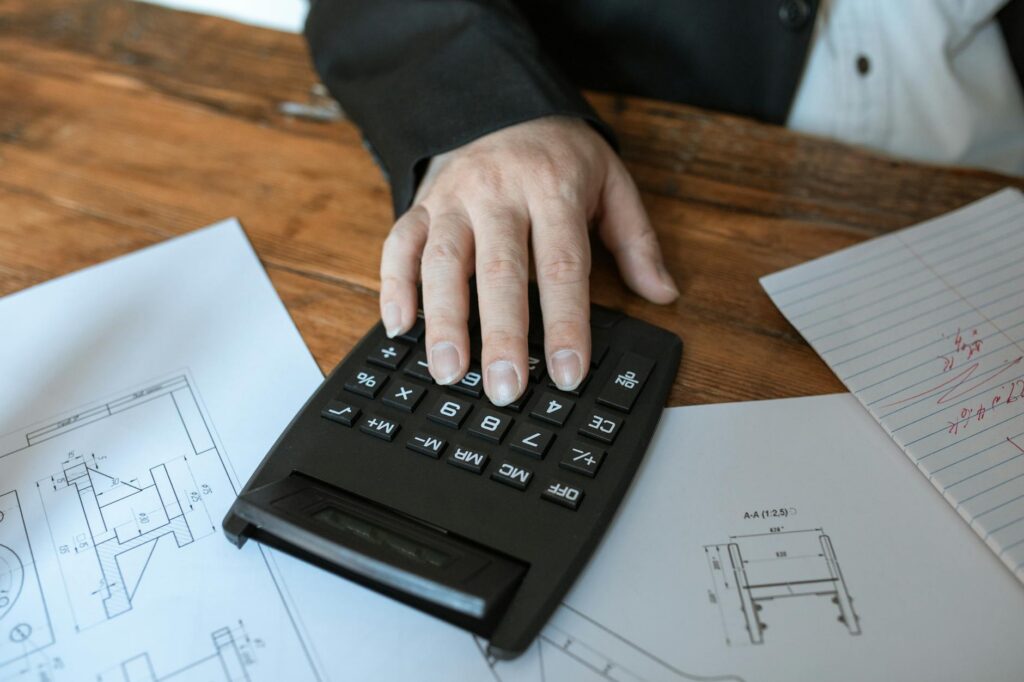
Whether you’re planning a kitchen renovation, building a deck, or installing new flooring, accurate calculations are essential to keeping your DIY projects on budget and on schedule. A DIY calculator is one of the most underutilized tools in a homeowner’s toolkit, yet it can save thousands of dollars and prevent costly mistakes. From material estimates to labor hour predictions, these digital tools help you plan smarter, spend less, and finish stronger.
This comprehensive guide walks you through everything you need to know about DIY calculators—what they do, how to use them effectively, and why every homeowner should have access to one before starting their next project.
What Is a DIY Calculator and Why You Need One
A DIY calculator is a specialized tool designed to help homeowners estimate project costs, quantities, and timelines without requiring professional expertise. Unlike standard calculators that only perform basic math, DIY calculators are built specifically for home improvement tasks and account for variables like waste percentages, labor rates, material pricing, and regional cost differences.
The average homeowner underestimates project costs by 15-25 percent, according to home improvement surveys. A DIY calculator bridges this gap by automating complex calculations and factoring in real-world variables. For example, if you’re calculating drywall needs for a 12-by-15-foot room, a standard calculator requires you to remember formulas, account for waste, and adjust for door and window openings. A dedicated DIY calculator handles all of this automatically and instantly.
These tools are free or extremely affordable, require no special training to use, and typically provide results in seconds. They’re invaluable whether you’re a complete beginner or an experienced DIYer tackling your tenth renovation.
Common Types of DIY Calculators and Their Uses
Different home improvement projects require different calculations. Understanding which calculator type matches your project helps you get the most accurate results.
Material Calculators estimate the quantity and cost of materials you’ll need. Paint calculators determine how many gallons you need based on square footage and surface type. Flooring calculators tell you how many square feet of tile, hardwood, or laminate to purchase, accounting for cuts and waste. Drywall calculators compute the number of sheets needed for walls and ceilings, while insulation calculators measure R-value requirements and cubic footage to fill.
Cost Estimators break down total project expenses by category. Bathroom renovation calculators gather information about fixtures, finishes, and labor costs to predict a realistic budget. Kitchen remodel calculators account for cabinetry, countertops, appliances, and installation fees. Deck building calculators estimate lumber, fasteners, and finishing material costs based on size and wood type.
Measurement and Area Calculators convert units and compute square footage, linear footage, and volume. These are essential for purchasing materials in the correct quantities. For instance, a tile calculator might convert a room measurement in feet to the number of tiles needed, accounting for grout lines and cuts around obstacles.
Project Timeline Calculators estimate how long tasks will take based on complexity and your experience level. These help you plan whether a project is a one-weekend job or requires professional help due to time constraints.
How to Use a DIY Calculator Effectively
Getting accurate results from a DIY calculator depends on providing accurate input. Here’s a step-by-step approach to using these tools correctly.
Step 1: Gather Your Measurements before opening the calculator. Use a tape measure to get accurate room dimensions, wall heights, and opening sizes. Measure twice to confirm accuracy. For projects like roofing or exterior siding, measure from the ground or use aerial photos from mapping services.
Step 2: Identify Your Materials and Specifications. Know whether you want premium or budget-grade materials, as this dramatically affects costs. For flooring, decide between $2-per-square-foot vinyl, $5-per-square-foot laminate, or $10-plus-per-square-foot hardwood. These differences compound quickly across a 200-square-foot room.
Step 3: Input Data Carefully. Most calculators use dropdown menus or fields where you enter measurements and select options. Take time to input information correctly. A mistake of a few inches in a room size can result in purchasing 10-15 percent too much material.
Step 4: Review the Results and Adjust. Quality calculators show a cost breakdown by category. Review each line item. If paint costs seem high, verify your room dimensions. If material costs vary significantly from your local quotes, adjust the calculator’s default pricing to match your local market.
Step 5: Add a Contingency Buffer. Most calculators produce minimum estimates. Add 10-15 percent extra to your material estimates for waste, mistakes, and unforeseen complications. This simple practice prevents mid-project supply runs and rush fees.
Key Benefits of Using a DIY Calculator
Homeowners who use DIY calculators report significant advantages over those who estimate manually or hire professionals for estimates.
Cost Savings are immediate and measurable. Accurate estimates prevent overbuying materials by 20-30 percent, saving $300-$2,000 on a typical mid-sized project. You also avoid emergency purchases at premium prices when you realize mid-project that you didn’t buy enough paint or tile.
Time Efficiency improves when you know exactly what materials you need before visiting the store. Instead of multiple trips, you gather everything in one shopping visit. Complex calculations that would take 30 minutes by hand are solved in seconds by the tool.
Better Project Planning becomes possible when you have reliable cost and timeline data. You can prioritize projects, apply for permits with accurate budgets, and schedule contractor involvement strategically.
Confidence Building comes from understanding your project’s true scope and cost. Beginners particularly benefit, as DIY calculators level the playing field against the learning curve of estimating materials professionally.
Regional Accuracy is built into quality calculators that account for local labor rates, material pricing variations, and climate-specific requirements. A roofing project in Colorado has different structural and material needs than one in Florida.
Tips for Maximizing Calculator Accuracy
Start with the most detailed calculator available for your specific project type. A general-purpose renovation calculator won’t be as accurate as one built specifically for tile flooring or deck construction.
Compare results across multiple calculators if possible. If two independent tools give dramatically different estimates, investigate why. One might be accounting for waste or regional pricing differently.
Use your calculator results as a baseline, then get actual quotes from local suppliers. Prices vary 15-20 percent between retailers and regions. A calculator provides a solid estimate; local quotes provide confirmation and help you spot deals.
Update calculator inputs as your project plan evolves. If you change flooring types midway through planning, recalculate immediately so your budget stays accurate.
Frequently Asked Questions
How accurate are DIY calculators?
Quality DIY calculators are typically accurate within 5-10 percent when you input correct measurements and specifications. Accuracy depends entirely on the accuracy of your input data and how well the calculator accounts for waste percentages and regional pricing variations. Always add a 10-15 percent contingency buffer for unexpected complications or mistakes.
Can I use a DIY calculator for commercial projects?
Most DIY calculators are designed for residential projects with standard materials and dimensions. Commercial projects involve different specifications, bulk pricing, specialized materials, and compliance requirements. You can use DIY calculators as a rough baseline, but you’ll need professional estimating services for accurate commercial project quotes.
Do DIY calculators account for waste and mistakes?
Many calculators include built-in waste percentages ranging from 10-20 percent depending on the material and project type. However, not all do, so check whether your calculator includes waste factors. If it doesn’t, manually add 10-15 percent to material quantities to account for cuts, breakage, and installation mistakes.
How do I know which calculator to use for my specific project?
Search for calculators specific to your project type—if you’re installing tile, use a tile calculator; if you’re insulating an attic, use an insulation calculator. General renovation calculators work for overview estimates, but specialized tools designed for your exact task provide the most accurate results and fastest calculations.
Are there free DIY calculators available online?
Yes, many reputable home improvement websites and retailers offer free DIY calculators. The best free tools are found on home depot websites, contractor resources, and dedicated calculator platforms. Some offer additional premium features, but the basic versions provide excellent accuracy for homeowner planning purposes without any cost.
Use Our Free DIY Calculator
Ready to start planning your next home improvement project with confidence? Head to our free DIY calculator at diycalculator.net to get instant estimates on material quantities, project costs broken down by category, and timeline projections. Whether you’re planning a $500 paint refresh or a $15,000 bathroom renovation, our calculators deliver specific dollar amounts and material lists you can use immediately for shopping and budgeting. Try our tool today and eliminate the guesswork from your DIY projects.
Conclusion
A DIY calculator is an essential tool for any homeowner planning a renovation, repair, or improvement project. These specialized tools save time, prevent costly overbuying mistakes, and give you the confidence to tackle projects independently. By understanding what DIY calculators do, how to use them effectively, and how to maximize their accuracy, you transform an uncertain estimate into a reliable project blueprint.
Whether you’re a seasoned DIY veteran or a complete beginner, using the right calculator helps you plan smarter, spend wisely, and achieve professional-quality results on your home improvement goals.
- Calculated Industries Construction Calculator — Specialized calculator designed for construction and home projects with built-in formulas for measurements, materials, and costs – directly complements the blog’s focus on DIY project calculations
- Digital Measuring Tape and Laser Distance Meter — Essential tool for accurate measurements needed before using DIY calculators for kitchen renovations, decking, and flooring projects mentioned in the post
- Project Planning Software (Home Depot’s Project Calculator Tool or Similar) — Integrates calculation tools with material estimation and budgeting features to keep DIY projects on budget and schedule, addressing the post’s core promise of cost and time savings
Related: DIY Project Cost & Material Calculator: 6 Weekend Home Improvement Projects
Related: Fire Extinguisher Selection Calculator: Choosing the Right Type and Size for Your Home
Related: Health and Safety Guide: Proper Rodent Cleanup Procedures for Homeowners
Related: DIY Calculator: The Ultimate Guide to Home Improvement Estimation Tools
Related: Flooring Calculator: Measuring Right the First Time
Related: DIY Tool Investment Calculator: Which Essential Tools to Buy vs. Borrow for Home Projects