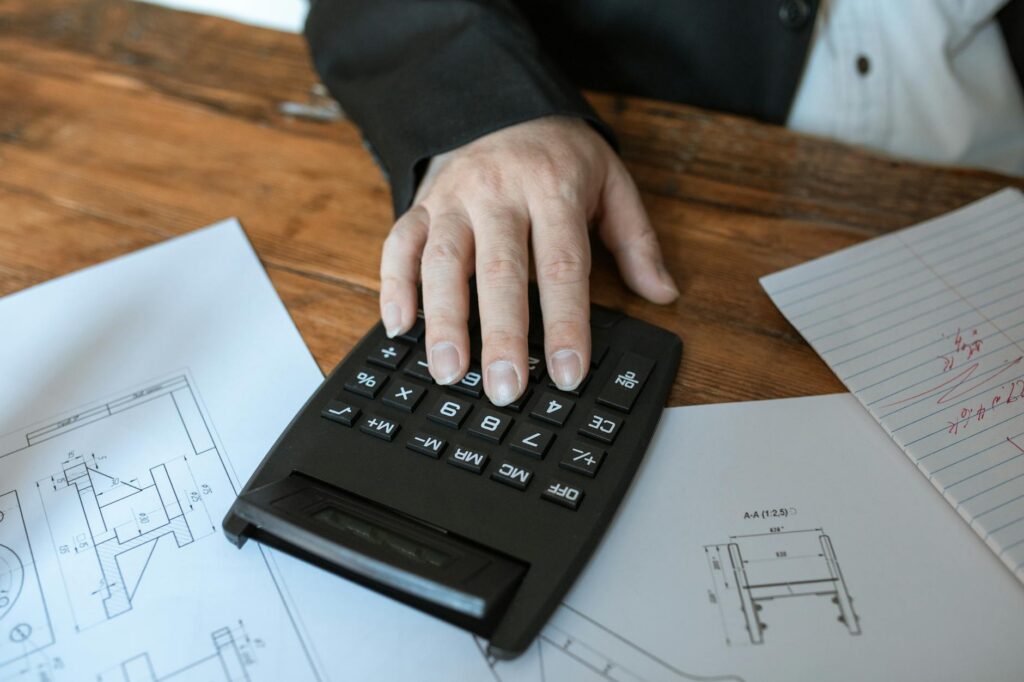
Whether you’re planning to refinish your basement, install new flooring, or tackle a kitchen renovation, one of the biggest challenges homeowners face is estimating costs accurately. A DIY calculator is an invaluable tool that helps you determine material quantities, labor costs, and total project budgets before you buy a single nail or turn on a power drill. In this comprehensive guide, we’ll explore what a DIY calculator is, why it matters, and how to use one effectively to save money on your home improvement projects.
What Is a DIY Calculator and Why You Need One
A DIY calculator is a specialized online tool designed to help homeowners estimate the costs, materials, and time required for home improvement projects. Unlike a standard calculator, a DIY calculator takes into account specific project parameters such as room dimensions, material types, labor rates, and regional pricing variations to deliver accurate estimates tailored to your situation.
The average homeowner spends between $15,000 and $50,000 on home improvement projects annually, yet most don’t have a clear budget beforehand. This lack of planning leads to cost overruns averaging 20% to 30% beyond initial estimates. By using a DIY calculator early in your planning phase, you can avoid these common budget pitfalls and make informed decisions about which projects to prioritize and how much to allocate to each.
A quality DIY calculator eliminates guesswork by providing data-driven estimates. Whether you’re calculating how much paint you need for a bedroom refresh or determining the cost of installing new tile flooring, these tools account for waste, labor, and material price fluctuations to give you realistic numbers you can trust.
Common Home Projects That Benefit from DIY Calculators
Different types of home improvement projects require different calculation approaches. Understanding which projects benefit most from using a calculator can help you prioritize and plan more effectively.
Flooring Projects: Whether you’re installing laminate, hardwood, vinyl, or tile flooring, a flooring calculator considers room square footage, material costs per square foot (typically ranging from $2 to $12 per square foot depending on material), and labor expenses. The calculator factors in waste rates of 5% to 10% to ensure you purchase sufficient material.
Painting Projects: A painting calculator determines how many gallons of paint you need based on room dimensions and wall surface area. One gallon typically covers 300 to 400 square feet. The calculator also estimates paint costs (ranging from $20 to $60 per gallon depending on quality) and whether you need primer, which adds $15 to $30 per gallon.
Kitchen and Bathroom Renovations: These projects are among the most expensive, with kitchen remodels averaging $55,000 and bathroom updates ranging from $8,000 to $25,000. A comprehensive DIY calculator breaks down cabinet costs, countertop expenses, fixture pricing, and labor estimates to help you allocate your budget strategically.
Deck and Patio Construction: Using a deck builder calculator, you can estimate lumber costs, fastener expenses, and finishing material prices based on your deck’s size and design. A basic 12-by-16-foot deck typically costs between $3,000 and $8,000 in materials.
Drywall and Insulation: These calculators help you determine how many sheets of drywall, studs, and insulation batts you need, plus the cost per unit. A typical bedroom might require 10 to 15 sheets of drywall at $10 to $15 each.
How to Use a DIY Calculator Effectively
To get the most accurate estimates from a DIY calculator, you need to input precise information. Here’s a step-by-step approach to maximize the value of these tools.
Step 1: Measure Your Space Accurately. Before entering any data into a calculator, measure your room or project area carefully. Use a tape measure and write down length, width, and height measurements. For odd-shaped rooms, break them into smaller rectangles and calculate each section separately. Accuracy at this stage directly impacts the reliability of your final estimate.
Step 2: Identify Your Material Preferences. DIY calculators typically offer multiple material options at different price points. For example, flooring calculators might offer oak hardwood at $8 per square foot, laminate at $3 per square foot, or luxury vinyl at $5 per square foot. Select the materials you actually want to use, not the cheapest option, since your estimate should match your real-world plans.
Step 3: Account for Your Location. Material and labor costs vary significantly by region. A gallon of paint costs more in California than in Mississippi. Many advanced DIY calculators allow you to input your zip code to receive location-adjusted pricing. This produces estimates that better reflect what you’ll actually pay.
Step 4: Factor in Waste and Contingency. Professional contractors build in waste factors of 5% to 15% depending on the project complexity. Don’t ignore this when reviewing calculator results. For intricate tile patterns or complex trim work, expect higher waste. The calculator should account for this automatically, but it’s worth understanding that your actual purchase quantity will exceed the minimum requirement.
Step 5: Review the Itemized Breakdown. Quality DIY calculators provide itemized lists showing material costs, labor estimates, tool rentals, and other expenses. Review this breakdown carefully. If a line item seems unusually high or low, investigate why. This detailed view helps you identify areas where you can make adjustments or find savings.
Money-Saving Tips When Using a DIY Calculator
Armed with accurate estimates from a DIY calculator, you can implement several strategies to reduce your actual spending without compromising quality.
First, use your calculator results to shop around. With specific material quantities and product specifications in hand, you can request quotes from multiple suppliers and contractors. Studies show that homeowners who compare at least three quotes typically save 10% to 15% on project costs.
Second, consider a phased approach. If your calculator reveals that your dream kitchen remodel costs $40,000 but your budget is only $25,000, break the project into phases. Upgrade cabinets and countertops in year one, then add flooring and appliances in year two. A DIY calculator helps you determine which components to prioritize.
Third, explore alternative materials. If a calculator shows that granite countertops cost $3,500 but engineered quartz costs $2,200, you can adjust your estimate and see the savings immediately. This helps you make informed compromises without sacrificing aesthetics.
Finally, determine which tasks you can DIY versus which require professional labor. A painting project might be entirely DIY-friendly, saving you $400 to $800 in labor costs. Electrical work, however, typically requires licensed professionals. Your calculator should distinguish between these tasks to help you make smart decisions about where to save labor costs.
Frequently Asked Questions
How accurate are online DIY calculators?
Online DIY calculators are typically 85% to 95% accurate when you input precise measurements and current material prices. Their accuracy depends on the quality of your input data and regional pricing variations. For the most reliable estimates, use calculators that allow zip code input for location-based pricing adjustments and cross-reference results with local supplier quotes.
Can a DIY calculator help me compare different project options?
Absolutely. Most DIY calculators allow you to adjust parameters like material types, quality levels, and project scope to see how costs change. This lets you compare hardwood versus laminate flooring, or a basic versus premium kitchen renovation, helping you find the best value for your budget.
What information do I need before using a DIY calculator?
You’ll need accurate measurements of your space (length, width, and height), your zip code or location for regional pricing, information about your material preferences, and clarity on whether you’ll hire professionals or DIY certain tasks. Having a general budget range also helps you evaluate whether your project is feasible as currently envisioned.
Do DIY calculators account for labor costs or just materials?
Most comprehensive DIY calculators include both material and labor cost estimates. They typically estimate labor based on regional rates and project complexity. If you plan to handle the labor yourself, you can often toggle off labor costs to see material-only pricing, though this may exclude specialized tools you’ll need to rent.
Can DIY calculators help with complex projects like bathroom renovations?
Yes, many advanced DIY calculators handle complex projects by breaking them into components. You can calculate flooring, tile work, plumbing fixture costs, cabinetry, and labor separately, then combine estimates for a comprehensive renovation budget that covers every aspect of the project.
Use Our Free DIY Calculator
Stop estimating and start calculating. Head to our free DIY calculator at diycalculator.net to get precise project estimates instantly. Whether you’re planning a small bathroom refresh or a major kitchen overhaul, our calculator provides detailed breakdowns showing material costs, labor expenses, waste factors, and total project estimates tailored to your location and preferences. Input your measurements and material choices today to see exactly what your next home improvement project will cost—no surprises, no hidden expenses, just accurate numbers you can trust for better planning and budgeting.
Conclusion
A DIY calculator is an essential planning tool for any homeowner contemplating a renovation or improvement project. By providing accurate estimates of materials, costs, and labor requirements, these calculators empower you to budget confidently, make informed decisions about project scope, and identify opportunities for savings without compromising quality. Whether you’re tackling a simple paint refresh for $200 or a major kitchen remodel for $40,000, taking time to use a reliable calculator upfront pays dividends throughout your project. Start with careful measurements, input accurate information, and let the calculator guide your planning toward successful, budget-friendly home improvements.
```html
Using a Stair Stringer Calculator for Accurate Deck and Interior Staircase Projects
One of the most challenging DIY home improvement projects involves building or replacing stairs, whether for a deck, basement, or interior space. A stair stringer calculator is an essential tool that removes the guesswork from staircase construction by automatically computing the exact measurements, angles, and materials needed for your specific project.
A stair stringer calculator works by taking your total rise (vertical height) and desired tread depth, then calculating the precise number of steps, run measurements, and cutting angles required for each stringer. This precision is critical—even small measurement errors can result in unsteven, unsafe stairs that create liability issues and require expensive rework. Professional contractors rely on these calculators to ensure building code compliance, particularly regarding standard step heights (typically 7-8 inches) and tread depths (10-11 inches).
When using a stair stringer calculator, you'll input your project's dimensions and the tool instantly provides cutting lists for stringers, riser heights, and tread lengths. This saves hours of manual calculations and dramatically reduces material waste. Most calculators also account for different stringer styles—open stringers, closed stringers, and floating stairs—giving you versatility for various aesthetic preferences.
The financial benefit of a stair stringer calculator is substantial. By accurately determining material quantities upfront, you'll order exactly what you need without overbuying lumber or supplies. Additionally, the precision ensures your stairs are safe and code-compliant, avoiding costly inspection failures or safety-related modifications down the line.
Whether you're building a small basement staircase or expansive deck stairs, leveraging a stair stringer calculator transforms a potentially frustrating mathematical problem into a straightforward planning process, allowing you to confidently move forward with your home improvement investment.
```
- DeWalt 20V Cordless Drill Kit — Essential power tool for DIY home improvement projects; complements budget planning by enabling homeowners to complete work themselves rather than hiring contractors
- Measure King Digital Measuring Tape — Precision measurement tool helps accurately calculate material quantities needed, reducing waste and ensuring budget estimates are based on correct dimensions
- HomeAdvisor Pro Membership — Complements DIY budgeting by providing cost comparison data and contractor estimates to help homeowners understand project pricing and make informed DIY vs. hire decisions
Related: Spring Home Maintenance Cost Calculator - Estimate Budget for 14 Common Projects
Related: How to Plan DIY Projects on a Budget When Delaying Major Renovations
Related: How to Budget and Calculate Costs for Estate Sale Home Décor Projects
Related: Home Renovation Cost Calculator Guide for Cardiff Homeowners
Related: DIY Home Improvement Cost Calculators for Beginner Projects
Related: The Ultimate Guide to Using a DIY Calculator for Smarter Home Improvement in 2026