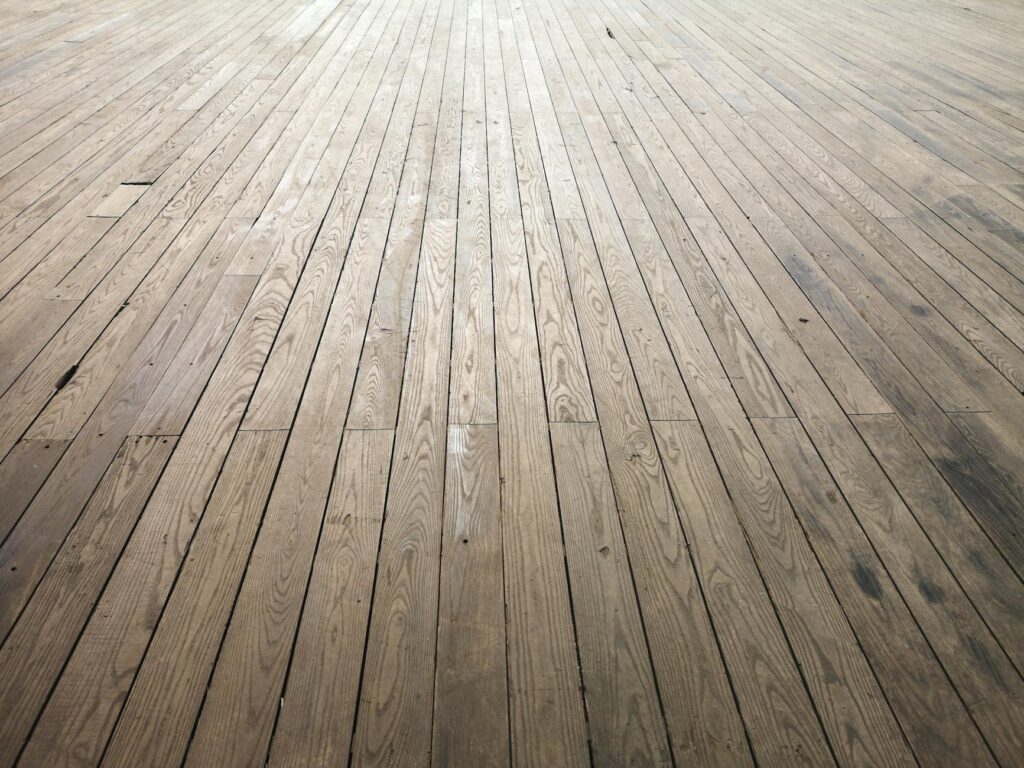
Hardwood Floor Refinishing vs Replacement Cost Guide
Refinishing hardwood floors typically costs $3-$10 per square foot, while full replacement runs $8-$15 per square foot. In most cases, refinishing is the more economical choice and can restore your floors to like-new condition, but replacement may be necessary if the wood is severely damaged or very thin.
Understanding Refinishing Costs
Refinishing your hardwood floors is a restoration process that sands away the existing finish and applies new stain and protective coatings. The average cost ranges from $3 to $10 per square foot, depending on several factors. Labor typically accounts for 60-70% of the total expense, with materials making up the remainder.
The refinishing process takes 3-5 days from start to finish, including sanding, staining, and applying protective finishes like polyurethane. For a 1,500 square foot home, you’re looking at a total cost between $4,500 and $15,000 for professional refinishing. The price varies based on the condition of your current floors—heavily worn or damaged areas require extra preparation work and may increase costs by 20-30%.
One major advantage of refinishing is that you can choose from virtually unlimited stain colors and finish types. Whether you want a matte, satin, or high-gloss finish, or a dramatic color change, refinishing gives you complete creative control. Additionally, multiple coats of finish provide excellent durability that can last 10-15 years before requiring another refinishing.
Full Replacement Expenses Explained
Complete hardwood floor replacement involves removing the existing flooring and installing new hardwood, which costs $8-$15 per square foot installed. For that same 1,500 square foot home, expect to spend $12,000 to $22,500 for new hardwood installation. This higher cost includes removal and disposal of old flooring, new wood materials, underlayment, and professional installation labor.
Replacement becomes necessary when floorboards are cupped, crowned, severely rotted, or too thin to sand. Once hardwood gets below 2-3mm thickness, refinishing won’t work—you’ll wear through to the plywood subfloor with normal foot traffic. Water damage that affects multiple boards or mold growth beneath the surface also warrants replacement rather than refinishing.
New hardwood installation takes 5-10 days, including subfloor preparation, installation, and finishing. You’ll also face 2-3 weeks of cure time before the floors are ready for normal use. Premium wood species and wider plank widths can push costs toward the higher end of the spectrum, while budget options like engineered hardwood or less expensive species help lower expenses.
Refinishing vs Replacement: Making Your Decision
Your choice between refinishing and replacement depends on three key factors: the condition of your wood, your budget, and your long-term plans. Start by assessing whether your boards are salvageable. If you can run a straightedge across the floor and see significant gaps underneath, or if you press on boards and feel movement, the subfloor or structure may be compromised—a sign replacement is necessary.
If your floors have surface-level damage like scratches, dents, and worn finishes but structurally sound wood, refinishing is almost always the better investment. You’ll save 30-50% compared to replacement costs and achieve excellent results. Refinishing also means less downtime and disruption to your home.
However, if you’re planning to stay in your home 20+ years and have multiple areas needing repair, sometimes replacement makes sense long-term. New floors come with warranties, require minimal maintenance initially, and give you the opportunity to upgrade to wider planks or different wood species. But for most homeowners looking at floors that simply need restoration, refinishing delivers superior value.
How to Calculate Your Project Costs
Determining whether refinishing or replacement makes financial sense requires accurate measurements and cost estimates. Start by calculating the square footage of each room that needs work, then apply the appropriate cost per square foot range for your area and wood quality. Our DIY Calculator helps you estimate total project expenses by inputting your square footage, chosen finish type, and labor rates in your region. This gives you a realistic budget baseline before contacting contractors.
Frequently Asked Questions
Can I refinish hardwood floors myself to save money?
While DIY refinishing is possible, it requires renting expensive equipment like drum sanders and edgers, and mistakes can be costly. Most homeowners spend $1,500-$3,000 on equipment and supplies, plus 40-80 hours of labor. Unless you have experience with floor finishing, professional results are hard to achieve—uneven sanding or staining can result in a blotchy appearance. Most experts recommend hiring professionals for this specialized job, especially on visible main floors.
How long do refinished floors last before needing work again?
Quality refinishing typically lasts 10-15 years in normal residential conditions. High-traffic commercial spaces may only get 7-10 years. The lifespan depends on foot traffic volume, maintenance practices, and humidity control. Keeping spills cleaned promptly, using area rugs in high-traffic zones, and maintaining consistent humidity levels (35-55%) extends the life of your finish significantly.
What if only some of my floors need refinishing?
If damage is localized to one or two rooms, refinishing just those areas is possible but tricky—matching stain and finish with existing floors is challenging. Most contractors recommend refinishing the entire connected space (or at minimum full rooms) to ensure color consistency. Spot repairs followed by full-home refinishing in 3-5 years might be the best compromise for partial damage in less critical areas.
- Hardwood Floor Refinishing Kit — DIY readers looking to refinish floors themselves would benefit from an affordable refinishing kit to save on labor costs mentioned in the guide
- Floor Sander Rental (Home Depot/Lowes Affiliate) — Essential equipment for DIY hardwood floor refinishing projects; readers can rent rather than buy to keep costs down as discussed in the cost analysis
- Wood Floor Stain and Finish Products — Complementary products needed for the refinishing process; helps readers complete their projects with quality finishing materials
If you do work for others professionally, general liability insurance protects you from property damage and injury claims. Hiscox makes it easy to get covered.
Get a Free Hiscox Quote →
Affiliate disclosure: We may earn a commission if you get a quote through this link, at no cost to you.
Related: Hardwood Floor Refinishing vs Replacement Cost
Related: Hardwood Floor Refinishing Cost vs Full Replacement: The Budget Breakdown