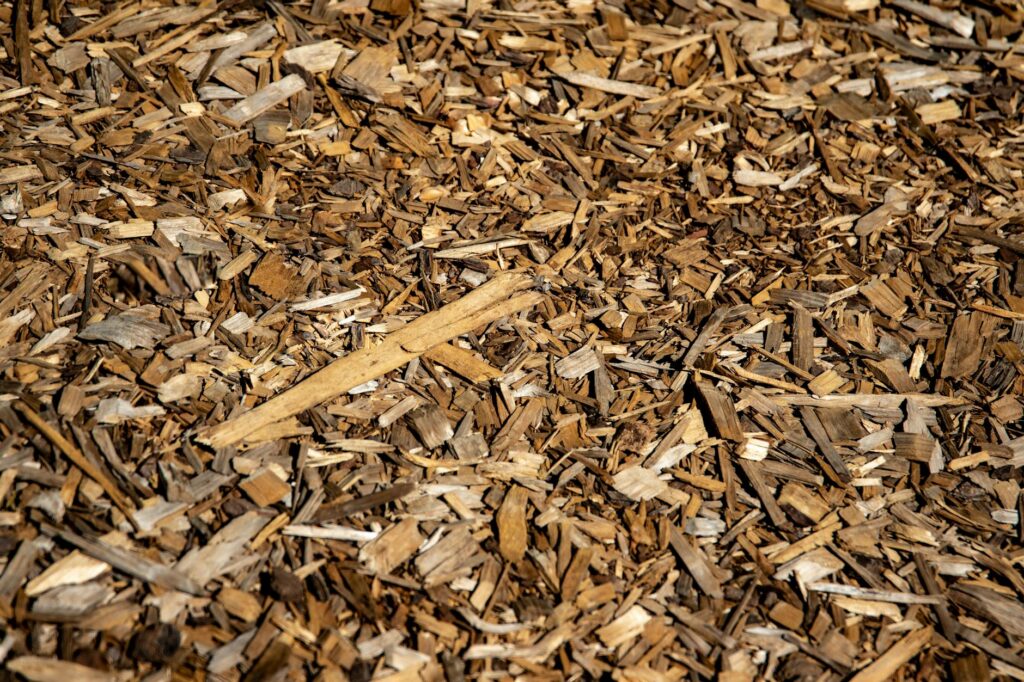
Whether you’re refreshing a flower bed, protecting tree roots, or creating a polished landscape design, calculating the right amount of mulch is essential to your project’s success. Too little mulch fails to provide adequate weed suppression and moisture retention, while too much can waste money and potentially harm your plants. A mulch calculator takes the guesswork out of this critical step, ensuring you order exactly what you need—no more, no less.
In this comprehensive guide, we’ll walk you through everything you need to know about calculating mulch for any landscaping project, from understanding mulch types and depth requirements to using a mulch calculator effectively.
What Is a Mulch Calculator and Why You Need One
A mulch calculator is a tool that determines how much mulch material you need based on the square footage of your landscaping area and your desired mulch depth. Instead of manually measuring and performing complex calculations, a mulch calculator automates the process, delivering accurate cubic yard or cubic meter quantities in seconds.
The importance of accurate mulch calculations cannot be overstated. Most homeowners either overestimate or underestimate their mulch needs, leading to unnecessary expenses or incomplete projects. When you use a mulch calculator, you gain precision that saves both time and money. Professional landscapers and DIY enthusiasts alike rely on these tools to streamline their project planning and ensure budget accuracy.
Without a calculator, you’d need to measure your garden beds, convert measurements, account for settling, and manually calculate cubic yards—a process prone to human error. A mulch calculator eliminates these steps entirely.
How to Measure Your Garden Beds for Mulch Calculation
Before you can use a mulch calculator, you need accurate measurements of the areas where you plan to apply mulch. Start by measuring the length and width of each garden bed in feet. For irregularly shaped beds, break them down into simpler geometric shapes—rectangles, circles, or triangles—measure each section separately, and add them together.
For rectangular beds, multiply length × width. For circular beds, use the formula: radius squared × 3.14 (pi). If you have a triangular section, multiply base × height, then divide by two. Record each measurement carefully, as even small errors compound into significant mulch miscalculations.
Don’t forget to account for slopes, hillsides, or uneven terrain. When mulching on a slope, you may need slightly more material due to settling and erosion. If you’re uncertain about any measurements, it’s better to round up slightly than to fall short.
Understanding Mulch Depth Requirements
Mulch depth is one of the most critical factors in your calculation. The recommended mulch depth varies depending on your goals and mulch type, but most landscapers recommend 2 to 4 inches of mulch for optimal results.
A 2-inch depth is ideal for annual flower beds and around herbaceous plants where you want mulch benefits without excessive volume. This depth provides weed suppression and moisture retention while allowing plants to breathe. A 3-inch depth is the gold standard for most residential landscaping projects, offering excellent weed control, insulation, and aesthetic appeal while remaining cost-effective. A 4-inch depth is recommended for high-traffic areas, heavy clay soils, or regions with intense sun exposure where extra moisture retention is crucial.
Avoid applying more than 4 inches of mulch, as this can create a mulch volcano around tree trunks, trap excessive moisture, and potentially promote fungal growth or pest problems. Always maintain a small clearance between mulch and plant stems or tree bark.
Mulch Types and Their Impact on Your Calculation
Different mulch materials come in various forms and densities, which can affect how your calculator delivers results. Common mulch types include wood chips, shredded bark, pine straw, rubber mulch, and decorative stone.
Wood chips are the most popular and cost-effective option, typically ranging from $20 to $50 per cubic yard, depending on your region and supplier. Shredded bark offers a finer appearance and costs slightly more, usually $25 to $60 per cubic yard. Pine straw is popular in Southern regions, costing between $40 and $80 per cubic yard. Rubber mulch, made from recycled tires, is more expensive at $50 to $100 per cubic yard but lasts significantly longer—up to 10 years compared to 2 to 3 years for wood-based mulches.
When using a mulch calculator, select the mulch type you plan to use, as different materials may have slightly different settling rates. The calculator will account for typical settling of wood-based mulches (usually 10 to 15 percent) to ensure you order enough material.
Using a Mulch Calculator: Step-by-Step Process
Using a mulch calculator is straightforward and requires only basic information. Start by gathering your measurements: total square footage of all garden beds you want to mulch. Then, decide on your desired mulch depth—2, 3, or 4 inches.
Enter these values into our free DIY calculator, which will instantly calculate the cubic yards needed. The calculator accounts for standard settling and compaction, so you’ll receive an accurate order quantity. Many calculators also provide cost estimates if you input your local mulch prices per cubic yard.
For example, if you have 500 square feet of garden beds and want 3 inches of mulch, a calculator would show you need approximately 4.6 cubic yards. At an average cost of $35 per cubic yard, your project would cost around $160 in materials. This instant breakdown helps you budget accurately and make informed decisions about your landscaping investment.
If you’re mulching multiple areas with different depths—such as 2 inches around delicate perennials and 4 inches in high-traffic zones—calculate each area separately, then add the totals for your complete order.
Money-Saving Tips for Mulching Projects
Once you have an accurate mulch calculation, you can implement strategies to maximize your budget. Buying mulch in bulk directly from landscaping suppliers is often 30 to 40 percent cheaper than purchasing pre-bagged mulch from big-box retailers. A cubic yard of bulk mulch covers approximately 100 square feet at 3 inches deep, making bulk purchases economical for most residential projects.
Consider purchasing slightly less expensive mulch varieties for large background areas and saving premium mulches for visible focal points. For example, use standard wood chips in back beds but apply shredded bark in your front landscape where appearance matters most.
Timing your mulch purchase strategically also saves money. Fall and early spring typically offer better pricing than summer, when demand peaks. Additionally, ordering mulch delivery at the beginning of the week often costs less than weekend delivery rates.
Frequently Asked Questions
How often do I need to replenish mulch?
Wood-based mulches typically last 2 to 3 years before breaking down and requiring replenishment. During the first year, you may notice settling and should add a top layer to maintain your desired depth. Rubber mulch lasts 8 to 10 years, making it economical for long-term installations despite higher initial costs.
Can I mix different mulch types in the same garden bed?
Yes, mixing mulch types is perfectly acceptable and often practical. Many homeowners use inexpensive wood chips as a base layer and add decorative mulch on top for visual appeal. Just ensure all mulch types provide similar benefits for your plants and have comparable settling rates.
What’s the difference between mulch calculator results in cubic yards versus cubic feet?
One cubic yard equals 27 cubic feet. Most calculators work in cubic yards because mulch is typically sold by the yard. If your calculator shows results in cubic feet, divide by 27 to convert to cubic yards for ordering purposes.
Should I calculate mulch for my vegetable garden?
Absolutely. Vegetable gardens benefit tremendously from 2 to 3 inches of mulch, which suppresses weeds, retains moisture, and regulates soil temperature. Use untreated wood chips, straw, or leaf mulch—avoid dyed mulches and those treated with chemical dyes in vegetable growing areas.
How do I adjust my mulch calculation for areas with existing mulch?
Measure your current mulch depth, then subtract it from your desired final depth. For example, if you have 1 inch of mulch and want 3 inches total, calculate for 2 inches of new mulch. This prevents over-application and saves money on refresh projects.
Conclusion
A mulch calculator transforms landscape planning from a frustrating guessing game into a precise, budgetable process. By accurately measuring your garden beds, selecting appropriate mulch depth, choosing the right mulch material, and using a reliable calculator, you ensure your landscaping project succeeds on time and within budget.
Whether you’re a first-time DIY landscaper or an experienced gardener, the principles remain consistent: accurate measurements plus proper depth equals successful mulching. With the right tools and information, you can transform your outdoor spaces while maintaining control over costs and material quantities.
Use Our Free DIY Calculator
Ready to take the guesswork out of your mulch project? Head to diycalculator.net and use our free mulch calculator today. Simply enter your square footage and desired mulch depth, and our calculator instantly delivers the cubic yards you need, complete with cost estimates based on current market prices. You’ll receive precise material quantities, accurate budget projections, and the confidence that comes with informed planning. Try our calculator now and start your landscaping project prepared.
- Landscape Fabric and Mulch Kit — Complements mulch calculations by providing the foundational layer needed before applying mulch; readers planning their landscaping project would benefit from bundled solutions
- Garden Mulch Wheelbarrow — Essential tool for transporting and spreading calculated amounts of mulch; practical for DIYers implementing their mulch project plans
- Digital Landscape Design Software (iScapes or similar) — Helps visualize mulch placement and landscaping layout before calculation; pairs well with the calculator tool for comprehensive project planning
Related: How to Use a Mulch Calculator to Plan Your Garden Landscaping Project
Related: Landscape Fabric Under Mulch: Coverage & Staple Calculator
Related: How to Calculate Fence Pickets for Any Yard Layout
Related: Mulch Calculator: How Much Mulch Do You Need?
Related: How to Use a Mulch Calculator to Save Time and Money on Your Next Landscaping Project
Related: How to Use a Mulch Calculator to Save Money on Landscaping