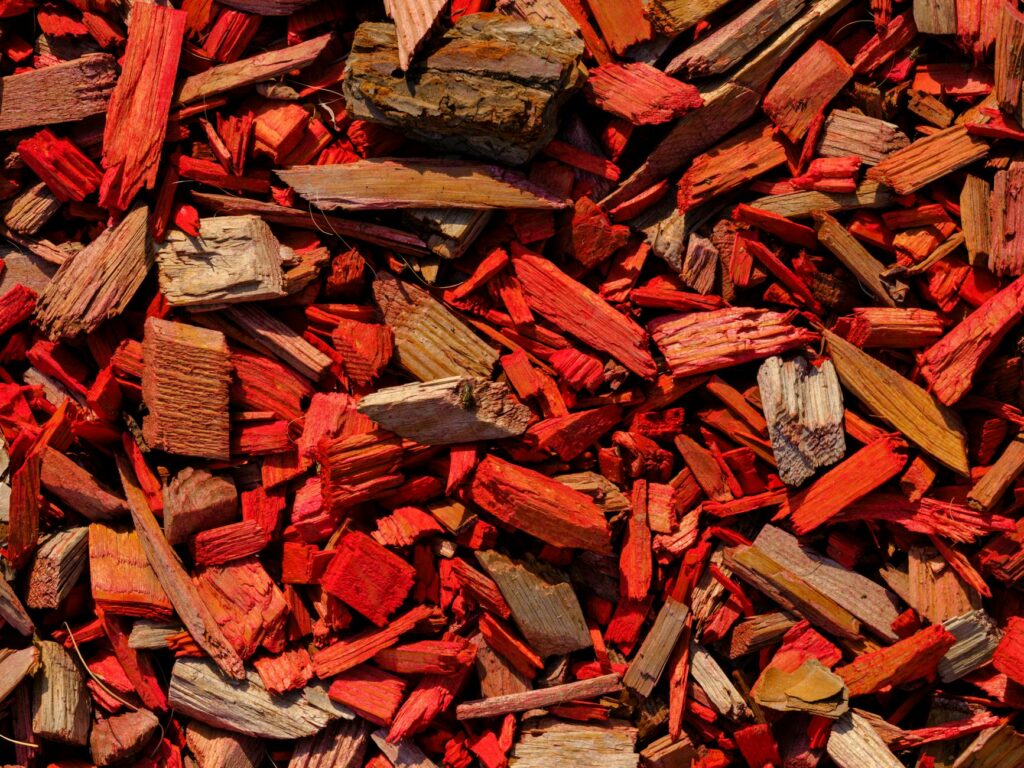
Planning a landscaping project without knowing how much mulch you need is like baking without measuring ingredients—you’ll likely end up with too much, too little, or an uneven finish. Whether you’re refreshing flower beds, protecting tree bases, or creating pathways in your garden, a mulch calculator takes the guesswork out of purchasing and helps you save money on materials.
This guide walks you through everything you need to know about calculating mulch requirements, understanding different mulch types, and using a mulch calculator to plan your next project efficiently.
What Is a Mulch Calculator and Why You Need One
A mulch calculator is a tool that determines how much mulch material you need based on three key measurements: the length and width of your garden beds, and your desired mulch depth. By inputting these dimensions, the calculator instantly provides the amount of mulch needed in cubic yards, cubic feet, or tons—eliminating manual math and reducing waste.
Without a calculator, most homeowners either overestimate (wasting money on excess mulch) or underestimate (resulting in thin, ineffective coverage that won’t suppress weeds or retain moisture). Studies show that proper mulch coverage at 2 to 4 inches deep can reduce watering needs by up to 50 percent while preventing up to 80 percent of weeds from taking root. A mulch calculator ensures you hit that optimal depth across your entire project.
The cost of mulch ranges from $25 to $60 per cubic yard depending on type and location, so accurately calculating your needs can easily save $100 to $500 on a single landscaping project.
How to Measure Your Garden Beds for Mulch Calculation
Before using any mulch calculator, you need accurate measurements. Here’s the step-by-step process:
Step 1: Measure Length and Width Use a measuring tape to record the length and width of each garden bed in feet. For irregularly shaped beds, divide them into rectangular sections, measure each section separately, and add the totals together. For example, an L-shaped bed could be split into two rectangles for easier calculation.
Step 2: Determine Your Desired Mulch Depth Most landscaping professionals recommend 2 to 4 inches of mulch depth. A 2-inch depth is ideal for annual beds and flower gardens, while 3 to 4 inches works better for perennials, shrubs, and tree bases where deeper coverage provides longer-lasting weed suppression. Keep mulch 3 to 6 inches away from tree trunks to prevent moisture buildup and pest damage.
Step 3: Account for Settling Mulch compacts over time, typically losing 10 to 15 percent of its volume within the first few months. Consider ordering slightly more mulch than your calculator recommends to account for this settling, or plan to top off your beds in late summer.
Pro tip: Take a photo of your landscape with a measuring tape visible, and reference it when using your mulch calculator to ensure accuracy.
Types of Mulch and Their Differences
While a mulch calculator measures volume, the type of mulch you choose affects cost, longevity, and appearance. Understanding these differences helps you make an informed purchasing decision.
Hardwood Mulch is the most common choice for residential landscaping. It breaks down slowly, lasting 2 to 3 years, and costs $30 to $50 per cubic yard. Hardwood mulch improves soil composition as it decomposes and works well in flower beds and around shrubs.
Softwood or Pine Mulch is more affordable at $20 to $35 per cubic yard but breaks down faster (1 to 2 years) and may lower soil pH as it decomposes. It’s ideal for acid-loving plants like azaleas and rhododendrons.
Cypress Mulch resists insects and rot better than other varieties, lasting 3 to 5 years, but costs $40 to $60 per cubic yard. It’s best reserved for special areas where insect resistance justifies the premium price.
Rubber Mulch is made from recycled tires and lasts 8 to 10 years, making it cost-effective long-term despite higher upfront costs of $50 to $100 per cubic yard. It’s popular for playgrounds and high-traffic areas but isn’t ideal for vegetable gardens.
Straw or Hay Mulch is inexpensive ($15 to $25 per cubic yard) but breaks down quickly (within one season) and can contain weed seeds. It works well for temporary coverage or annual vegetable gardens.
Using a Mulch Calculator: Step-by-Step Guide
Once you have your measurements, using a mulch calculator is straightforward:
Step 1: Input Your Dimensions Enter the length and width of your garden beds in feet. If you have multiple beds, calculate each one separately or add their total square footage.
Step 2: Select Your Desired Depth Choose 2, 3, or 4 inches (or specify a custom depth). Most calculators default to 3 inches, a balanced choice for most residential applications.
Step 3: Review the Output The calculator will display the required mulch in cubic yards and cubic feet. For example, a 10-by-20-foot bed at 3 inches deep requires approximately 1.85 cubic yards of mulch.
Step 4: Account for Settling and Waste Add 10 to 15 percent to your calculated total. If your calculator shows 10 cubic yards, ordering 11.5 cubic yards ensures adequate coverage.
Step 5: Calculate Estimated Costs Multiply your mulch volume by the local cost per cubic yard. A 10-cubic-yard order at $40 per yard costs $400 before delivery.
Money-Saving Tips for Mulch Projects
An accurate mulch calculator is your first step to savings, but these additional strategies maximize your budget:
Shop for the Best Price Contact 3 to 5 local landscape suppliers and ask for quotes based on your calculated volume. Prices vary by $10 to $15 per cubic yard between suppliers, which adds up quickly on large projects.
Order During Off-Season Mulch prices drop significantly from November through February when demand is low. If your project allows flexibility, waiting can save 20 to 30 percent.
Buy in Bulk Suppliers often offer discounts for orders over 10 cubic yards. Combining your project with neighbors’ landscaping work can qualify you for bulk pricing.
Use Compost Blends Compost-mulch blends cost slightly more but improve soil while suppressing weeds, potentially extending the time between mulching cycles from 2 years to 3 years.
Consider Delivery Fees While bulk orders reduce per-unit cost, delivery fees of $50 to $100 are often waived for orders over $300 to $400, so factor this into your budget comparison.
Frequently Asked Questions
How often should I replace mulch in my garden beds?
Most organic mulches (hardwood, softwood, cypress) break down and need replacement every 2 to 3 years. Rubber mulch lasts 8 to 10 years but doesn’t improve soil composition. A good practice is to add a 1 to 2-inch top-off layer annually to maintain optimal depth and coverage.
Can I use a mulch calculator for irregularly shaped beds?
Yes. Divide irregular shapes into rectangles or triangles, calculate each section separately using the mulch calculator, and add the results together. For circular beds, measure the diameter, calculate the radius squared, multiply by 3.14, and enter the total square footage into the calculator.
What’s the difference between mulch depth recommendations for different plants?
Annuals and shallow-rooted flowers need 2 inches of mulch, while perennials and shrubs benefit from 3 to 4 inches. Tree bases should have 3 to 4 inches, but keep mulch 6 inches away from the trunk. Always check specific plant requirements, as some species prefer shallower coverage.
Should I remove old mulch before calculating new mulch needs?
Not necessarily. If old mulch is still largely intact and evenly distributed, you can top it with an additional 1 to 2 inches of fresh mulch. However, if it’s heavily decomposed, compacted, or uneven, remove it completely and use your mulch calculator to determine fresh coverage based on your desired final depth.
How much does mulch cost per cubic yard, and does it vary by location?
Mulch costs $25 to $60 per cubic yard depending on type and location. Hardwood mulch averages $30 to $50 per yard in most regions, but prices are higher in areas with limited local suppliers and lower in regions with abundant mulch production. Always get local quotes rather than relying on national averages.
Use Our Free DIY Calculator
Stop second-guessing your mulch quantities and start planning with confidence. Head to our free DIY calculator on diycalculator.net, enter your garden bed dimensions and desired mulch depth, and instantly receive exact cubic yardage requirements along with estimated costs based on local pricing. Our calculator removes the complexity from landscaping math, delivering dollar amounts and material quantities in seconds so you can purchase the right amount of mulch, avoid overspending, and complete your project perfectly
- Mulch (Bulk Bag or Delivery) — Direct product readers will need after using the calculator to estimate their mulch requirements
- Garden Landscape Edging — Complementary product for preparing and defining garden beds before applying mulch
- Garden Soil Testing Kit — Helpful for gardeners preparing beds before mulching to understand soil composition and health
Related: How to Use a Mulch Calculator to Plan Your Garden Landscaping Project
Related: Garden Bed Construction: Raised Beds Cost Breakdown
Related: Raised vs In-Ground Garden Beds: Complete Cost Comparison
Related: How to Use a Mulch Calculator to Estimate Landscape Costs
Related: How to Use a Mulch Calculator: Complete Guide to Estimate Mulch Coverage and Cost