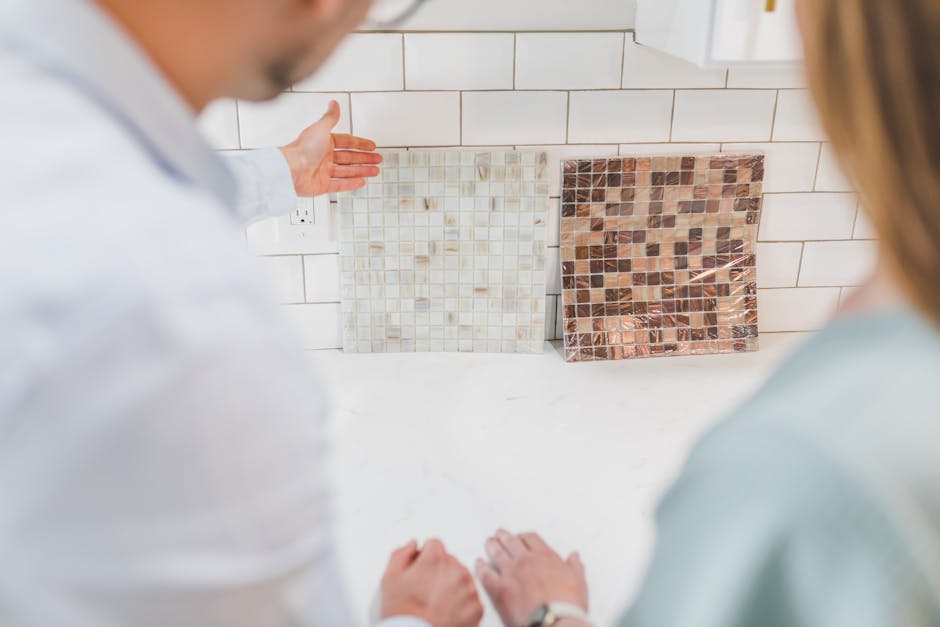
Subway and mosaic tiles offer distinct aesthetics and price points for kitchen backsplashes, with subway tiles typically running $5-15 per square foot installed, while mosaic patterns cost $10-25+ per square foot. The choice between these patterns significantly impacts both material costs and labor requirements, making it essential to understand the differences before budgeting your project.
Understanding Subway Tile Backsplashes
Subway tiles are rectangular tiles (typically 3×6 or 4×8 inches) laid in a staggered brick pattern that resembles classic subway station walls. This timeless design remains one of the most popular backsplash choices for both traditional and modern kitchens.
Cost breakdown for subway tiles:
- Material cost: $5-12 per square foot
- Installation labor: $10-20 per square foot
- Grout and adhesive: $2-5 per square foot
- Total installed cost: $17-37 per square foot
Subway tiles win on simplicity. The straightforward brick pattern installation requires fewer cuts and less skilled labor than complex designs. A standard 3×6 foot backsplash (typical above kitchen sinks) costs around $150-300 in materials and $300-600 in labor. Ceramic subway tiles cost less than glass or natural stone versions, while larger format tiles (like 4×8) reduce the number of grout lines and installation time.
The pattern’s predictability means fewer installation complications. Experienced installers can work quickly, reducing labor costs considerably. Plus, subway tiles come in endless color options from classic white to deep charcoal, giving you style flexibility without premium pricing.
Exploring Mosaic Tile Patterns
Mosaic backsplashes feature small tiles (often 1×1 inch to 2×2 inches) arranged in decorative patterns, creating visual interest and artistic flair. These patterns range from geometric designs to pictorial scenes, offering maximum customization for your kitchen design.
Cost breakdown for mosaic tiles:
- Material cost: $10-25 per square foot
- Installation labor: $15-35 per square foot
- Grout and adhesive: $3-8 per square foot
- Total installed cost: $28-68 per square foot
Mosaic tiles command higher prices due to their complexity and artistry. Pre-assembled mosaic sheets simplify installation compared to individual tile placement, but they still require precise cutting around outlets and edges. The intricate patterns demand more experienced installers, pushing labor costs higher than straightforward subway installations.
Material quality significantly impacts mosaic costs. Glass mosaics cost more than ceramic, while natural stone mosaics (marble, slate, granite) run even higher. However, mosaic tiles often come mounted on 12×12 inch mesh sheets, which actually speeds up installation compared to laying 100+ individual subway tiles.
The real expense comes from design complexity. Custom mosaic patterns require design consultation, custom tile cuts, and meticulous placement. Standard geometric patterns cost less than custom artwork or complex color combinations, so budget accordingly based on your design ambitions.
Key Installation Differences
Installation difficulty separates these two options more dramatically than material costs. Understanding these differences helps you determine realistic labor estimates and decide whether to hire professionals or tackle DIY installation.
Subway tile installation advantages:
- Minimal cutting required (mostly straight edges)
- Simple, repetitive pattern speeds work
- Fewer grout lines to manage
- Beginner-friendly for DIY installation
- Quick installation reduces labor costs
Mosaic tile installation challenges:
- Numerous small tiles require careful placement
- Complex cuts around outlets and edges
- More grout lines demand skill and patience
- Professional installation strongly recommended
- Higher labor costs due to complexity
Substrate preparation affects both equally. Both tile types require a flat, clean surface (typically cement board over drywall) sealed properly to prevent water damage. This foundational work costs the same regardless of tile choice, typically $2-5 per square foot.
Grout selection impacts both aesthetics and longevity. Subway tiles traditionally use contrasting white grout, while mosaic patterns often benefit from grout colors that complement the tile design. Epoxy grout costs more than traditional cement grout but offers superior stain resistance and durability.
How to Use the Calculator
Don’t guess at material quantities or labor estimates. Use our backsplash tile calculator to input your specific kitchen dimensions, tile choice, and pattern selection. The calculator instantly determines the number of tiles needed, accounts for waste and breakage, and provides accurate material cost estimates based on current pricing in your region. Simply enter your backsplash length and height, select subway or mosaic pattern, and choose your tile material to get a complete project breakdown.
Frequently Asked Questions
Can I install subway or mosaic tiles myself?
Subway tiles are definitely DIY-friendly if you have basic tile experience. The simple pattern and fewer cuts make this a great beginner project. Mosaic tiles require more precision and are better left to professionals unless you’re experienced with tile work. The numerous small tiles and complex patterns demand meticulous placement that’s challenging without professional training.
Which backsplash style is more durable?
Both subway and mosaic tiles are equally durable when properly installed with appropriate grout and sealant. Durability depends more on installation quality and grout type than on tile pattern. Epoxy grout lasts longer than cement grout regardless of which pattern you choose. Proper sealing and maintenance keep both styles looking great for 20+ years.
How much does a typical kitchen backsplash cost?
A standard 30-square-foot backsplash (above stove and sink) costs $500-1,100 with subway tiles or $850-2,000 with mosaic tiles, including materials and installation. This assumes ceramic subway tiles or standard mosaic patterns. Upgrading to glass, stone, or custom designs increases costs significantly. Your actual price depends on tile material quality, local labor rates, and pattern complexity.
Related: backsplash tile cost comparison
Related: concrete slab vs gravel shed foundation costs
- Subway Tile Backsplash Starter Kit — Directly matches the post’s focus on subway tile installation, providing DIY-friendly starter kits with adhesive and grout for homeowners planning backsplash projects
- Mosaic Tile Selection & Installation Tools — Addresses the mosaic tile option discussed in the post, offering specialized tools and materials needed for more complex mosaic pattern installation
- Tile Spacers & Grout Float Set — Essential tools for both subway and mosaic tile backsplash installation, helping DIYers achieve professional results and understand the labor-intensive aspects mentioned in the cost analysis
Related: Ceramic Tile Installation Costs