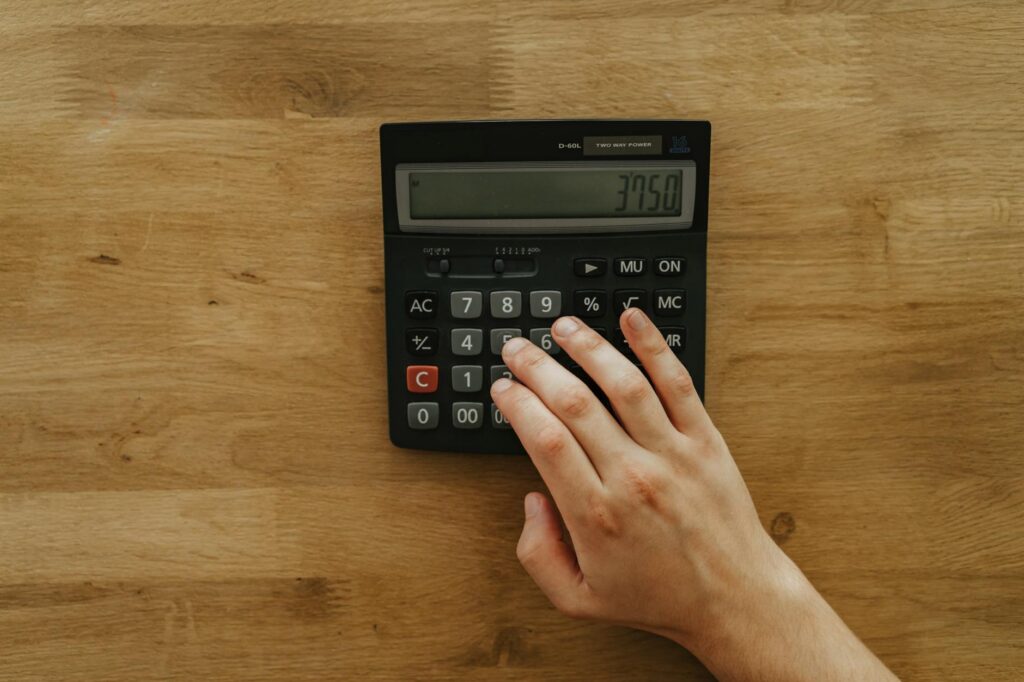
Home improvement projects can be overwhelming without proper planning. Whether you’re renovating a bathroom, installing new flooring, or building a deck, accurate cost estimation and material calculations are essential to stay on budget and avoid costly mistakes. A DIY calculator simplifies this process by automating complex measurements and cost projections, allowing homeowners to plan with confidence. This guide explains what a DIY calculator is, how to use one effectively, and why it’s an indispensable tool for any home improvement enthusiast.
What Is a DIY Calculator and Why You Need One
A DIY calculator is a digital tool designed to help homeowners estimate project costs, calculate material quantities, and determine labor time for various home improvement tasks. Unlike basic arithmetic calculators, DIY calculators are specifically built for construction and renovation work, incorporating formulas for complex measurements like square footage, material waste percentages, and regional price variations.
The average homeowner spends between $3,000 and $15,000 annually on home improvements, according to recent surveys. Without proper calculation tools, it’s easy to miscalculate material quantities, leading to either insufficient supplies (requiring expensive rush orders) or excessive waste (eating into your budget unnecessarily). A DIY calculator helps you avoid these costly errors by providing instant, accurate estimates based on your project specifications.
These tools are invaluable for DIYers of all skill levels. Whether you’re a first-time renovator tackling your kitchen or an experienced handyperson working on multiple projects simultaneously, our free DIY calculator provides the precision needed to make informed decisions about materials, budgets, and timelines.
Common Home Projects That Benefit from DIY Calculators
Different home improvement projects require different calculation approaches. Understanding which projects benefit most from calculator assistance helps you allocate your planning time effectively.
Flooring Projects: Whether installing laminate, hardwood, tile, or vinyl, flooring projects require precise square footage calculations. A DIY calculator factors in standard room dimensions, accounts for waste (typically 10-15% extra), and can compare costs between different material types. For example, a 200-square-foot room with hardwood flooring at $8 per square foot costs roughly $1,600-$1,840 when accounting for waste and installation considerations.
Painting and Drywall: These projects demand accurate surface area calculations. A DIY calculator determines how many gallons of paint you need based on wall dimensions, ceiling height, and coat requirements. Most interior paint covers approximately 350-400 square feet per gallon, so misjudging your room size wastes money quickly.
Deck and Patio Construction: Building outdoor structures involves lumber calculations, hardware estimation, and labor hour projections. A good DIY calculator considers post spacing, deck dimensions, material costs, and necessary fasteners—preventing expensive trips back to the hardware store.
Kitchen and Bathroom Renovations: These complex projects involve multiple material types including cabinetry, countertops, tile, fixtures, and labor estimates. A comprehensive DIY calculator breaks down costs by category, making it easier to identify where money is going and find potential savings.
How to Use a DIY Calculator Effectively
Using a DIY calculator properly ensures you get the most accurate estimates possible. Here’s a step-by-step approach to maximize this valuable tool.
Step 1: Measure Accurately Start by measuring your project area in feet and inches. Use a quality measuring tape and double-check measurements, as even small errors compound in material calculations. For rooms, measure length, width, and height; for outdoor projects, account for slope and elevation changes.
Step 2: Select Your Project Type Choose the specific category matching your work—whether it’s flooring, painting, roofing, or framing. Each category uses different formulas and considers project-specific variables.
Step 3: Input Material Preferences Most DIY calculators let you select specific materials. For flooring, choose between hardwood, laminate, tile, or vinyl. For painting, select interior or exterior paint and finish type. These choices affect both the quantity needed and the cost estimates provided.
Step 4: Review Regional Price Adjustments Material costs vary significantly by region. Enter your ZIP code or state so the calculator adjusts price estimates to match your local market. A gallon of paint might cost $35 in rural areas but $45+ in major metropolitan markets.
Step 5: Add Waste Percentages Most calculators automatically include waste factors (10-15% for flooring, 5-10% for paint), but you can adjust these based on your experience level. First-time DIYers should use higher waste percentages to account for learning curves and potential mistakes.
Step 6: Review and Compare Scenarios Run calculations for different material options to see how choices affect your bottom line. Comparing carpet at $4 per square foot versus tile at $8 per square foot might reveal cost-saving opportunities you hadn’t considered.
Key Features to Look for in Quality DIY Calculators
Not all DIY calculators are created equal. High-quality tools share certain essential features that improve accuracy and usability.
Multi-Project Support: The best calculators handle diverse project types. Look for tools offering flooring, painting, decking, roofing, framing, and renovation estimate capabilities rather than single-purpose calculators.
Material Cost Database: Updated pricing information for lumber, paint, tile, flooring, and other common materials ensures estimates reflect current market conditions. Outdated pricing leads to unrealistic budgets.
Waste Factor Adjustment: Calculators that let you customize waste percentages accommodate different skill levels and material types. Ceramic tile installation requires 15-20% waste, while vinyl flooring needs only 5-10%.
Material Comparison Tools: Side-by-side cost comparisons help you make informed material selections. See exactly how much you’ll save choosing laminate over hardwood before commitment.
Labor Hour Estimation: Knowing how many hours a project takes helps you plan your schedule and budget for professional help if needed. Most painting jobs average 4-8 hours per room, while deck building ranges from 40-80 hours depending on size and complexity.
Common DIY Calculator Mistakes and How to Avoid Them
Even with a quality calculator, mistakes happen. Understanding common pitfalls helps you generate reliable estimates.
Underestimating Measurements: Always round up when measuring. A room measuring 10 feet 6 inches should be calculated as 11 feet to ensure sufficient materials. Rounding down results in multiple trips to the store.
Ignoring Existing Conditions: If you’re replacing old materials, factor in removal and disposal costs. These hidden expenses add 10-20% to many renovation budgets but are easily overlooked.
Forgetting Hidden Materials: A painting project requires primer, caulk, drop cloths, painter’s tape, and brushes—not just paint. Quality calculators include these ancillary materials; basic ones don’t.
Neglecting Seasonal Price Variations: Material prices fluctuate seasonally. Lumber peaks in spring, while flooring often goes on sale in winter. Timing your project wisely can save 15-25% on material costs.
Frequently Asked Questions
How accurate are DIY calculator estimates?
Quality DIY calculators typically provide estimates within 5-10% of actual costs when you input accurate measurements and current local pricing. Accuracy depends on measurement precision, material selection accuracy, and regional price data freshness. Always use these estimates as guidelines rather than absolutes, leaving a small contingency budget for unexpected expenses.
Can I use a DIY calculator for professional contractors?
Yes, many professional contractors use DIY calculators as a starting point for estimates, particularly for straightforward projects. However, professionals typically adjust estimates based on site-specific conditions, existing damage, and their specific labor rates. Contractors may mark up material costs and add profit margins that basic calculators don’t include.
What if my project doesn’t fit standard calculator categories?
Most DIY calculators allow manual adjustments to standard formulas or custom calculations for unique projects. You can typically input custom measurements, material prices, and quantities to generate estimates for specialized work. If your calculator lacks this flexibility, consider using multiple calculators or consulting with a contractor for unusual projects.
Should I add a contingency budget beyond calculator estimates?
Yes, experienced DIYers recommend adding 10-20% contingency to calculator estimates for unexpected issues. Old homes often contain hidden problems like structural damage, outdated wiring, or asbestos that aren’t apparent until work begins. Having extra funds prevents project delays and reduces stress when surprises arise.
How often should I update calculator data for accurate pricing?
Material prices change quarterly, with seasonal variations affecting many products. Check calculator pricing data every 3-6 months if you plan multiple projects. Before starting any project, verify that pricing data is current by comparing quoted estimates against recent prices from your local hardware stores.
Conclusion
A DIY calculator transforms home improvement planning from guesswork into precision work. By accurately estimating material quantities, calculating project costs, and projecting timelines, these tools empower homeowners to make confident decisions and stay within budget. Whether you’re renovating a single room or tackling a complete home makeover, proper calculation prevents costly mistakes and ensures project success.
The key is selecting a quality calculator that matches your project complexity and provides features supporting your specific needs. With accurate measurements, current pricing data, and thoughtful planning, DIY calculators deliver estimates you can rely on throughout your project journey.
Use Our Free DIY Calculator
Ready to start planning your next home improvement project with confidence? Head to diycalculator.net today and access
- Stanley 25ft Tape Measure — Essential measurement tool for DIY home improvement projects to get accurate dimensions for calculator inputs
- Homewyse Home Improvement Estimator — Complements DIY calculators by providing real-time cost data and material estimates for various home improvement projects
- Digital Laser Measure (60ft range) — Modern alternative to tape measures for precise measurements needed for accurate project calculations and material planning
If you do work for others professionally, general liability insurance protects you from property damage and injury claims. Hiscox makes it easy to get covered.
Get a Free Hiscox Quote →
Affiliate disclosure: We may earn a commission if you get a quote through this link, at no cost to you.
Related: DIY Calculator: The Complete Guide to Estimating Your Home Improvement Projects
Related: The Complete Guide to DIY Calculators: Plan Your Home Projects Accurately
Related: DIY Calculator: Your Complete Guide to Smart Home Project Planning
Related: DIY Calculator: The Ultimate Guide to Home Improvement Estimation Tools
Related: DIY Calculator: The Complete Guide to Making Your Home Improvement Projects Budget-Friendly
Related: DIY Calculator Guide: How to Choose and Use the Right Tools for Your Home Projects
Related: The Ultimate Guide to Using a DIY Calculator for Smarter Home Improvement in 2026