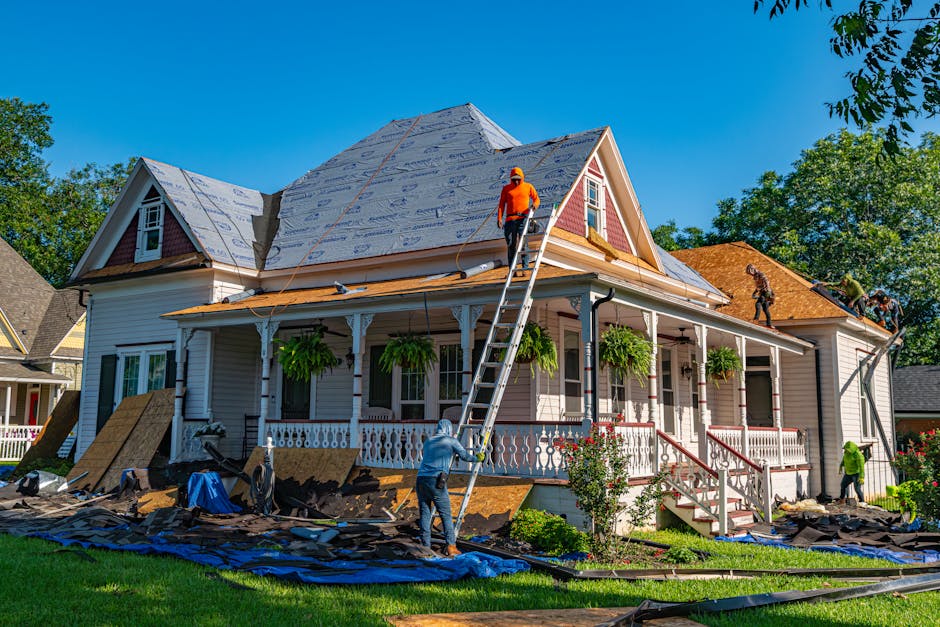
Vinyl siding costs $3-10 per square foot installed, fiber cement ranges $6-15, and wood siding runs $8-20 per square foot. Total project costs vary based on home size, labor rates, and regional pricing. Use our calculator to estimate your specific siding replacement budget.
Vinyl Siding Replacement Costs
Vinyl siding remains the most budget-friendly option for homeowners looking to replace their exterior cladding. At $3-10 per square foot installed, vinyl offers exceptional value without sacrificing curb appeal or durability. A typical 2,000 square foot home would cost between $6,000 and $20,000 for a complete vinyl siding replacement, depending on labor rates in your region and whether you choose standard or premium profiles.
The affordability of vinyl siding stems from its manufacturing process and installation simplicity. Unlike premium materials, vinyl doesn’t require specialized tools or extensive training for installers, keeping labor costs reasonable. Most vinyl products come with 20-30 year warranties, and modern formulations resist fading and cracking better than earlier generations.
However, vinyl does have limitations. It can warp in extreme heat and becomes brittle in freezing temperatures. Some homeowners also prefer the authentic appearance of natural materials, even if they cost more upfront.
Fiber Cement Siding Costs
Fiber cement represents the middle ground in siding replacement pricing, with costs ranging from $6-15 per square foot installed. This engineered material combines wood fiber, Portland cement, and silica to create a durable exterior that mimics the look of wood without the maintenance requirements.
For a 2,000 square foot home, expect to budget $12,000 to $30,000 for fiber cement installation. The higher cost reflects several advantages: superior durability (25-40 year lifespan), excellent fire resistance, and low maintenance needs. Fiber cement won’t rot, warp, or attract insects like wood siding does.
Installation costs for fiber cement run higher than vinyl because the material requires specialized cutting equipment and trained installers. The weight of fiber cement boards also demands more structural support during installation. Regional labor availability significantly impacts your final price—areas with fewer certified installers charge premium rates.
Many homeowners find fiber cement strikes the ideal balance between affordability and performance, particularly in climates with temperature fluctuations or high humidity.
Wood Siding Replacement Costs
Authentic wood siding provides unmatched aesthetic appeal but demands the highest investment, ranging from $8-20 per square foot installed. Premium wood species and custom profiles push costs toward the upper end of this range.
A complete wood siding replacement on a 2,000 square foot home typically costs $16,000 to $40,000. This price reflects both material expenses and labor intensity. Wood requires precise installation to ensure proper drainage and prevent moisture damage. Many professional installers recommend hiring experienced craftspeople familiar with wood-specific challenges.
The real cost of wood siding extends beyond installation. Unlike vinyl or fiber cement, wood demands regular maintenance—painting or staining every 5-10 years, occasional repairs from weather damage, and protection against rot and insects. These ongoing expenses often exceed the initial replacement cost over a material’s 20-30 year lifespan.
That said, wood siding elevates home aesthetics and can increase property value in certain markets where authentic materials are highly valued.
Cost Comparison Summary
The following table breaks down material costs, installation labor, and total project pricing for each siding type across different home sizes:
| Siding Material | Cost per Sq Ft | 1,500 Sq Ft Home | 2,000 Sq Ft Home | Lifespan |
|---|---|---|---|---|
| Vinyl Siding | $3-10 | $4,500-15,000 | $6,000-20,000 | 20-30 years |
| Fiber Cement | $6-15 | $9,000-22,500 | $12,000-30,000 | 25-40 years |
| Wood Siding | $8-20 | $12,000-30,000 | $16,000-40,000 | 20-30 years* |
*Wood siding lifespan varies significantly based on maintenance. Properly maintained wood can last 40+ years; neglected wood may fail within 15 years.
Use Our Siding Replacement Calculator
Stop guessing about your siding replacement budget. Our roofing and exterior calculator helps you estimate total project costs by entering your home’s square footage, selected material, and local labor rates.
The calculator accounts for regional price variations—labor costs in urban markets often exceed rural areas by 30-40%. You’ll receive a customized estimate that reflects your specific situation rather than generic price ranges.
Factors Affecting Installation Costs
What is the cheapest siding replacement option?
Vinyl siding consistently offers the lowest installation costs at $3-10 per square foot. Budget vinyl profiles cost even less than premium options with decorative details. If you’re replacing siding purely for budget reasons and have 20-30 years before needing replacement again, vinyl delivers excellent value. Standard white vinyl typically costs 20-30% less than colored or textured vinyl profiles.
How much does it cost to replace siding on a 2000 square foot house?
A 2,000 square foot home runs $6,000-20,000 for vinyl, $12,000-30,000 for fiber cement, or $16,000-40,000 for wood siding. These figures include material and professional installation. Your actual cost depends on current local labor rates, material selection (standard vs. premium), removal of old siding, and any structural repairs needed before installation.
Regional Labor Rate Impact
Labor costs vary dramatically by geography. California, New York, and Massachusetts typically charge $50-80 per hour for siding installation, while southern and rural states average $25-40 per hour. A job taking 200 hours costs $5,000-16,000 in labor alone, illustrating why location dramatically affects your total budget.
How to Save on Siding Replacement
1. Get Multiple Quotes: Contact at least three local contractors and compare detailed estimates. Prices often vary 20-40% between installers even in the same area.
2. Plan Strategically: Schedule replacement during off-season (fall/winter in many regions) when contractors offer discounts due to lower demand.
3. Choose Practical Colors: Standard colors cost significantly less than custom or rare colors. White, gray, and beige vinyl siding often costs 15-25% less than specialty colors.
4. Remove Old Siding Yourself: Some homeowners reduce costs by removing old siding before contractors arrive, saving 10-15% on labor. Check local building codes first—some municipalities have specific removal requirements.
- Vinyl Siding Installation Tools Kit — DIY homeowners planning siding replacement need proper tools for measurement, cutting, and installation to potentially save on labor costs
- Exterior Caulk and Sealant Bundle — Essential finishing material for vinyl siding projects to ensure weatherproofing and longevity of the installation
- Tape Measure and Level Set (Professional Grade) — Critical measurement tools for accurately calculating square footage and ensuring proper siding alignment during replacement projects
Related: 7 Ways to Compare Siding Replacement Costs in 2026: Vinyl vs Fiber Cement vs Wood
Related: Vinyl Siding Replacement Costs