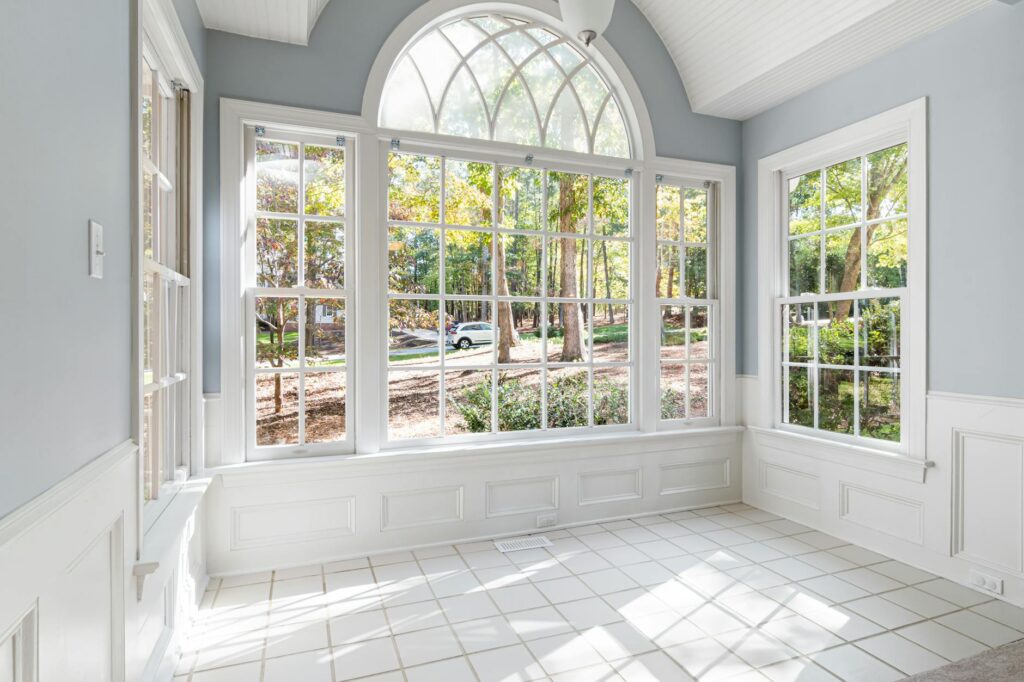
When I refinanced my student loans and discovered how much interest I could save, I realized something: the same smart financial thinking applies to home improvements. Understanding window replacement costs before you commit is crucial, and choosing between single and double hung windows can save you thousands. Let’s break down what you actually need to know about pricing these two popular window styles.
Understanding Single Hung vs Double Hung Windows
Single hung windows have one sash that operates—typically the bottom one slides up and down—while the top sash remains fixed. Double hung windows have both the top and bottom sashes that move independently, giving you more control over ventilation and cleaning. This fundamental difference impacts everything from initial cost to long-term maintenance.
Single hung windows are generally less expensive upfront because they have fewer moving parts and simpler mechanisms. However, double hung windows offer better energy efficiency, easier cleaning, and more flexibility for air circulation. Most homeowners find the extra $100-300 per window worth the investment, especially if they’re replacing multiple windows across the house.
The material matters too. Vinyl windows cost less than wood or fiberglass, but wood offers superior aesthetics and insulation properties. Fiberglass sits in the middle—durable and energy-efficient without the maintenance burden of wood. Your climate and home style should influence this decision just as much as your budget.
Cost Breakdown for Each Window Type
Single hung window replacement typically costs $200-$400 per window installed, though this varies based on size, material, and your location. Materials run $100-250, with installation labor adding another $100-200. If you’re replacing ten windows, you’re looking at $2,000-4,000 total. Entry-level vinyl single hung windows sit at the lower end, while premium wood or fiberglass options push toward the higher range.
Double hung windows run $300-$600 per window installed. The increased complexity and additional operating mechanisms justify the higher price. Materials cost $150-350, with installation adding $150-250. For that same ten-window project, expect $3,000-6,000. The price difference seems significant until you realize the energy savings often offset it within 5-7 years.
Several factors drive these costs up or down. Large windows cost more than standard 2×3 or 3×4 sizes. Specialty shapes like arches or circles increase complexity significantly. Energy-efficient coatings, improved insulation ratings, and safety features all add cost. Your location matters—rural areas might have higher labor costs due to travel, while competitive urban markets may offer better pricing.
Here’s something I learned when tackling my own home projects: getting three quotes is non-negotiable. You’ll often find 20-30% price variations between contractors, even in the same area. This is one of those decisions where shopping around genuinely pays off.
Comparing Total Project Costs
Let’s talk realistic scenarios. A typical home might need 8-12 windows replaced. A single hung replacement project costs $1,600-4,800, while double hung runs $2,400-7,200. That $800-2,400 difference seems substantial initially, but consider the variables.
Energy efficiency improvements matter more in extreme climates. If you live somewhere with harsh winters or scorching summers, double hung windows with high-efficiency ratings will reduce your heating and cooling costs. You might recover that extra $800-2,400 through lower energy bills within 5-10 years, making it essentially free money saved.
Resale value is another consideration. Homes with updated, attractive windows sell faster and command higher prices. Double hung windows, being more visually prominent and functionally superior, often appeal more to buyers. This isn’t just about functionality—it’s about perceived value and curb appeal.
Don’t forget the secondary costs. Some jobs require framing repair, exterior caulking, and paint touch-ups. Budget an additional $50-150 per window for these contingencies. Proper installation prevents water damage and air leaks that could cost thousands down the road.
How to Use the Calculator
Rather than guessing at costs, use our home improvement calculator to get specific estimates based on your window dimensions, material choices, and local labor rates. Input your window count, choose between single and double hung, select your material preference, and let the calculator generate accurate cost projections for your project.
The calculator accounts for economies of scale—buying ten windows costs less per window than buying two. It also adjusts for regional labor variations, so you get realistic numbers for your specific area. This takes the guesswork out of budgeting and helps you decide whether to go with the more economical single hung or invest in double hung quality.
Frequently Asked Questions
How much can I save choosing single hung windows over double hung?
On a typical 10-window project, single hung windows save you approximately $1,000-2,400 compared to double hung. The savings scale with project size—smaller projects see less savings in absolute dollars, but the percentage difference remains consistent. However, factor in energy savings and potential resale value improvements when making your decision. Sometimes spending more upfront saves money long-term.
Do single hung windows have worse energy efficiency?
Single hung windows can be just as energy efficient as double hung windows if they have the same insulation ratings, coatings, and frame materials. The efficiency difference comes from the products themselves, not the operating style. A high-efficiency single hung window outperforms a basic double hung window. Look at U-factor and Solar Heat Gain Coefficient ratings rather than assuming single hung is inherently inferior.
Is it cheaper to replace windows myself?
DIY window replacement saves installation labor—typically $100-250 per window—but introduces significant risk. Improper installation creates drafts, water infiltration, and structural issues costing far more to fix. Unless you have genuine carpentry experience, professional installation is worth every penny. The warranty protection alone justifies the expense, since most manufacturers void coverage for DIY installation mistakes.
- Window Replacement Cost Estimator Tool — Directly supports the post’s focus on understanding and calculating window replacement costs before committing to a project
- Double Hung Window Installation Kit — Complements the post’s comparison between single and double hung windows by providing a practical product option for readers considering the upgrade
- Home Improvement ROI Tracking Spreadsheet/Software — Aligns with the post’s theme of smart financial planning for home improvements, helping readers track their window replacement investment