Whether you’re a seasoned gardener or tackling your first landscaping project, figuring out how much mulch you need is one of the most common questions homeowners face. Buying too little means multiple trips to the garden center; buying too much leaves you with piles of unused mulch taking up space. That’s where a mulch calculator becomes invaluable. This comprehensive guide walks you through everything you need to know about calculating mulch requirements, understanding mulch types, and budgeting your landscaping project accurately.
What Is a Mulch Calculator and Why You Need One
A mulch calculator is a simple but powerful tool that computes the exact amount of mulch needed to cover a specific landscaping area. By inputting your garden bed’s length, width, and desired mulch depth, the calculator instantly tells you how many cubic yards, cubic feet, or bags of mulch to purchase. This eliminates guesswork and helps you avoid costly mistakes.
Most landscaping experts recommend a mulch depth between 2 and 4 inches for optimal results. Mulch at 2 inches provides basic weed suppression and moisture retention, while 3 to 4 inches offers superior weed control and insulation for plant roots. A proper mulch calculator accounts for these standard depths, making it easy to compare costs across different mulch types and suppliers.
Using a mulch calculator saves time, money, and frustration. Instead of manually measuring, converting units, and doing math, you get an instant answer you can trust. Professional landscapers rely on these calculations daily, and now homeowners can access the same tools.
How to Measure Your Garden Beds Accurately
Before any calculator can help you, you need accurate measurements of your garden beds. Start by measuring the length and width of each bed in feet. For rectangular beds, this is straightforward—use a measuring tape and record both dimensions. For irregularly shaped beds, break them into smaller sections (rectangles, triangles, or circles) and measure each part separately.
For circular or oval beds, measure the diameter or radius and note that the calculator will need this information. Some beds have curved edges, so measuring the average width across the bed typically works best. Don’t estimate; even small measurement errors multiply when calculating large surface areas.
Once you have your dimensions, decide on mulch depth. Standard recommendations are 2 inches for annual touch-ups over existing mulch, 3 inches for new beds, and 4 inches for heavy weed-prone areas. Write down your preferred depth before entering data into the calculator.
Understanding Mulch Types and Their Costs
Different mulch types vary significantly in price, appearance, and longevity. Understanding these options helps you make informed decisions when your calculator shows you cost estimates.
Bark mulch is the most popular and affordable option, ranging from $25 to $50 per cubic yard depending on whether it’s shredded bark, bark chips, or aged bark. Bark mulch typically lasts 1 to 2 years before breaking down and requiring replacement. It provides excellent moisture retention and a natural appearance.
Wood chips cost between $15 and $35 per cubic yard and break down faster than bark mulch. They’re ideal for paths and around trees but may contain twigs and uneven pieces. As they decompose, they enrich soil with organic matter.
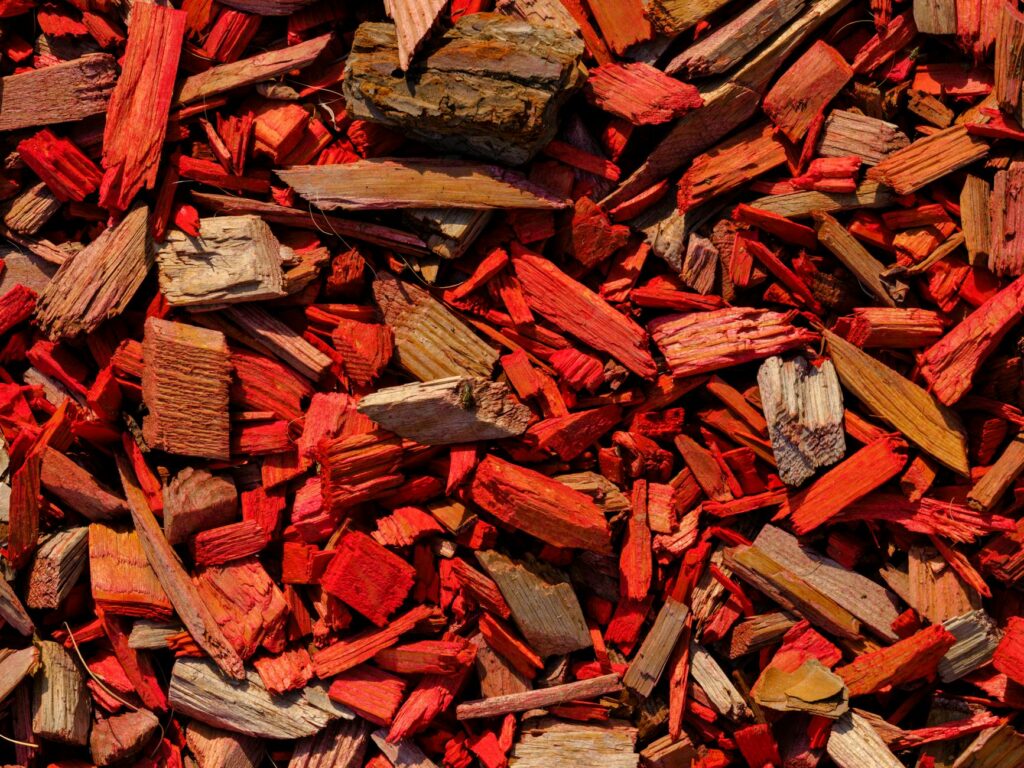
Colored mulch (dyed red, brown, or black) costs $35 to $60 per cubic yard and lasts longer—often 2 to 3 years. The dyes are typically made from recycled wood, making colored mulch an eco-friendly option for those wanting landscape curb appeal.
Rubber mulch ranges from $40 to $80 per cubic yard and lasts 8 to 10 years, making it cost-effective long-term despite higher upfront expenses. It’s excellent for playgrounds and areas where traditional mulch would compact heavily, though some gardeners prefer natural alternatives.
Straw or hay mulch costs only $10 to $25 per cubic yard but breaks down within one growing season, requiring annual reapplication. It’s best for vegetable gardens and temporary weed suppression.
Step-by-Step Calculation Example
Let’s walk through a practical example using a real mulch calculator. Suppose you have two garden beds: one rectangular bed measuring 10 feet long by 4 feet wide, and one circular bed with a diameter of 6 feet. You want a 3-inch mulch depth throughout.
For the rectangular bed: 10 feet × 4 feet = 40 square feet. For the circular bed: using the radius of 3 feet, the area is approximately 28 square feet. Total coverage area: 68 square feet.
A mulch calculator converts 68 square feet at 3 inches depth into cubic yards. The formula divides square footage by 108 (the number of square feet in one cubic yard at 1 inch depth), then multiplies by your desired depth in inches. For this example: (68 ÷ 108) × 3 = 1.89 cubic yards.
If you’re purchasing mulch in bags (typically 2 or 3 cubic feet per bag), you’d need roughly 35 bags of 2-cubic-foot bags. At an average price of $4 per bag, your total material cost would be approximately $140. A mulch calculator provides all these conversions instantly.
Money-Saving Tips When Buying Mulch
Once your calculator tells you exactly how much mulch you need, implement these strategies to minimize costs.
Buy in bulk when possible. Purchasing mulch by the cubic yard is almost always cheaper than buying bags, especially if you need more than 10 bags. Many landscaping suppliers offer delivery for a flat fee, which becomes economical for larger quantities.
Shop multiple suppliers. Garden centers, landscaping companies, and home improvement stores often have different pricing. Call ahead and ask for quotes based on your mulch calculator results—include the specific mulch type you want since prices vary by product.
Consider purchasing mulch at off-season times. Late fall or early winter often brings lower prices as demand drops. You can apply mulch year-round, so timing your purchase strategically stretches your budget.
Use less mulch initially if budget is tight. Applying 2 inches instead of 3 inches reduces costs by one-third while still providing decent weed suppression. You can always add more next season.
Frequently Asked Questions
How often should I replace mulch in my garden beds?
Most organic mulches like bark and wood chips break down within 1 to 2 years, requiring annual or biennial replacement. Inspect your mulch each spring; if you can see soil beneath in many spots or the mulch has compressed significantly, it’s time to add more. Colored mulch lasts longer (2 to 3 years), while rubber mulch can last 8 to 10 years before replacement.
Can I use a mulch calculator for unusual bed shapes?
Yes, by breaking irregular shapes into standard geometric sections. Divide the bed into rectangles, triangles, circles, or trapezoids, calculate each section separately using the mulch calculator, then add the results together. This method works for L-shaped beds, curved borders, and complex garden layouts.
What mulch depth is best for weed prevention?
A 3 to 4 inch depth provides the best weed suppression, blocking light from reaching weed seeds and making it difficult for seedlings to push through. Two inches offers minimal weed control, while anything deeper than 4 inches can retain too much moisture and create conditions favoring root rot. Adjust your mulch calculator settings to 3 inches for a good balance.
Is it cheaper to buy mulch in bags or bulk?
Bulk mulch is almost always cheaper per cubic yard than bagged mulch. However, if you need fewer than 10 bags worth (roughly 0.75 cubic yards), bagged mulch may be more convenient despite higher per-unit costs. A mulch calculator helps you determine which purchasing method makes sense for your project size.
How does mulch calculator accuracy affect my budget?
Precise measurements lead to accurate calculations and realistic budgets. Being off by 10 percent on a small bed means minor overspending, but underestimating a large landscaping project by 10 percent could mean purchasing another cubic yard ($30 to $50) in a second trip. Using our free DIY calculator with careful measurements ensures budget accuracy.
Conclusion
A mulch calculator transforms landscaping planning from guesswork into precision. By accurately measuring your garden beds, selecting appropriate mulch depth, and understanding mulch type pricing, you can confidently budget your project and purchase exactly what you need—nothing more, nothing less.
Whether you’re mulching a single small bed or refreshing an entire yard, the combination of accurate measurements and a reliable calculator removes uncertainty. You’ll save money, avoid multiple shopping trips, and achieve professional-looking results.
Use Our Free DIY Calculator
Stop wondering and start calculating. Head to diycalculator.net and try our free mulch calculator today. Enter your garden bed dimensions and desired mulch depth to instantly see your exact coverage requirements in cubic yards and bags, complete with cost estimates based on current mulch prices. Know exactly what to buy before you leave home—our calculator delivers dollar amounts and shopping lists in seconds. Start your project with confidence using the same tool professional landscapers trust.
- Landscape Fabric and Mulch Tools Set — Complements mulch calculator usage by providing the physical tools needed to apply mulch after determining coverage amounts
- Bulk Mulch and Wood Chips (Local Delivery) — Direct product that users will purchase after using the calculator to determine their mulch needs and coverage
- Garden Measuring Wheel and Landscape Measuring Tools — Helps users accurately measure their garden beds and landscaping areas before using the mulch calculator for precise calculations
If you do work for others professionally, general liability insurance protects you from property damage and injury claims. Hiscox makes it easy to get covered.
Get a Free Hiscox Quote →
Affiliate disclosure: We may earn a commission if you get a quote through this link, at no cost to you.
Related: Mulch Calculator: How to Calculate Mulch Needed for Your Landscaping Project
Related: Mulch Calculator: The Complete Guide to Calculating Mulch Coverage and Costs
Related: Mulch Calculator: Calculate Mulch Needed for Your Garden & Landscaping
Related: How to Use a Mulch Calculator: The Complete Guide to Calculating Mulch Coverage and Cost
Related: How to Use a Mulch Calculator: Complete Guide for DIY Landscaping Projects